Compacted earth wall Nance House
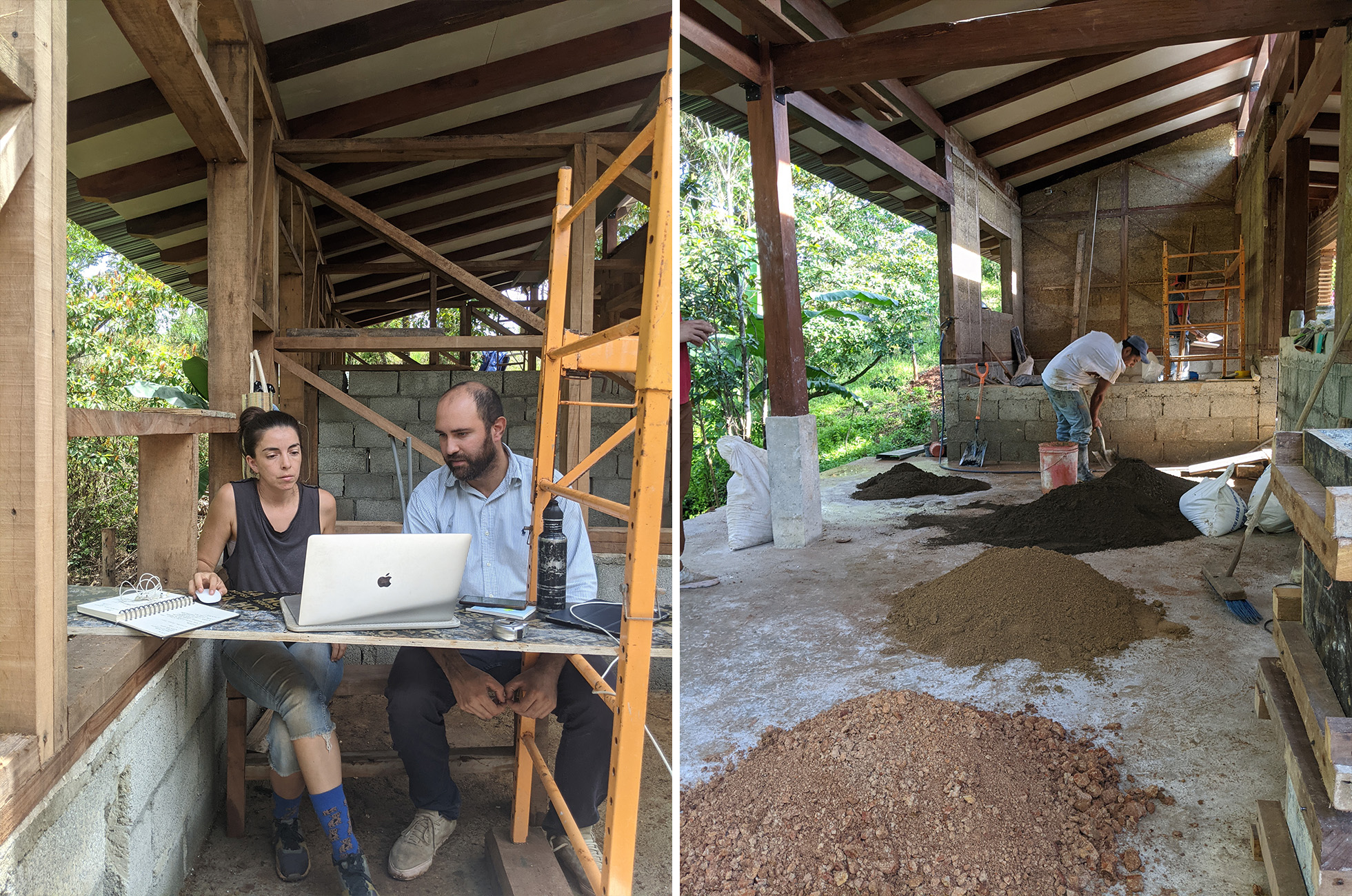
Since I traveled to Mexico six years ago to participate in the workshop with the Mexican studio Taller AF, I dreamed of this construction system. I was hopeful, arriving in Panama I did some tests with what I learned but the truth is that I would not have dared to offer it or venture with a wall if it had not been for the arrival of my friend Andoni Iriberri. Thank you for being and being there! These construction systems are a lot of trial and error, so my recommendation is to always have an ally, consulting or advice from a professional, as it will save you a lot of time and materials.
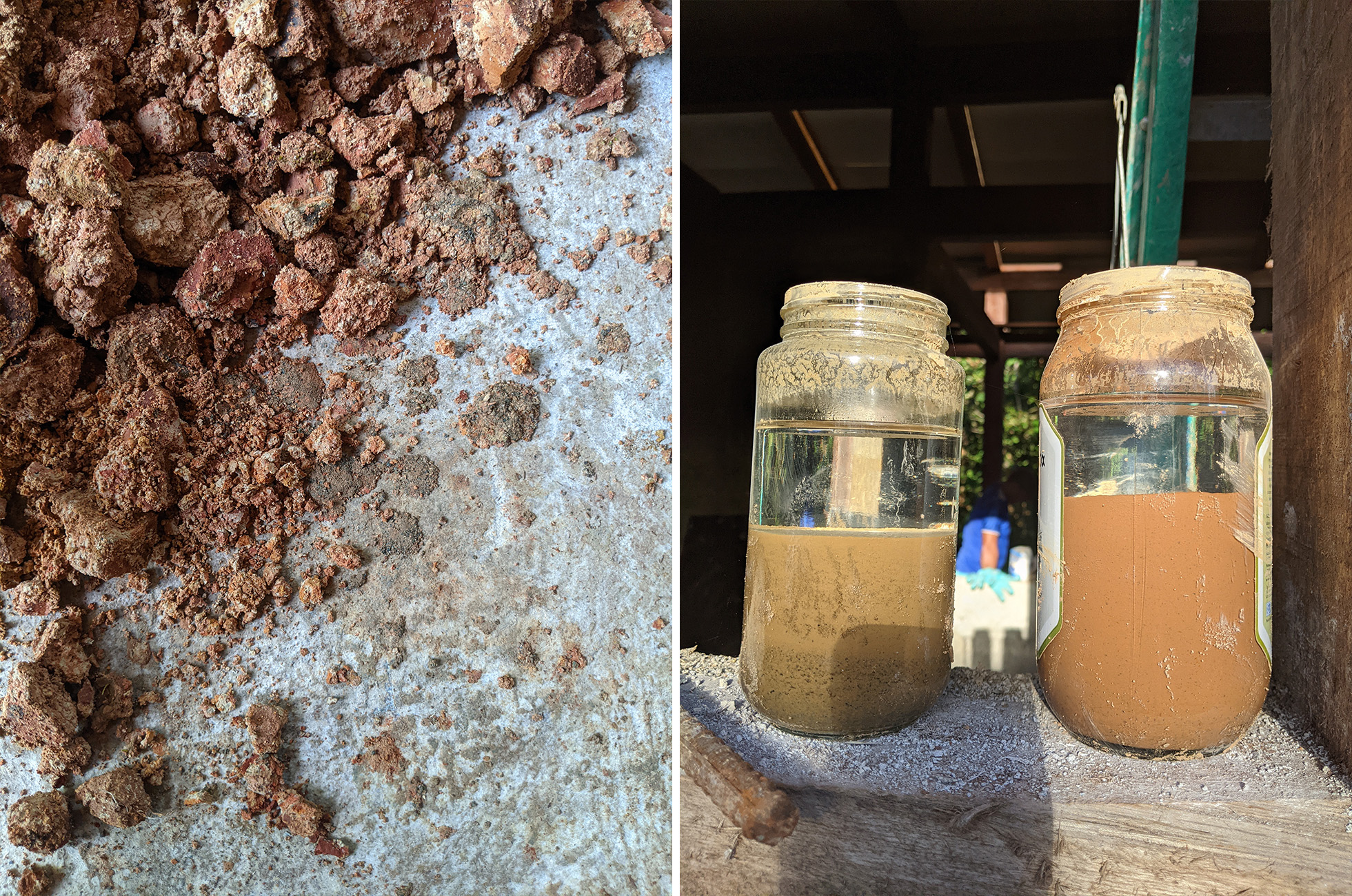
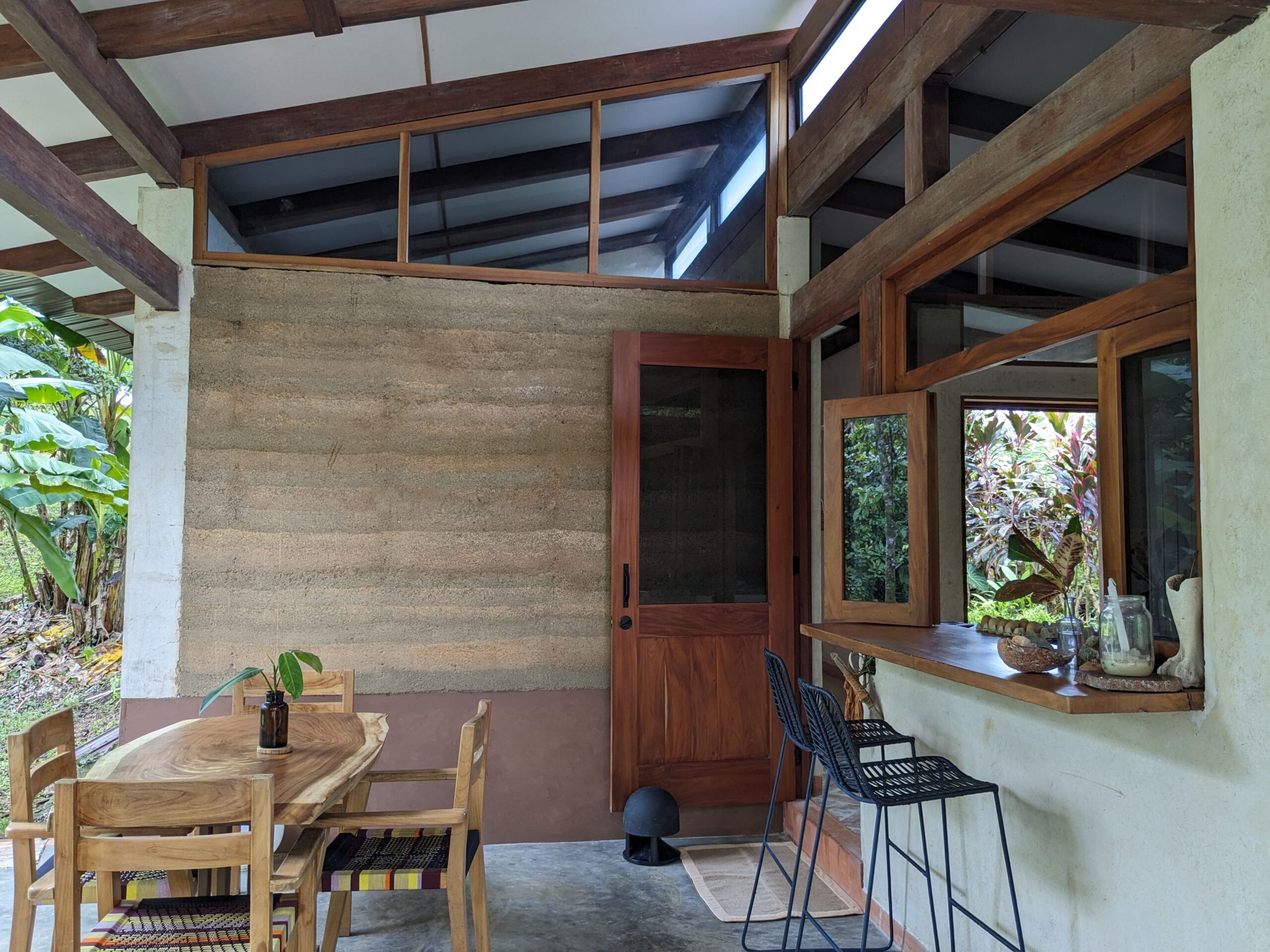
Casa Nance is my house and was a guinea pig for this system, it was built in 2021. To start telling you about this project, I will share with you about the compacted earth wall it has. It is a decorative element, which shares one of the rooms and the terrace / living room. So that it can be appreciated every day. I do not know if it is the first wall of this construction system in Panama but it may be, and I am sure it will not be the last. Being the first, of course it was very slow, we did a lot of tests with different proportions of materials and clays. Also the formwork, assembly and tamping was a learning curve for the local master builders.
Historical review
Rammed earth has been used in construction for thousands of years, with evidence of its use dating back to the Neolithic period. Commonly used-especially in China-the technique was applied in both ancient monuments and vernacular architecture, including the Great Wall. Although interest in rammed earth declined during the 20th century, some continue to push its use today, highlighting its sustainability compared to more modern construction methods. In particular, rammed earth structures use local materials, so they have low embodied carbon and produce little waste.
Platform architecture - Lilly Cao
How to do it
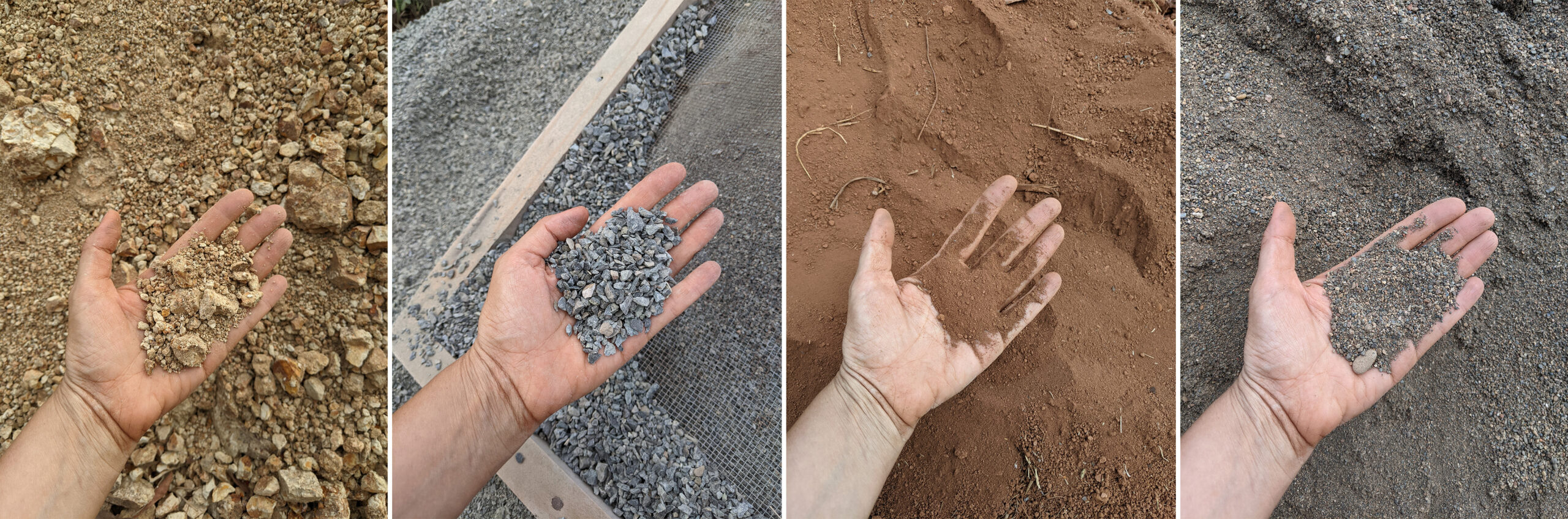
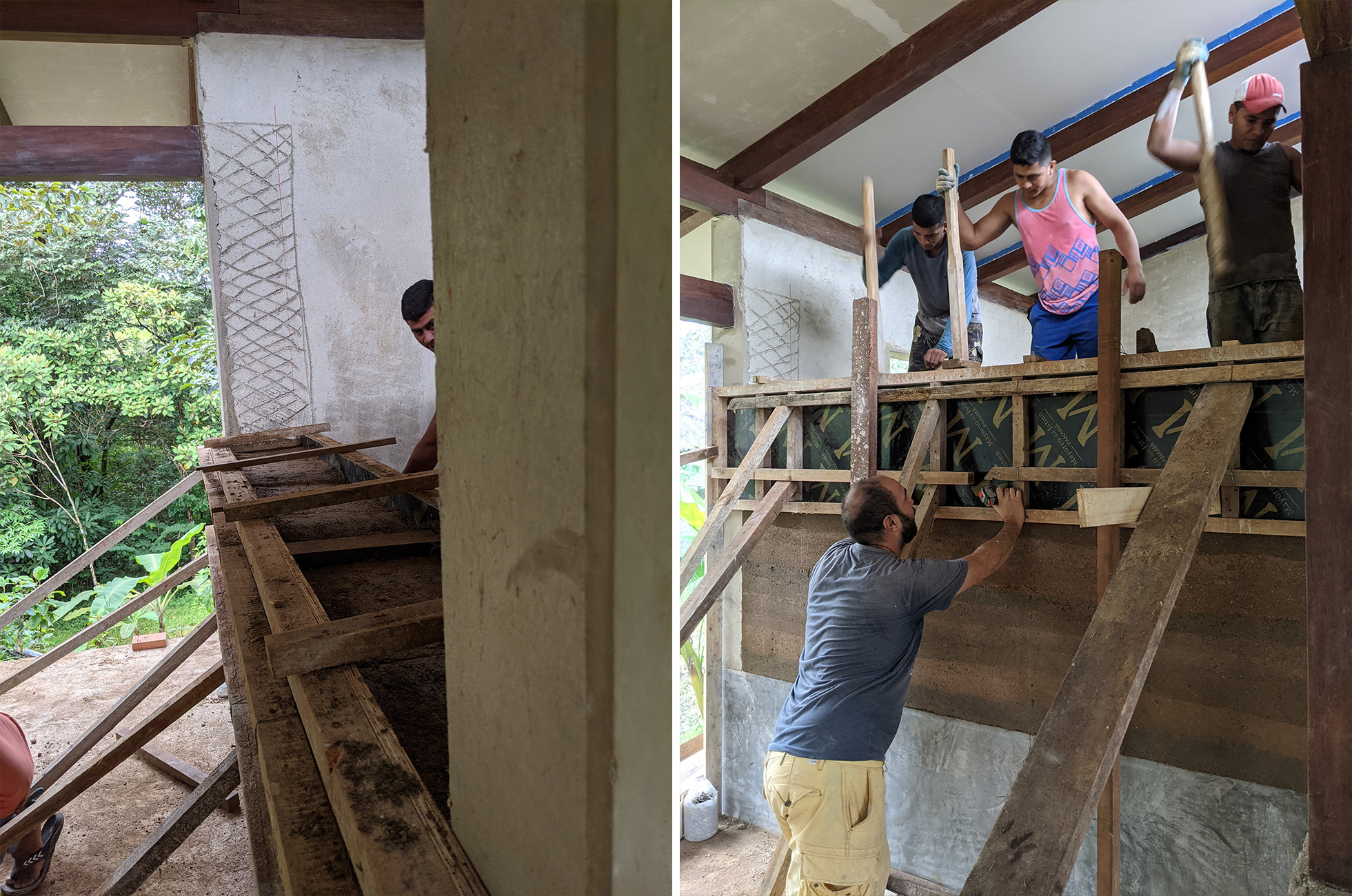
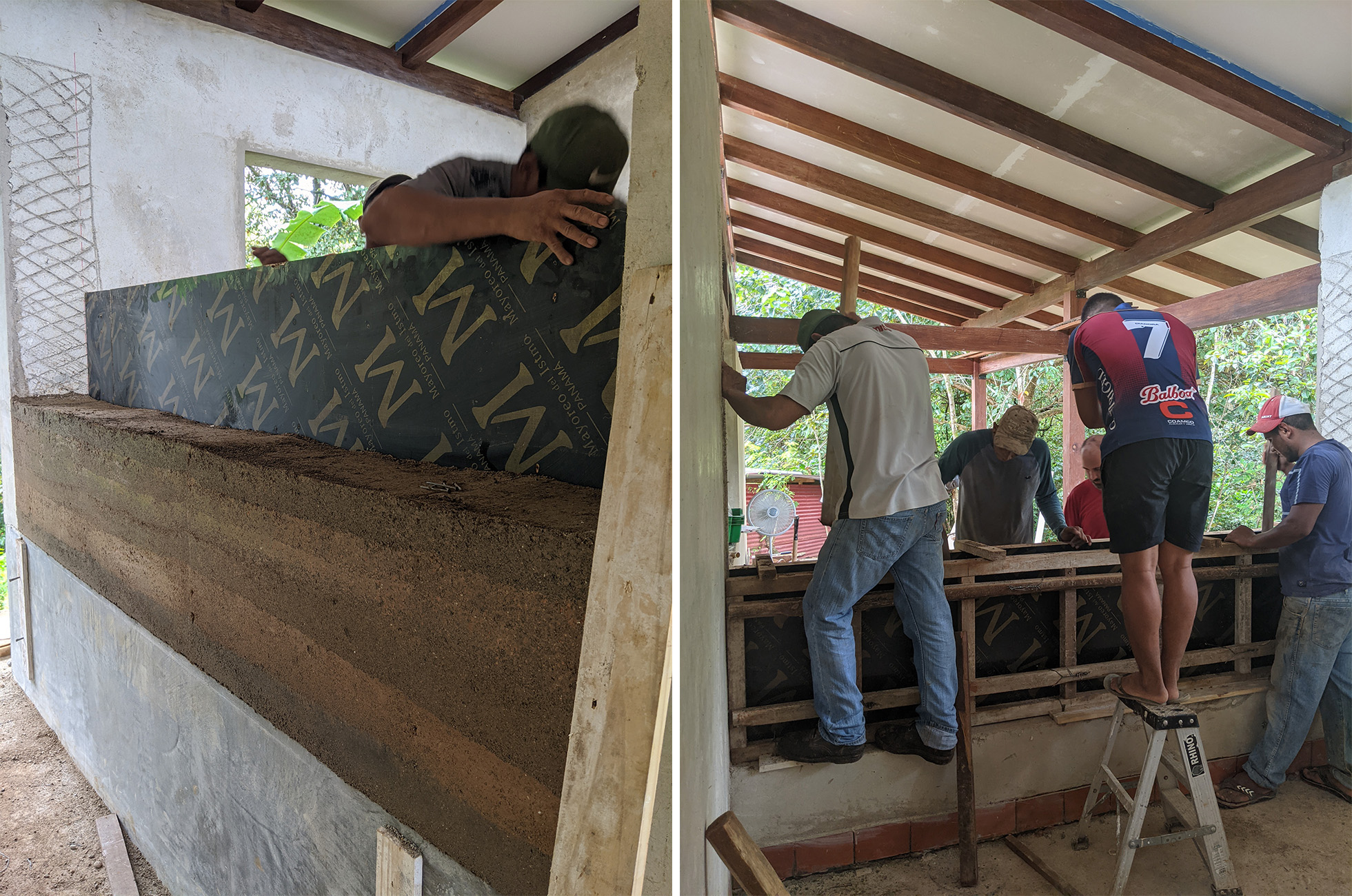
The compacted or rammed earth wall is made with a formwork of two well braced parallel panels that is raised as it is rammed. The backfill consists of sand, gravel, clay and some stabilizer, we use a little lime and cement in a very low percentage. The mixture has a little water in it for wetting but it is relatively “dry”. After adding the mixture at a certain height, it is compacted by tamping with wooden rammers (we can also use a pneumatic tamper) and compacted to about 50% of the initial height. Then you go on layer by layer until you reach the desired wall height, re-using the formwork as you go up.
Benefits of compacted soil
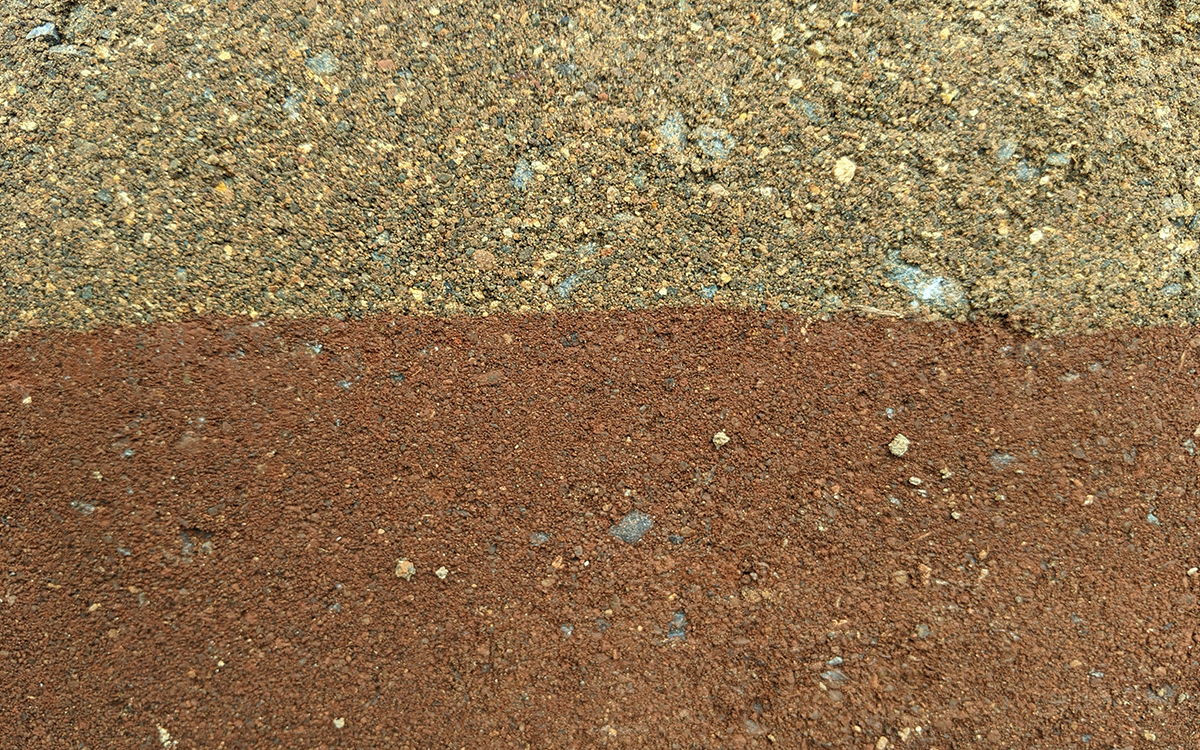
Some of the benefits of this construction system is its appearance. It is beautiful to see the layers of earth and you can use different colored clays and even make shapes to give it an original look. The materials for this wall can be sourced locally (although you always have to test). If someday you demolish that construction, the earth from the wall can be reused. It has high structural capacity, is very durable and resistant to humidity (but not to rain, these walls should be protected under roofs and eaves).
It gives me great enthusiasm to encourage these practices to local Panamanian masters. So that local architecture can move towards more sustainable practices and the creation of new trades that promote creativity and new technologies. By using renewable materials found locally, it opens the doors of bioconstruction to all, generating a very nice virtuous circle. Encouraging the planting of timber and bamboo, protecting our resources, sharing knowledge and of course living in much cooler, beautiful and environmentally friendly homes.
We will continue to experiment around these parts and share knowledge, in search of continuous improvements, with purposes that move away from the “economic” and towards the collaborative, regenerative and holistic.