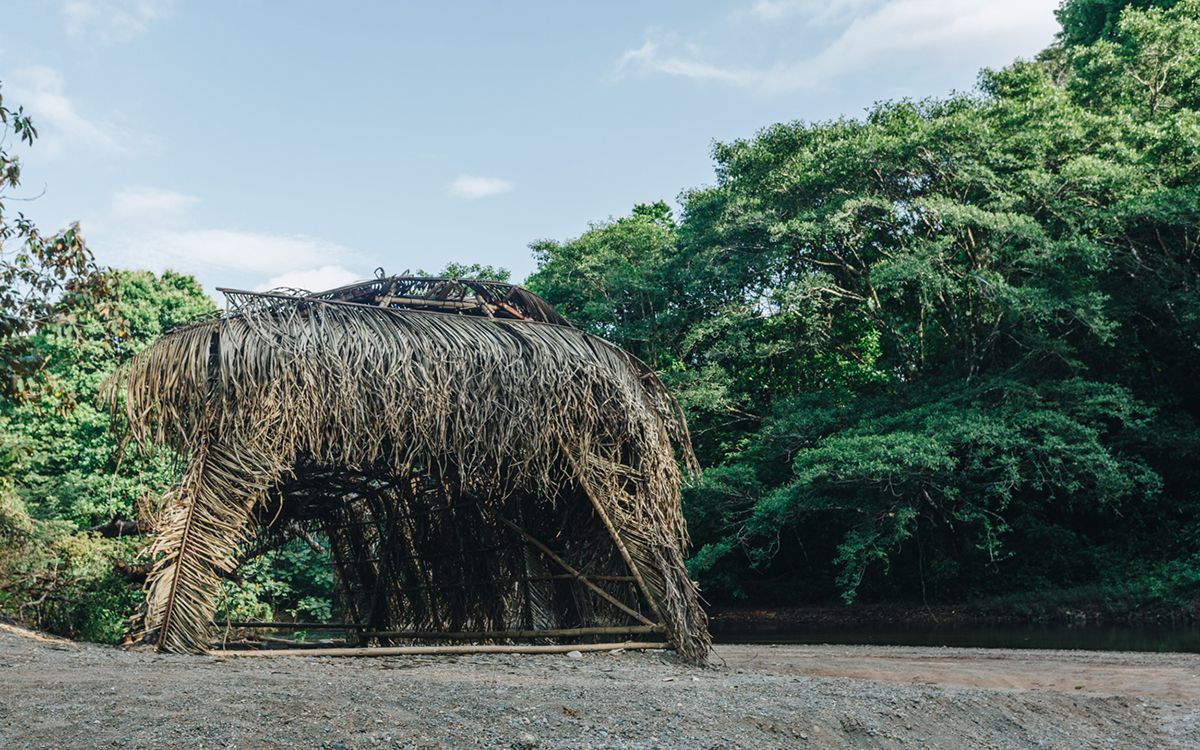
In January 2020, we were pleased to support a practical bamboo workshop in Torio, Panama.
The idea started when we met Henry Glenn in Punta Mona, Costa Rica. Sitting down to talk with him about bamboo was fascinating and it coincided that Torio was very curious and wanted to use this material and that he wanted to come and meet Panam. Between conversations, we decided it would be an excellent idea to do the workshop. He came to visit us in October 2019 to try some of the bamboos we had in Torio. When he came, he realized that we had very little bamboo and told me very confused, why do you want to do a workshop where there is no bamboo?
Don't get me wrong, there is plenty of bamboo in our region, it's just not the kind of bamboo we build with. We learned that there are hundreds of species of bamboo and that each one has its specific uses. Our region is characterized by a lot of Bambusa Vulgaris, or Hawaiian Golden. It is a very large bamboo, yellow with a green stripe, which is used mostly for temporary structures, furniture and handicrafts.
For a moment we were discouraged, but then we decided to do the workshop anyway. Henry has many years of experience in Costa Rica sharing knowledge, and promoting bamboo culture. Bamboo is super versatile. From making tea, and using it as utensils, to building your entire house. So expanding knowledge in an area where little is used or known about the material was a very good idea. This way, when we start propagating and planting this marvel, we will do it in a good way. Taking into account what we learned in the workshop.
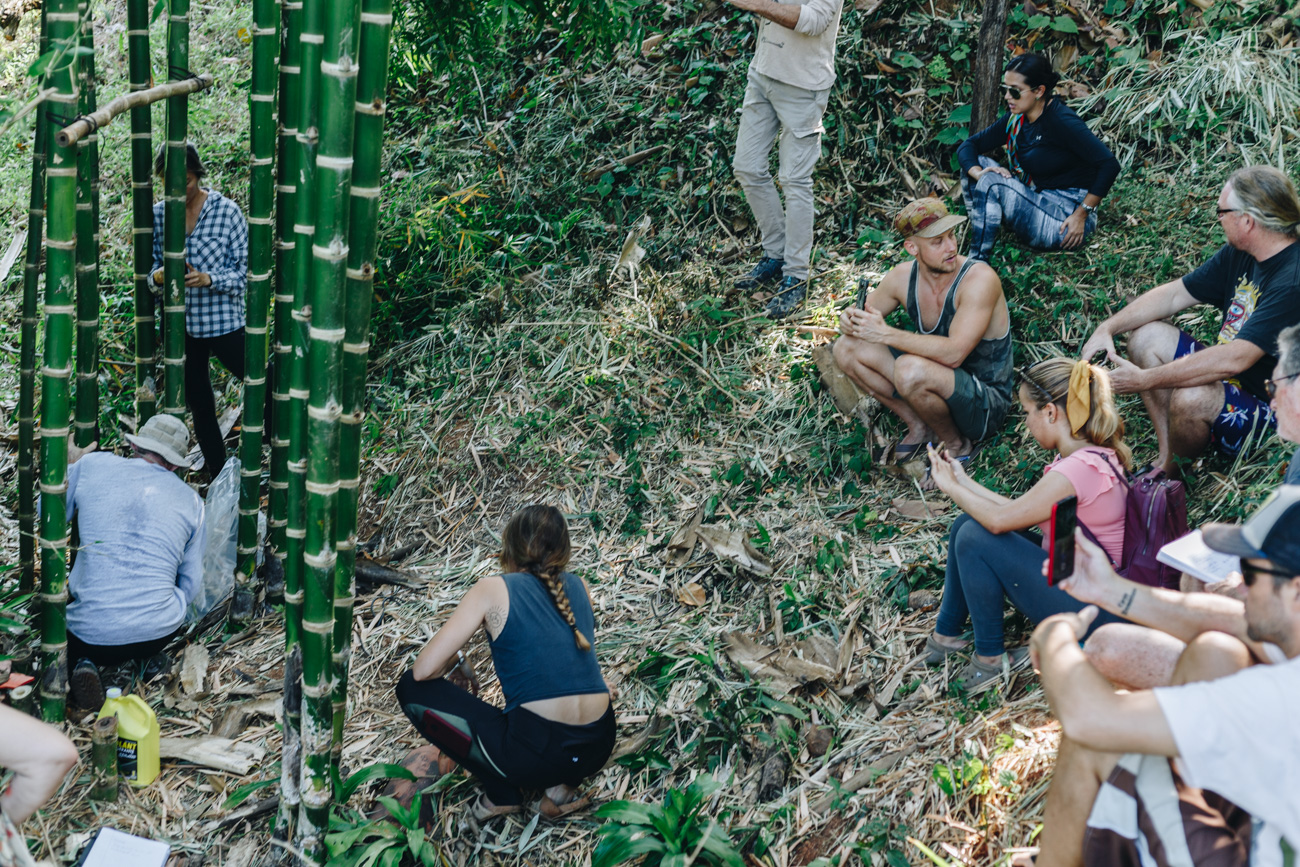
The workshop was intended to be more practical than theoretical. Everyone had the opportunity to touch and manipulate the material in different ways. Overall it was excellent. Henry came along with his two partners from Finca Bamboo and they were super helpful. On our side, it was a lot of running around and logistics but the experience was excellent.
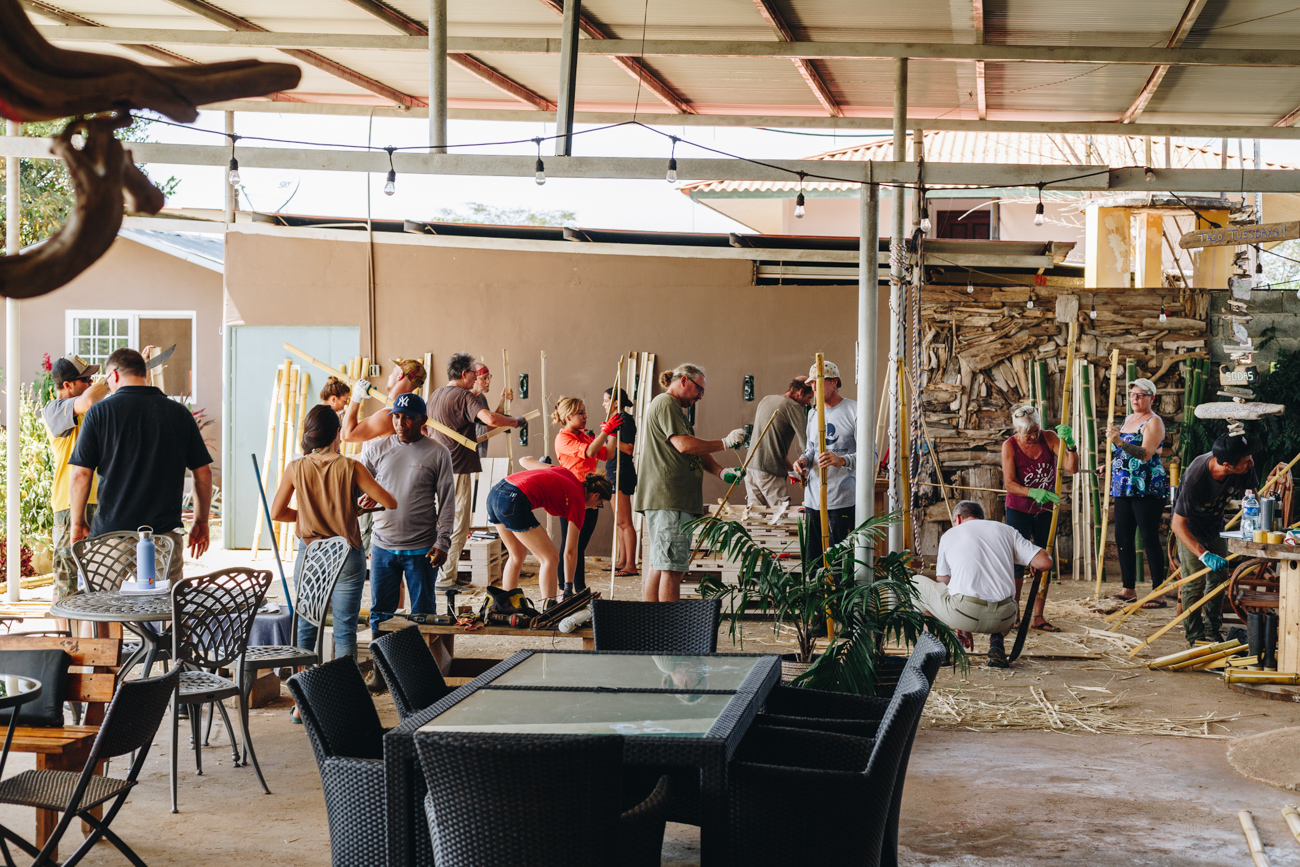
This will be the first of many workshops to come on bioconstruction. At Arquídea we are always thinking of ways to make the transition from conventional materials to vernacular materials, so stay tuned for more workshops to come.
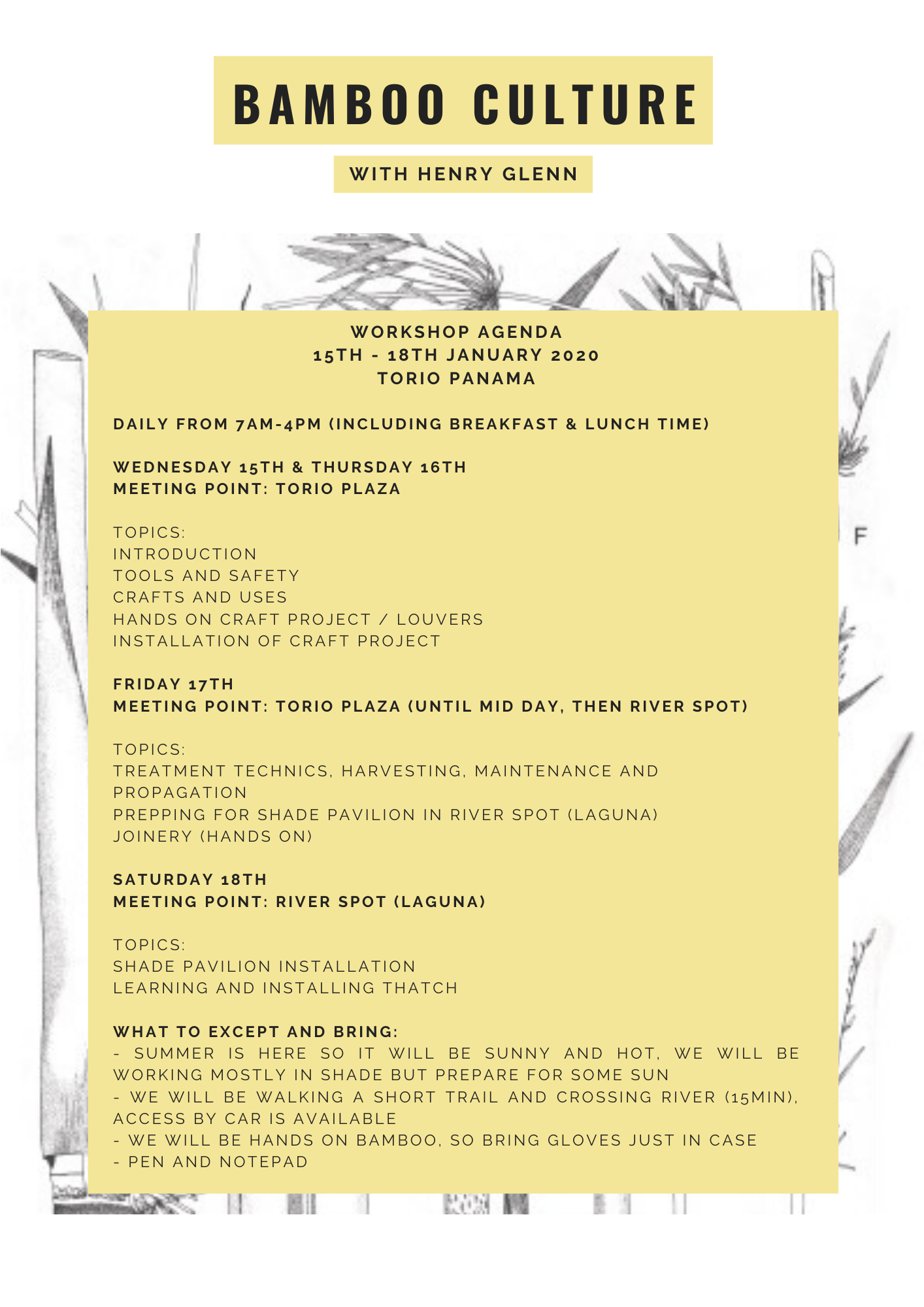
Topics covered in the workshop:
- Introduction to species and uses
- Bamboo maintenance and propagation
- Bamboo conservation
- Bamboo handicrafts: blinds, weaving and carving
- Carpentry
- Construction of a bamboo shade pavilion
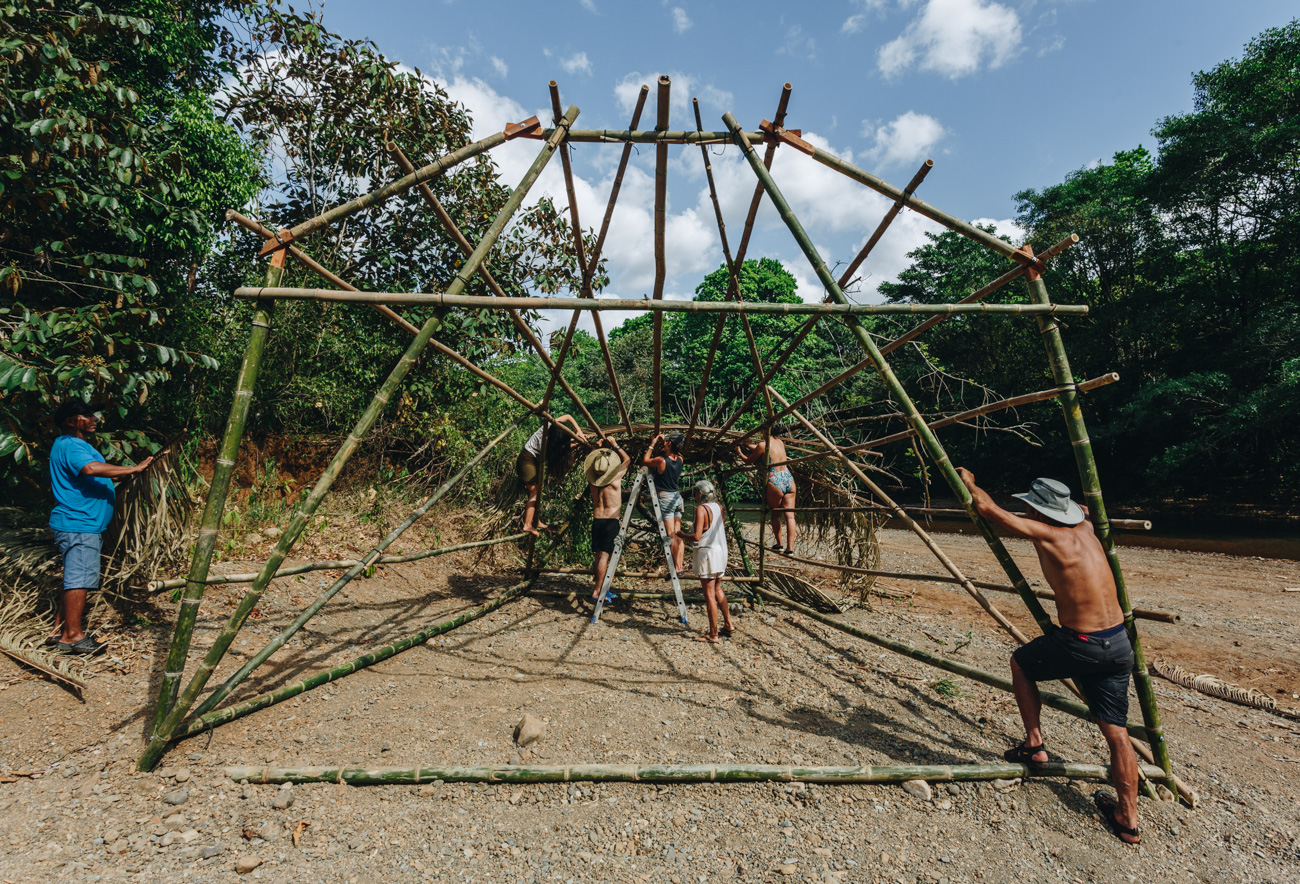
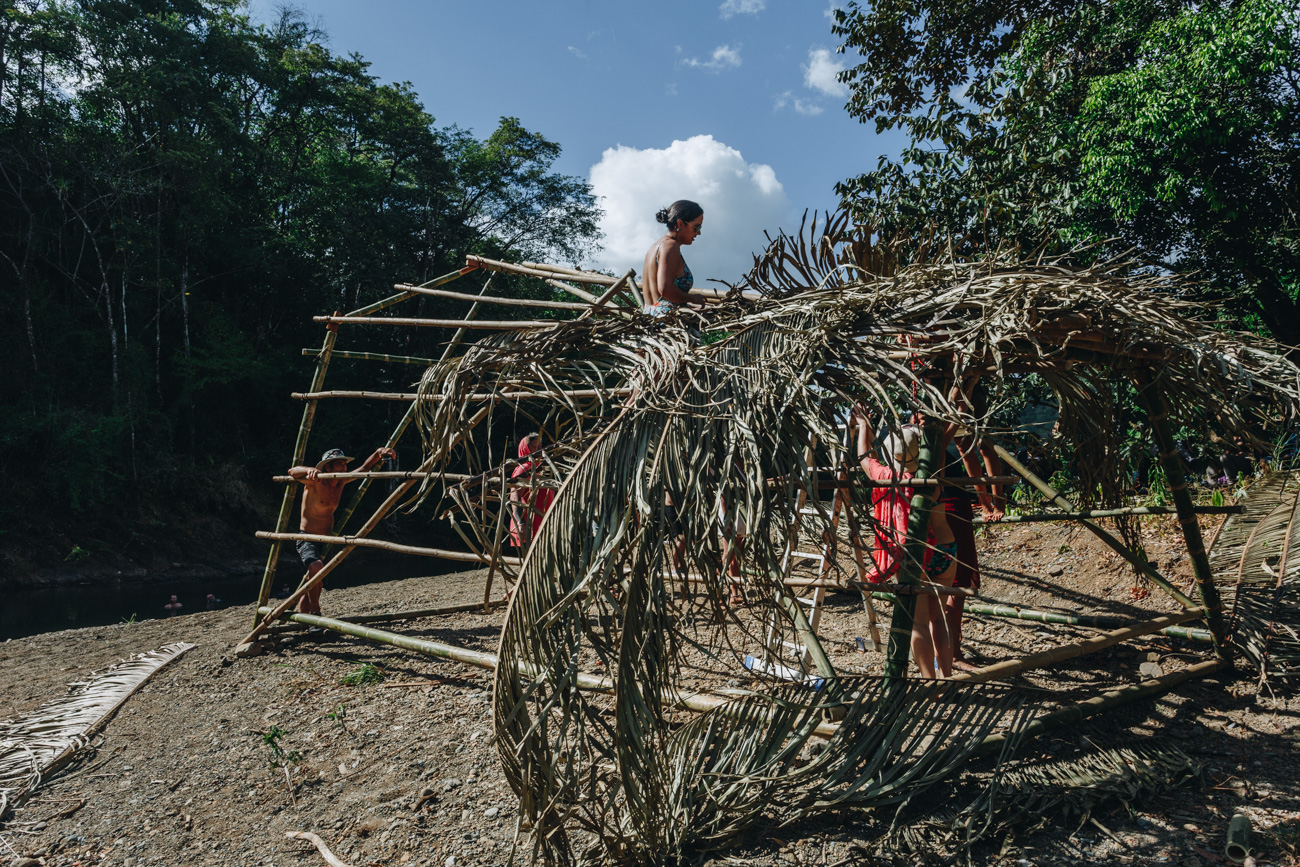
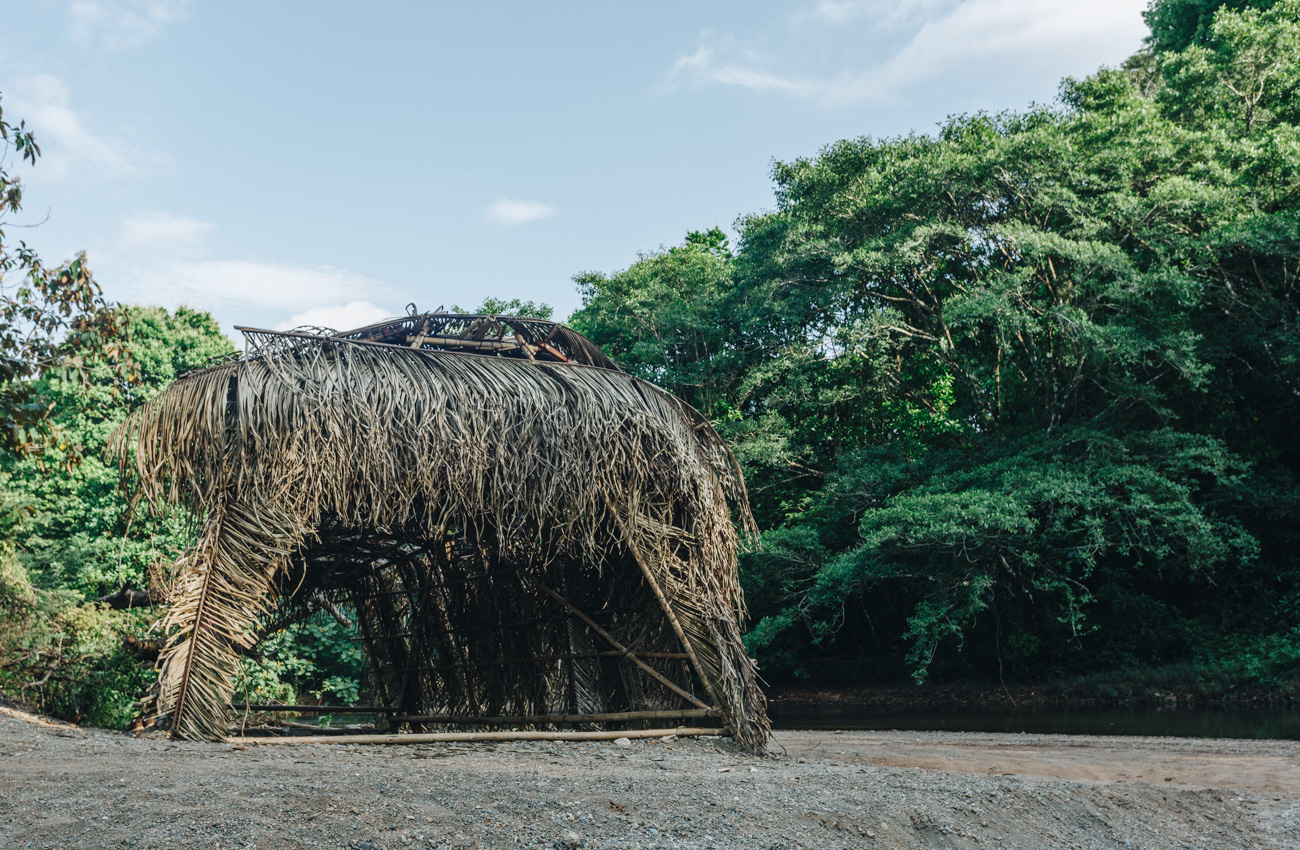
A review by the professor::
Henry Glenn
Co-founder of “Finca Bamboo” located in Cuervito de Pavones in the southwest Pacific region of Costa Rica, Henry Glenn is a Bamboo Educator, Innovator, and promoter of the “Costa Rican Bamboo Culture” brand.
Costa Rica's bamboo culture recognizes and honors the versatility, innate strengths and qualities of one of the world's most beautiful regenerative resources. It is committed to supporting the integrity of our natural (or native) environment through the use of bamboo in all its creative and sustainable forms.
For more than 20 years, Henry has studied and cultivated more than 100 species of bamboo and has experience working with this elegant, strong and adaptable material to create all kinds of practical structures, tools and accessories for everyday life, and even for food.
Over the past 5 years, Henry and the Finca Bamboo team have refined several treatment solution systems that allow bamboo to be treated according to location and applications. The “Finca Bamboo” treatment system is economical and environmentally friendly. It was designed to minimize treatment solution waste in an ongoing effort to preserve the earth.
Henry's most exciting works to date are his living bamboo platforms. Each platform is created from a clump of living bamboo. This creation becomes a unique piece of environmental art and a usable space that brings you ever closer to nature.
Henry Glenn is passionate about sharing his knowledge and experience of all things bamboo to help create a smaller, healthier footprint on our planet.
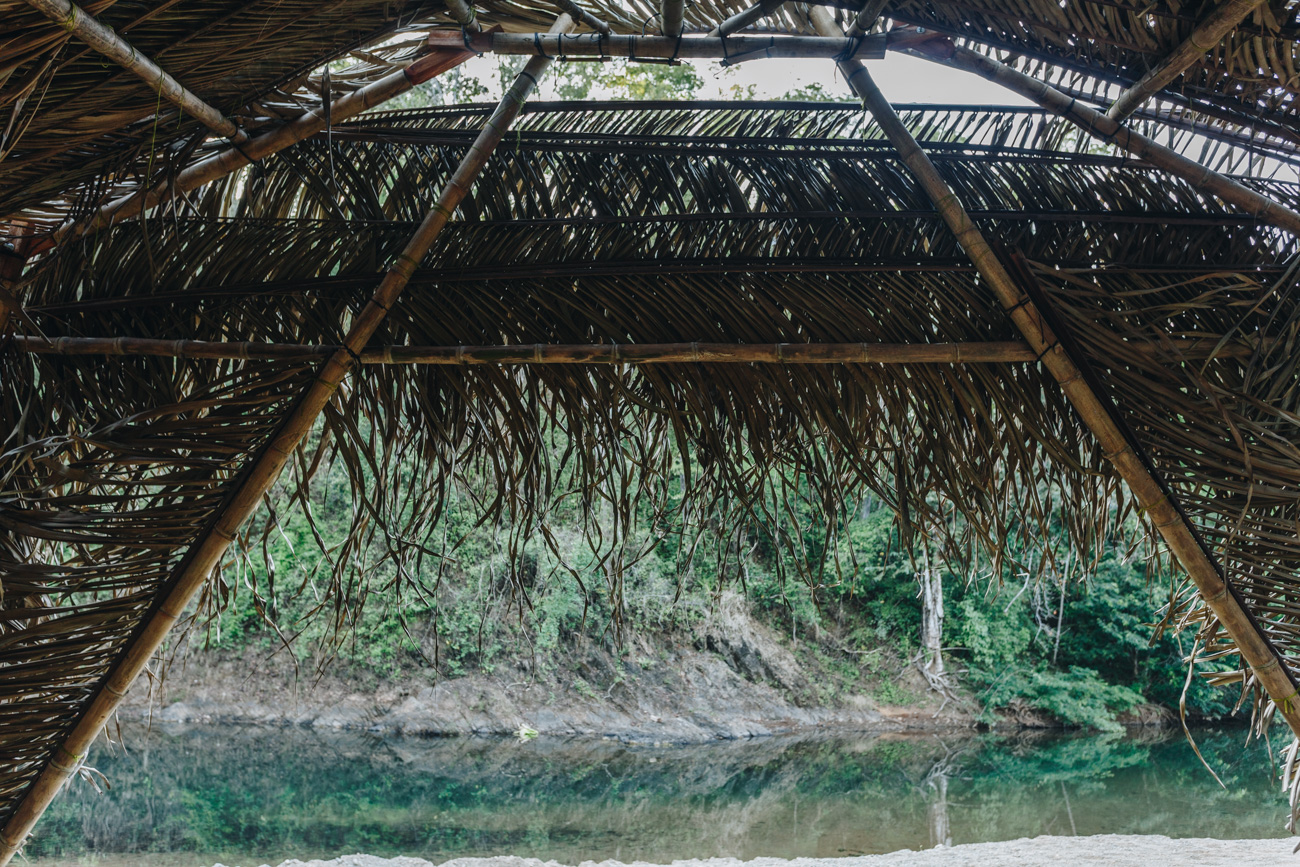
If you want to know more about how this workshop went and see pictures, you can see the tag #bambooculturetorio


Comments