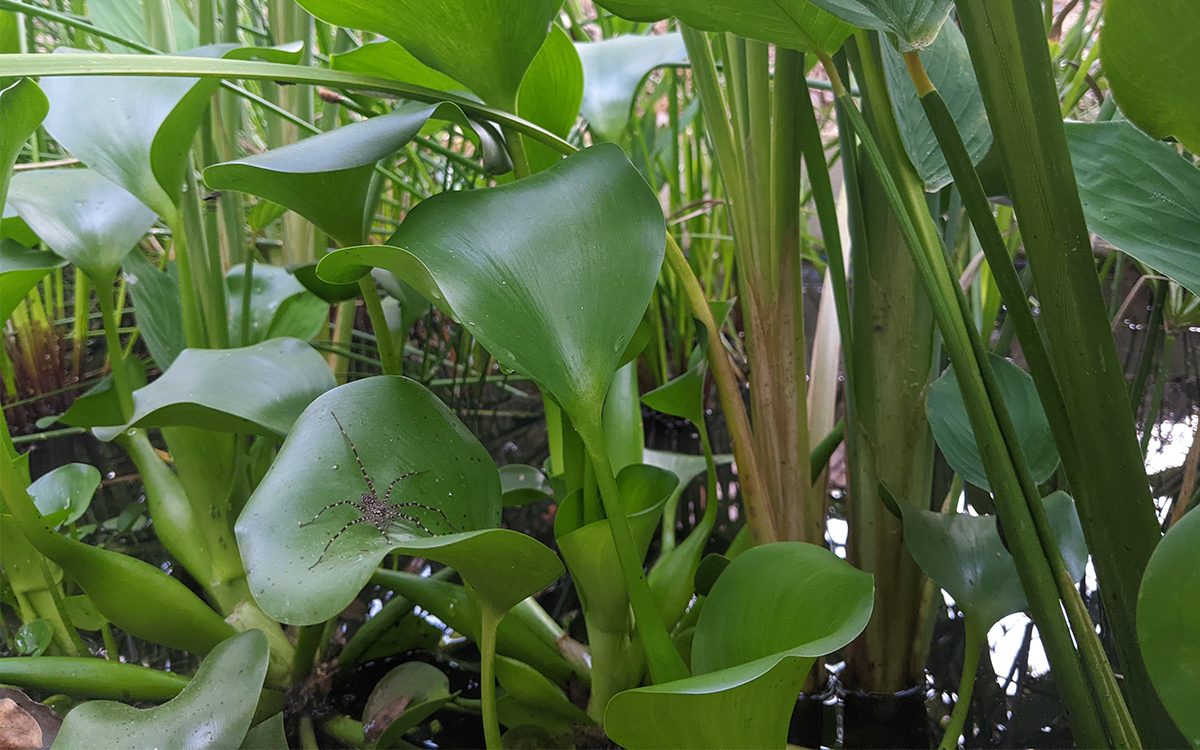
This text is to share my new experience with the artificial wetland I have at home, as a secondary treatment system for sewage and gray water. We will implement it in December 2021.
Commonly, in rural areas like where I live, a septic tank is used and then a sump. This is a tank where the solids are separated and then travels to an underground space filled with stones where the liquid waste is drained to the subsoil. While this is allowed by regulation, it is not the most sanitary, because those wastes, as micropollutants, can leach into the groundwater anyway.
I am a believer that everyone has a responsibility to be as careful as possible with our waste, starting with recycling, reusing, composting, etc. But it doesn't stop there. Part of my purpose this time around is to be active in all these issues and to inspire those who read this and those who are going to build their homes, so that they don't hesitate to incorporate these systems.
An artificial wetland
“Eco-technological and biological, designed in order to mimic the processes of natural wetland ecosystems, stand out as a potential alternative or supplementary system for wastewater treatment.”
United Nations Human Settlements Programme (UN-HABITAT), 2008
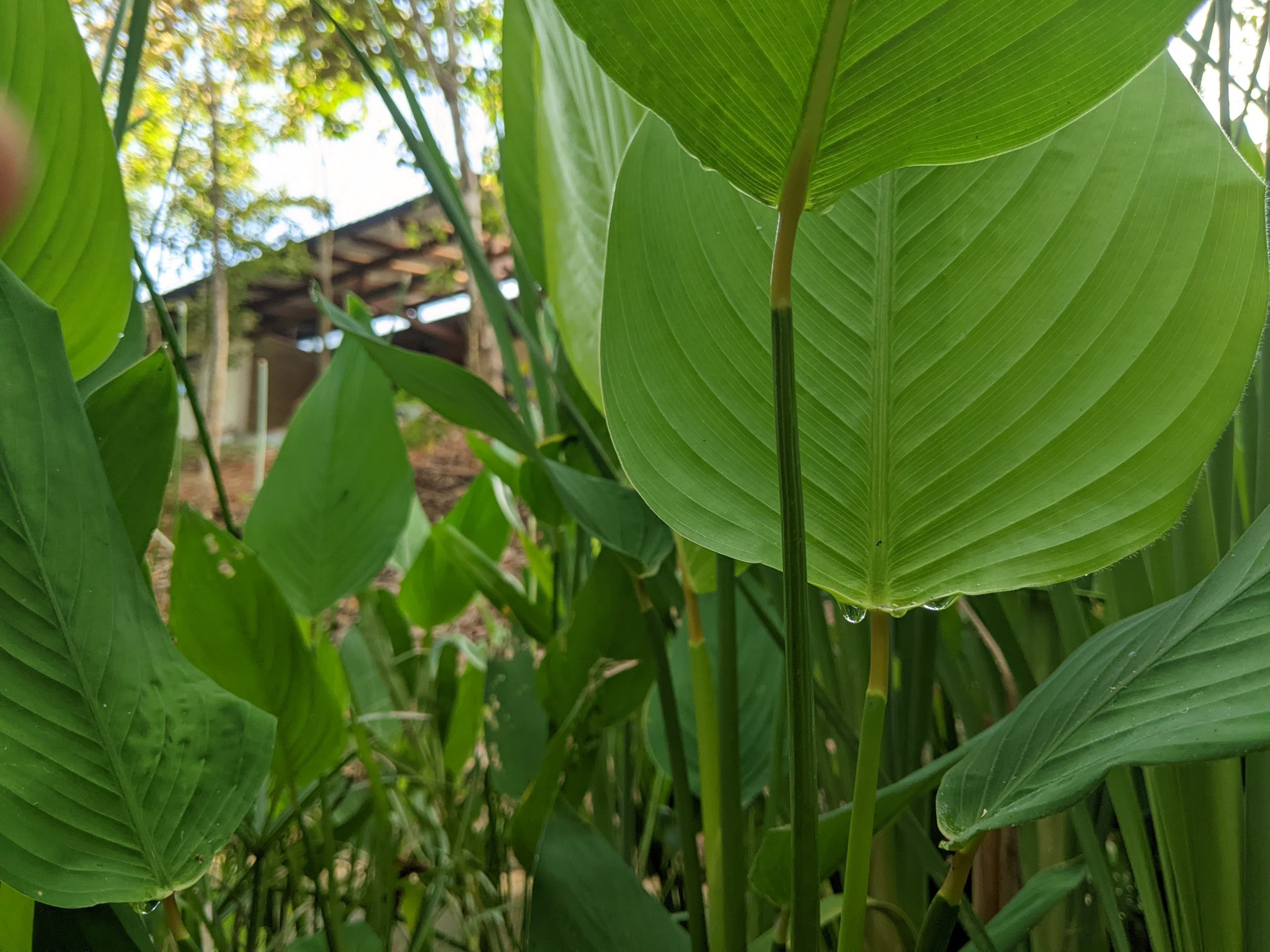
It is a shallow pool, filled with substrate and planted with aquatic plants, resistant to water saturation. The wastewater enters the pool and flows through the substrate and plant roots and is discharged out of the pool into an inspection chamber, where you can also regulate the depth of the water inside the wetland.
The water that comes out at the end of the wetland, can be reused for irrigation in the garden, which is great because in Panama, there are four months a year that it does not rain and in that time it is best to water your plants without using drinking water that we have to take care of. Soon we will be installing a rainwater harvesting system which is also something I recommend, and I wish I had done it from the beginning in my house, but this is how we learn. The good thing is that you can always modify and do it later.
My system
The system we have is a biodigester (it's like a septic tank but has extra ecological factors) as primary treatment and then runs to our artificial wetland.
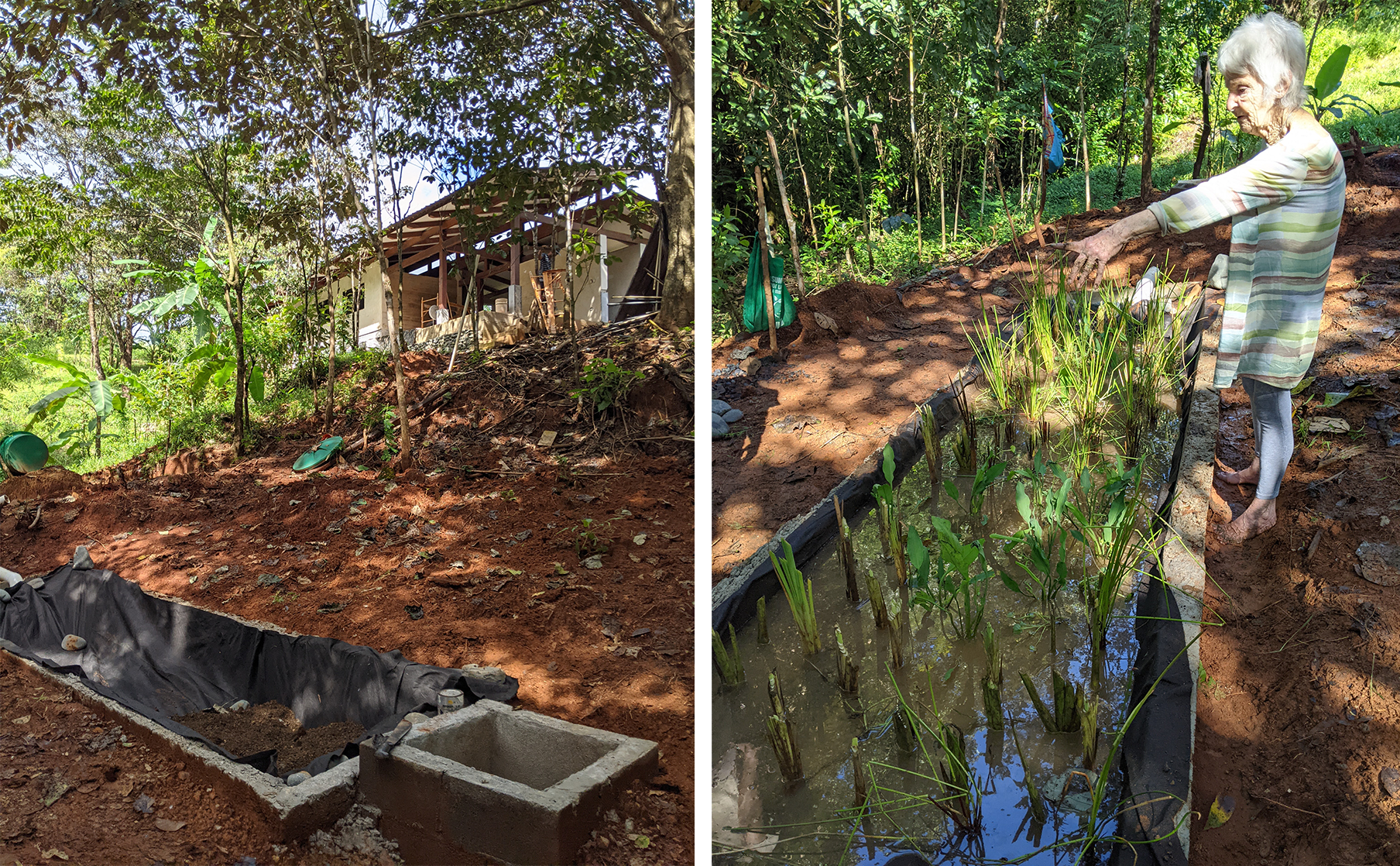
Our wetland is a rectangle-shaped pool with a shallow depth. The measurements and the system was designed by the engineer Andoni Iriberri from Aparato A, this is necessary to know what size of wetland you need and how many plants to plant for a correct operation.
The pool has a layer of gravel on the bottom, then a textile geo covering the bottom and filled with natural compost substrate mixed with coarse and fine sand. We planted aquatic plants found in natural wetlands in the area.
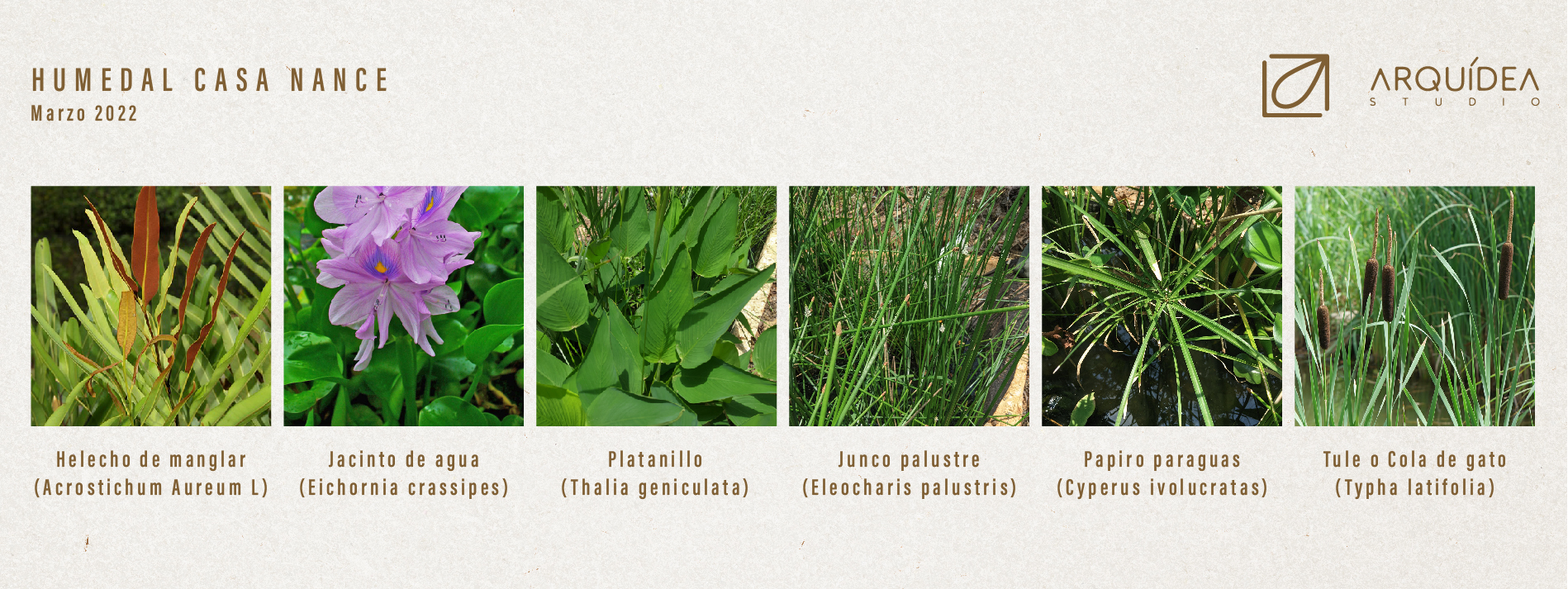
From the beginning until today, the stabilization process has been
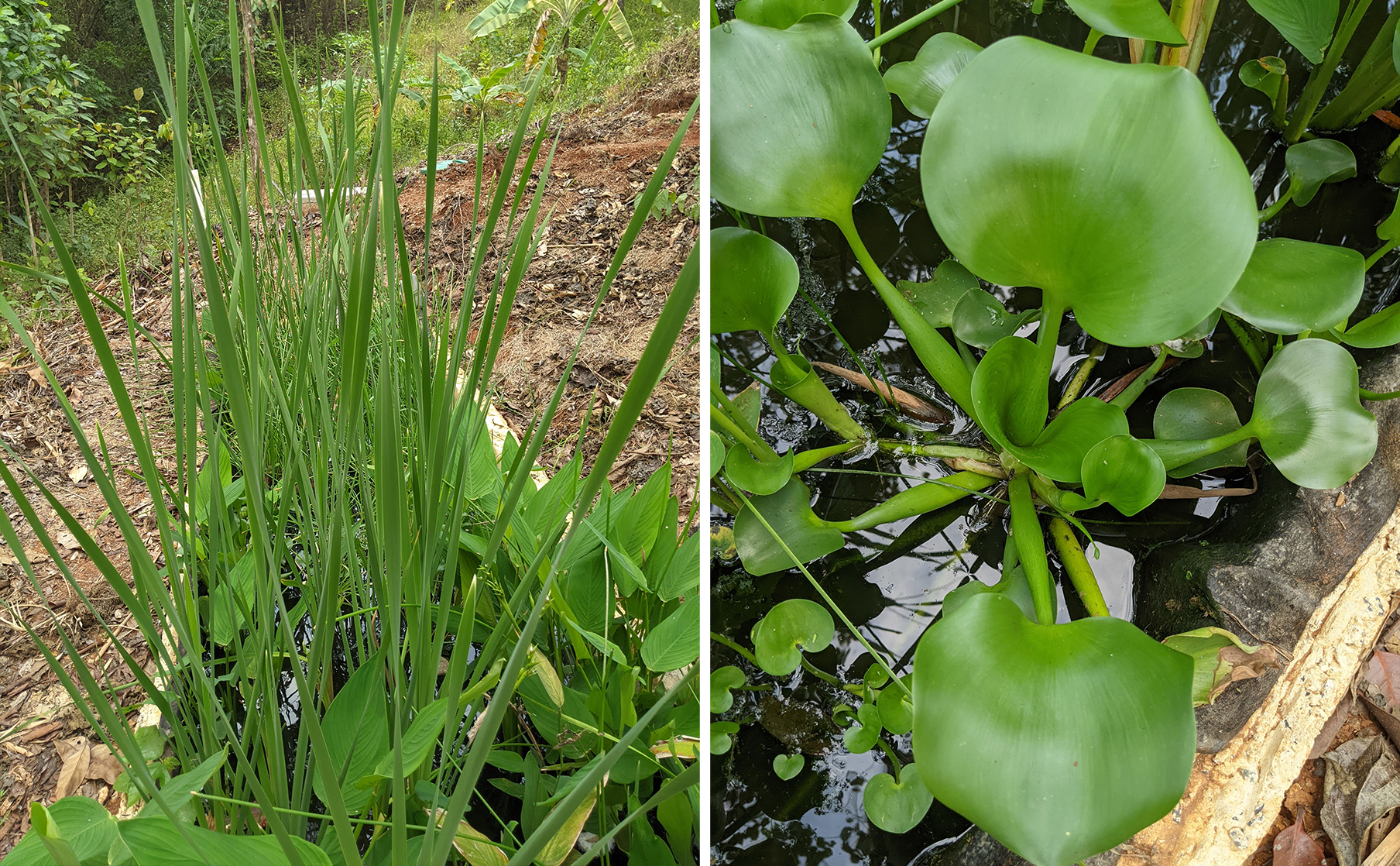
Once the pool was made and its layers were inside and also substrate, aquatic plants were collected from natural wetlands in the area. They must be plants with good roots and/or rhizomes since it is the roots that work to clean the water. We then planted them with the help of Jenny and Bruce, neighbors with huge hearts who wanted to help. Something very valuable about the place where I live is that the community helps each other a lot, especially when it's time to get their hands in the soil. After planting we turned on the water and let it fill to the desired level.
When we started the wetland, it was populated with mosquito larvae, by the thousands, and lots and lots of tadpoles, which later grew into frogs and we had a festival every night with the froglets (Túngaras). The mosquitoes apparently did not grow and were all eaten, because they did not bother us in the house. We also put in some small fish that my neighbor Ray gave me, which to this day have their little family in the cleaner end of the wetland. They are tiny, different colors and very beautiful.
Three months have passed. The wetland is full of life, the plants are thriving and reproducing and there is still a long way to go. Every day I see new species of insects and a lot of diversity. I have been introducing more plants where some did not stick and also cleaning up dry leaves that have fallen. I have been told that it takes about four months to stabilize, and I hope this is the case because at night when the atmosphere cools down, it sometimes becomes aromatic like sewage.
I think the big issue of this wetland and perhaps a “contra” that we can observe, is the amount of little frogs singing at night. It is a spectacle to listen to them but living with them on a daily basis is a bit difficult, especially at bedtime. They stay up until midnight with the party. We are going to give them some time to stabilize, let the rainy months come in and evaluate the next steps. But, one solution would be to raise the water level so that the substrate and the water are at the same level. Today there are two inches of water flooded.
In my Instagram I made a reel and you can see the wetland on video.
I hope you enjoyed it and let me know if it is something you are encouraged to do at home. In a few months I will do a follow up post.
Love, Fer.


Comments