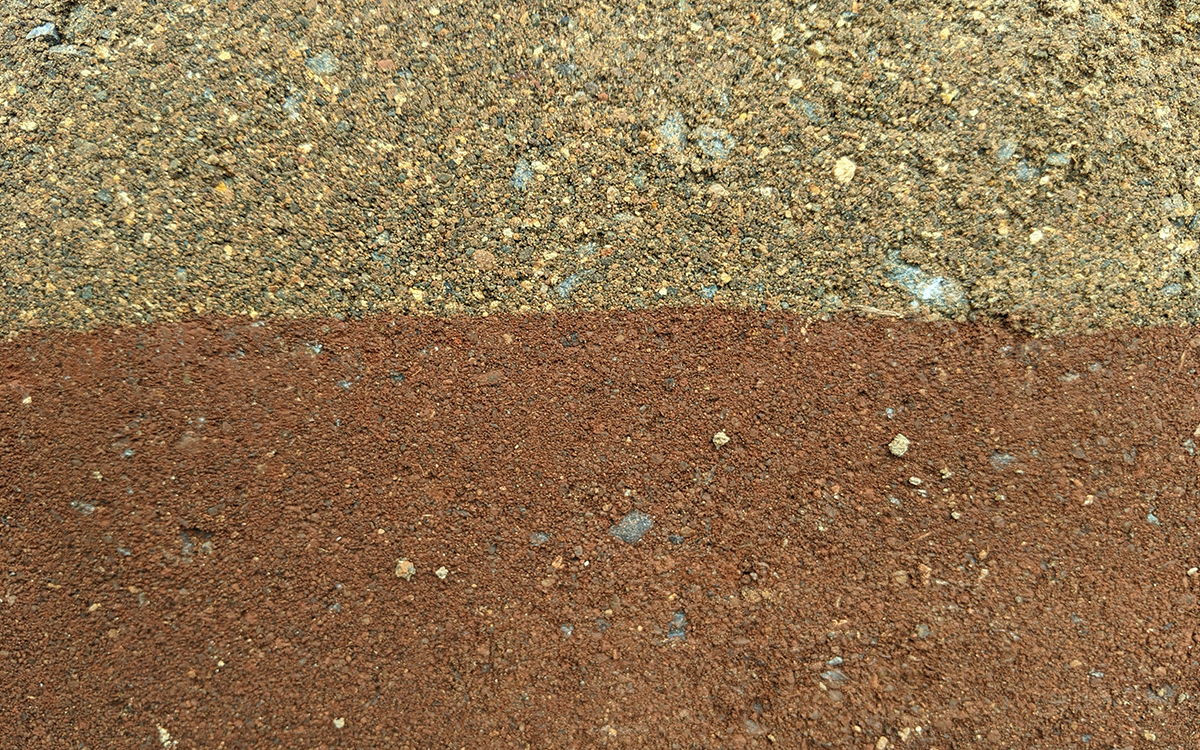
Casa Nance – Rammed earth wall
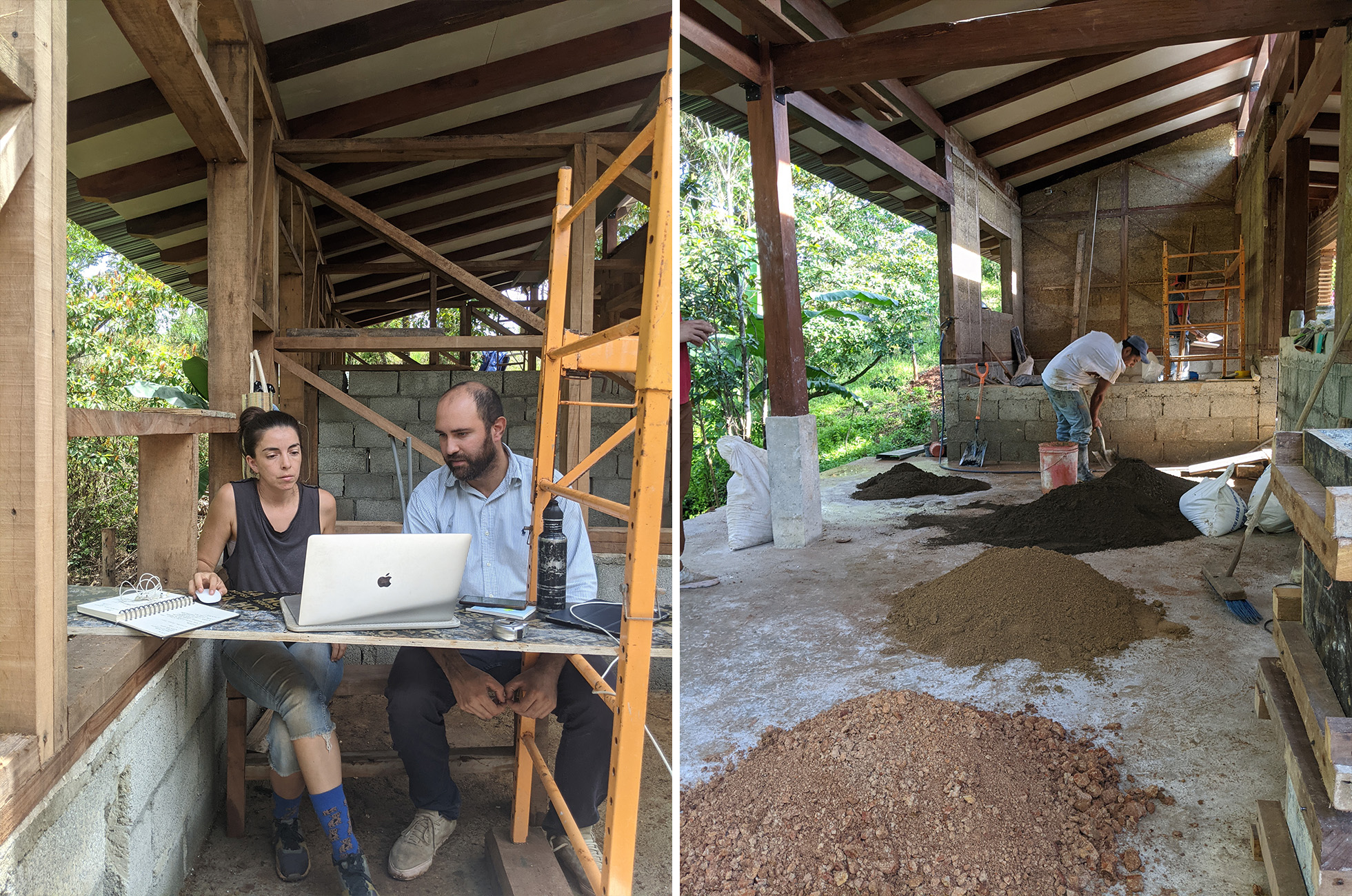
Ever since I traveled to Mexico six years ago to participate in a workshop with the Mexican studio Taller AF, I had been dreaming about this construction system. I felt hopeful, and once back in Panama I began experimenting with what I had learned. But honestly, I wouldn’t have dared to offer it or attempt a wall without the arrival of my colleague Andoni Iriberri. Thank you for being and for being here.
These construction systems involve a lot of trial and error, so my recommendation is to always have an ally — a consultant or experienced professional — as it will save you significant time, effort, and materials.
Casa Nance is my home, and it became the testing ground for this construction system. It was built in 2021. To begin sharing that project, I’d like to start with the rammed earth wall it features.
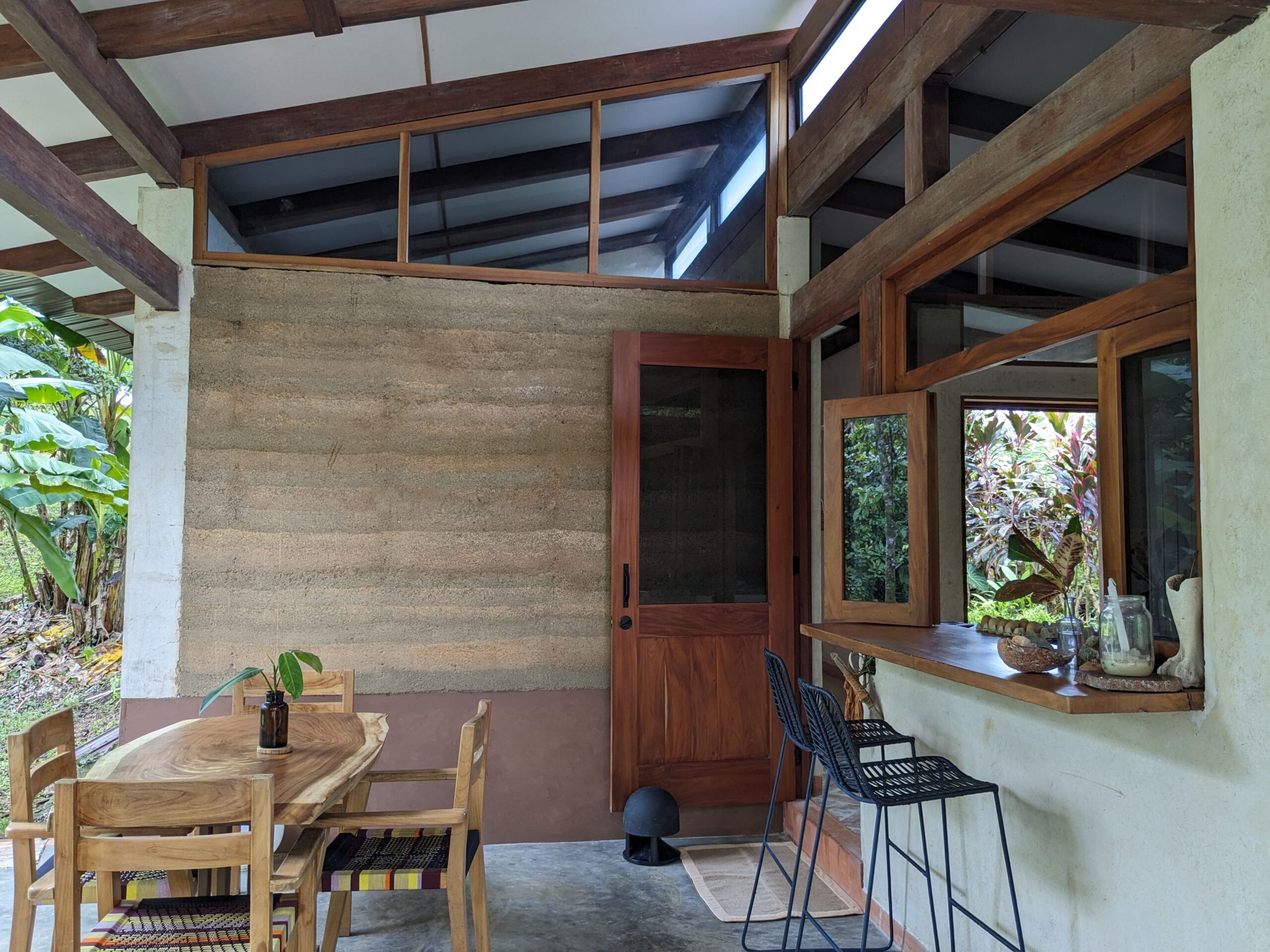
This wall is a decorative element that connects one of the bedrooms with the terrace/living area, allowing it to be appreciated in daily life. I’m not sure if it’s the first wall built with this construction system in Panama, but it might be — and I’m certain it won’t be the last.
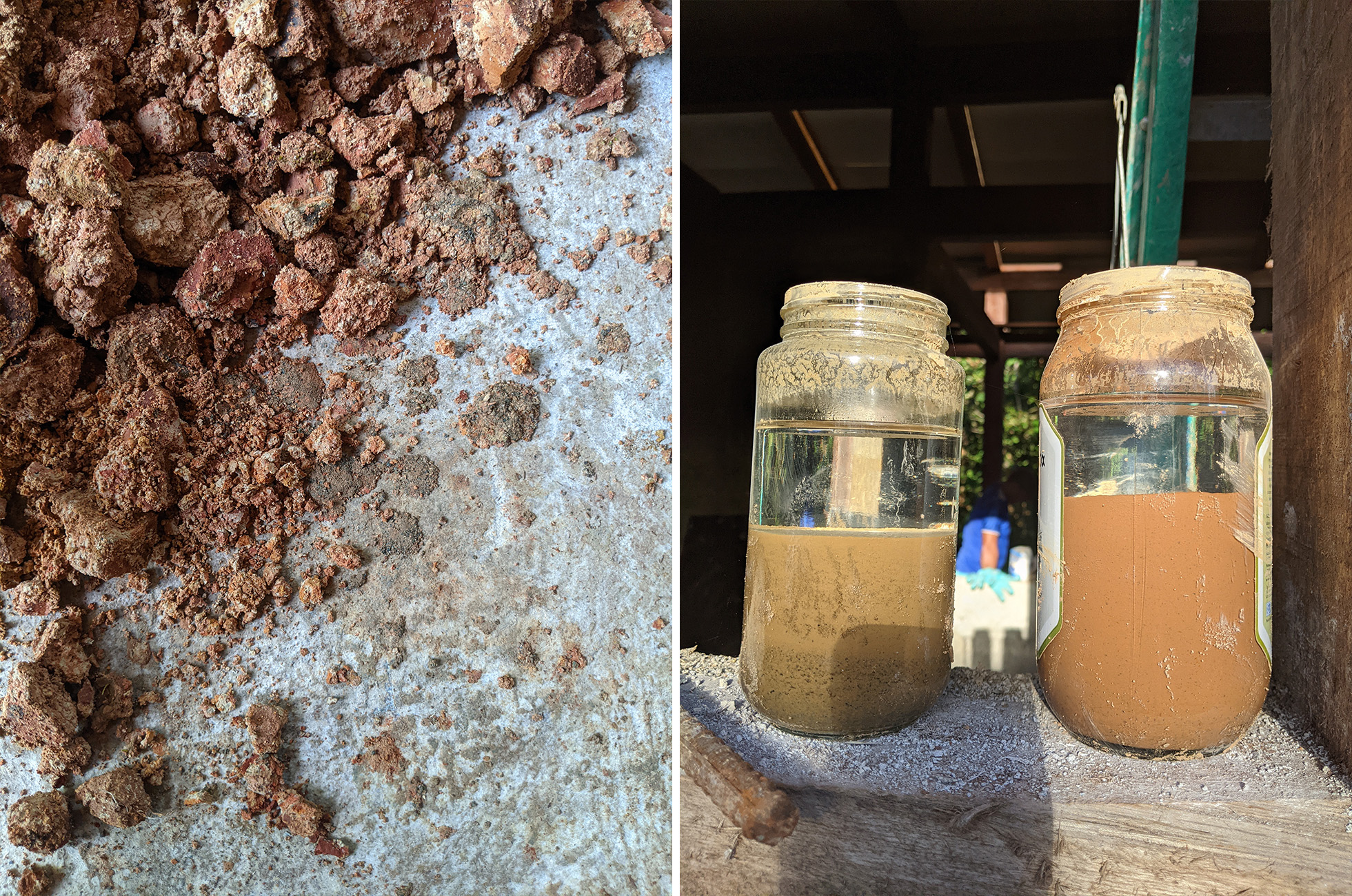
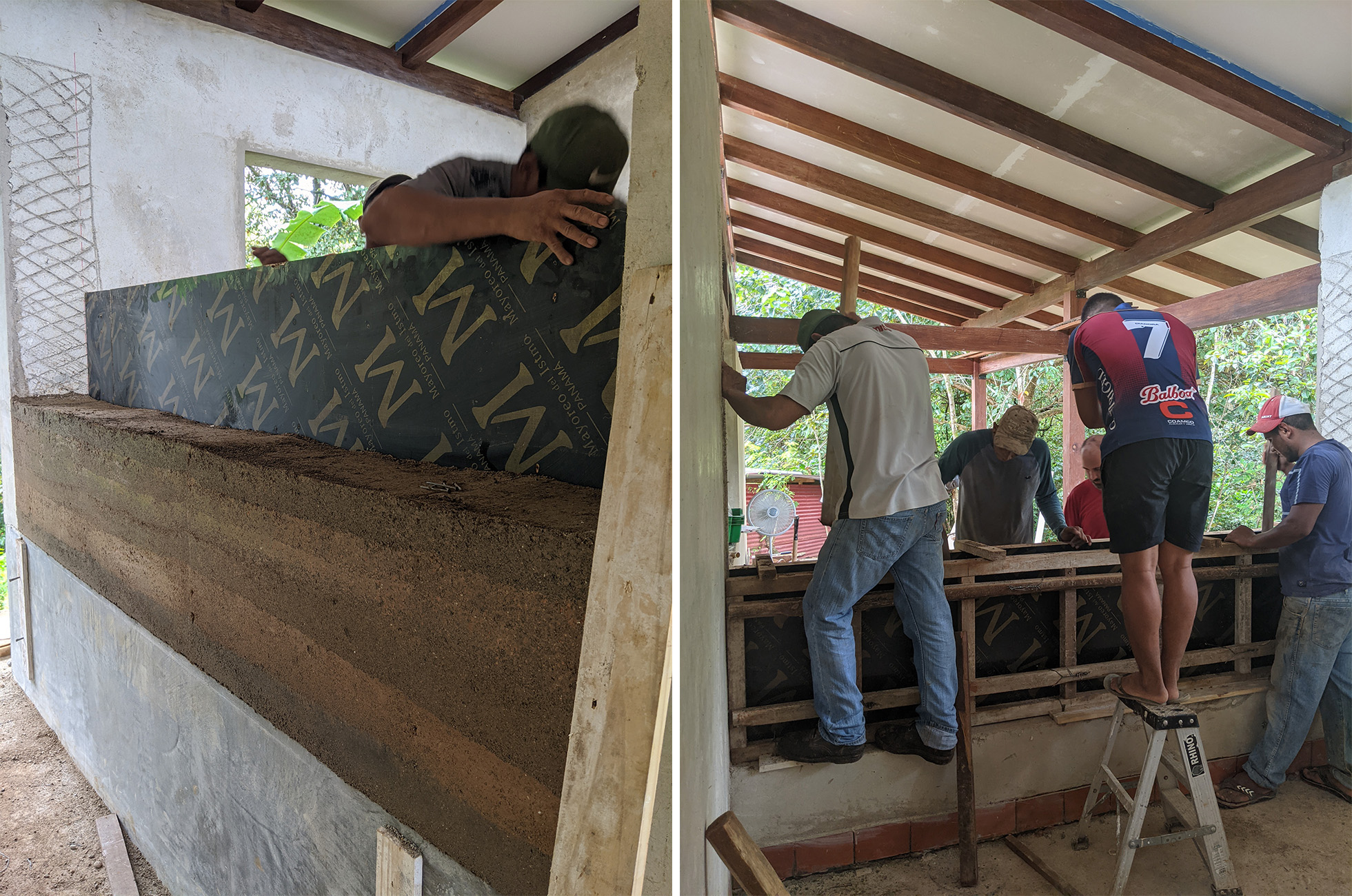
Since it was the first, the process was naturally slow. We conducted many tests with different material proportions and local clays. The formwork, assembly, and ramming process also became a learning curve for the local builders, who developed new skills throughout the construction.
Historic background
Rammed earth, also known as tapial, has been used in construction for thousands of years, with evidence dating back to the Neolithic period. Widely used — particularly in China — this technique was applied in both ancient monuments and vernacular architecture, including sections of the Great Wall.
Although interest in rammed earth declined during the 20th century, it has seen renewed attention in recent years, especially for its sustainability compared to more modern construction methods. Rammed earth structures use locally sourced materials, resulting in low embodied carbon and minimal construction waste.
Plataforma arquitectura – Lilly Cao
How its made
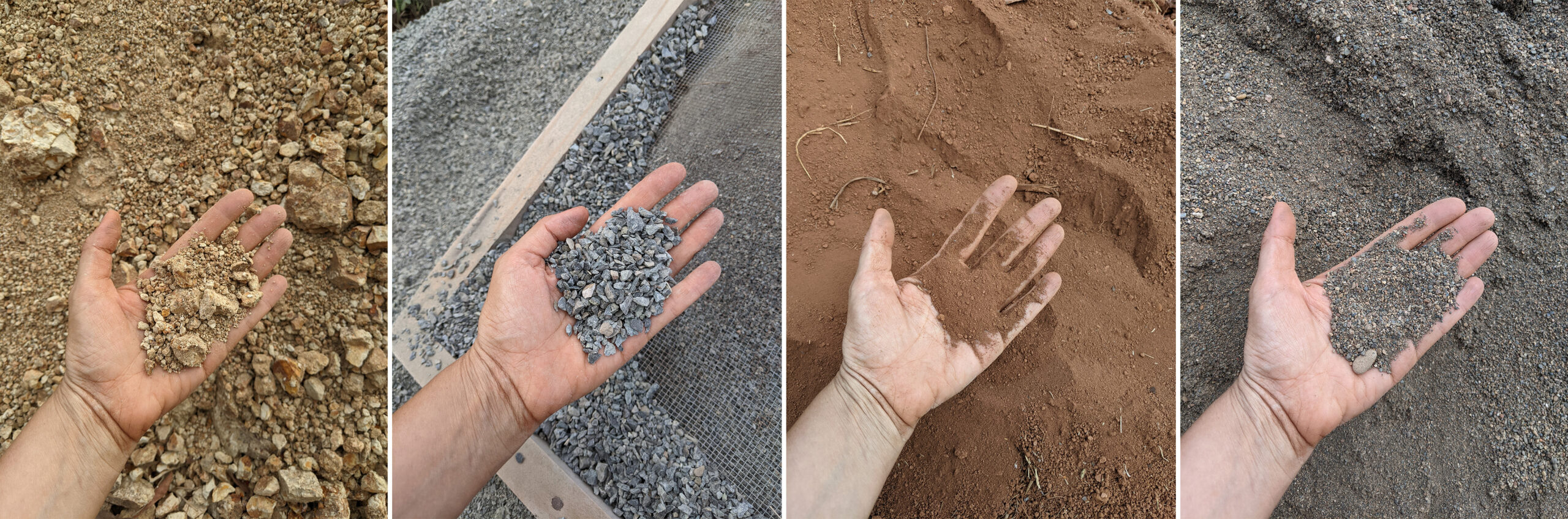
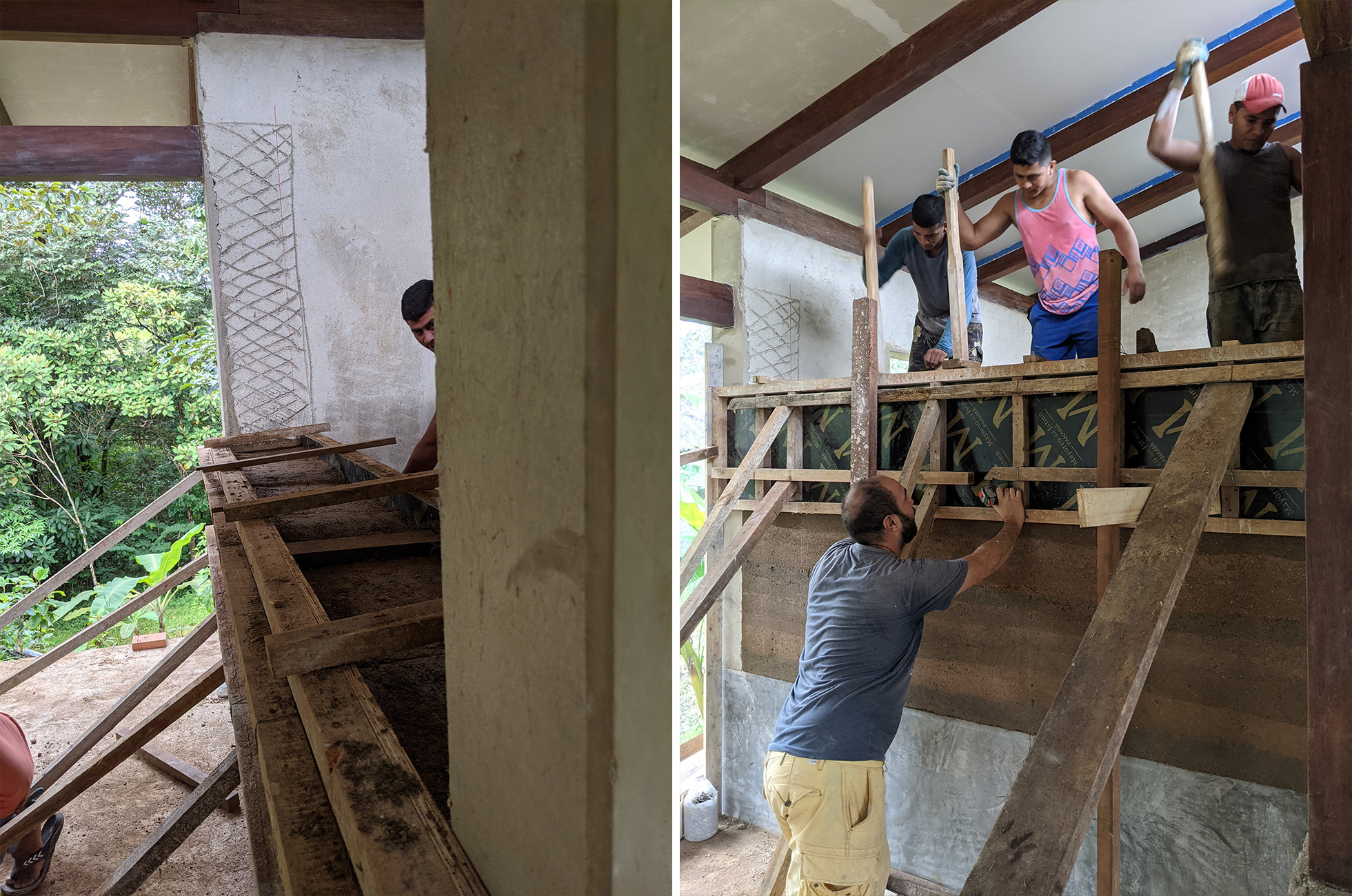
A rammed earth wall is built using formwork made of two well-braced parallel panels, which are raised progressively as the material is compacted. The mix typically consists of sand, gravel, clay, and a stabilizer — in our case, we used small amounts of lime and cement in a very low percentage.
The mixture includes a small amount of water to moisten it, but it remains relatively “dry.” After placing the mix to a certain height, it is compacted using wooden tampers (a pneumatic tamper can also be used), reducing the material to about 50% of its original height.
This process is then repeated layer by layer until reaching the desired wall height, reusing and lifting the formwork as construction progresses.
Benefits of rammed earth
Some of the benefits of this construction system include its appearance. The visible layers of earth create a beautiful natural texture, and different colored clays can be used — even shaped — to achieve a unique look.
The materials for this type of wall can usually be sourced locally (although testing is always necessary). If the structure is ever demolished, the earth from the wall can be reused, making it a highly sustainable option.
Rammed earth also offers high structural capacity, durability, and good resistance to humidity — though not to direct rain. These walls must be protected under roofs and generous overhangs to ensure long-term performance.
It excites me to encourage these practices among local Panamanian builders, helping local architecture move toward more sustainable approaches while creating new trades that foster creativity and innovation.
Using renewable materials sourced locally opens the door to bioconstruction for everyone, creating a beautiful virtuous cycle — encouraging the planting of timber species and bamboo, protecting natural resources, sharing knowledge, and ultimately living in homes that are cooler, more beautiful, and healthier.
We will continue experimenting here and sharing knowledge, in search of continuous improvement — guided by intentions that move away from purely economic goals and toward a more collaborative, regenerative, and holistic approach.
Comments