In January 2019 I fulfilled one of my dreams of learning how to make rammed earth walls. A workshop that surpassed my expectations in Valle de Mexico, given by AF Workshop and the teacher Laurent Coquemont.
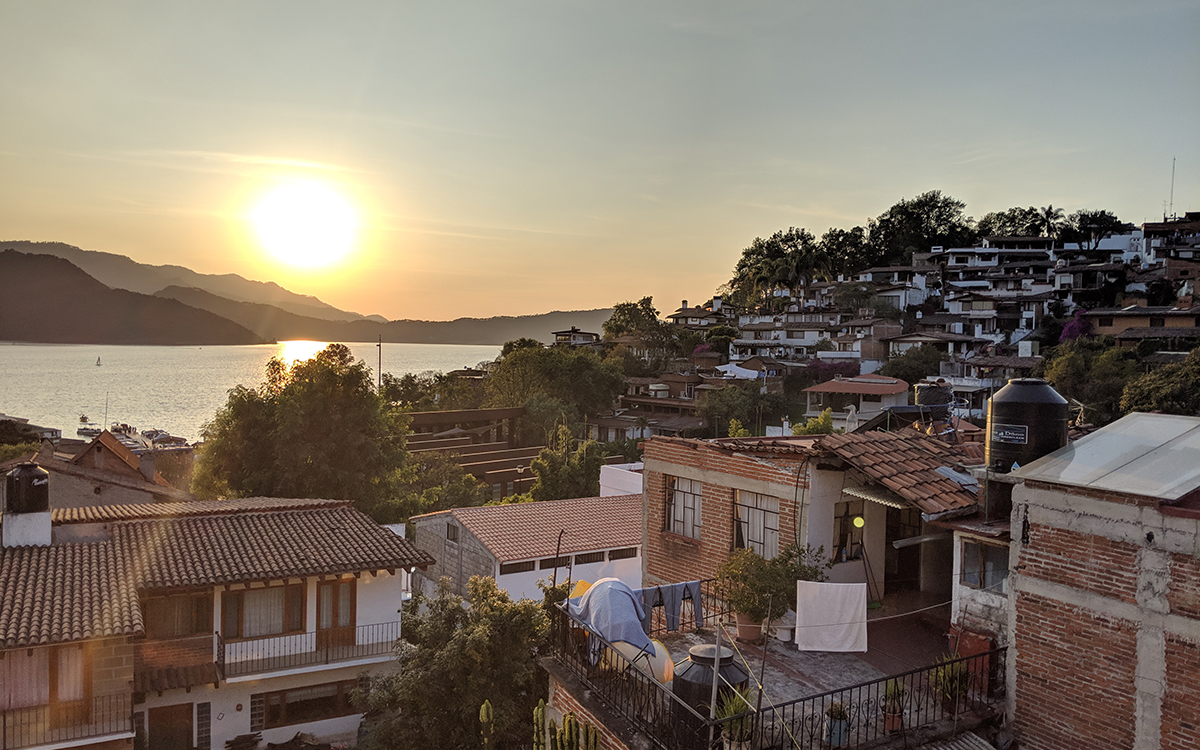
The workshop dealt with earth walling (or compacted earth walls) and also earth and lime plasters. During one week we were in theoretical and practical subjects and we also had the luxury of visiting works built in these materials in Valle de Bravo.
The theoretical/practical workshop on earth walling was given by the architect Sweet Knuckle in El Borbollón, a tremendous eco-tourist complex near Valle de Bravo. The place consisted of a few houses, villas, dining room and chapel; all with different earth construction techniques. AF workshop in charge of the execution of the work.
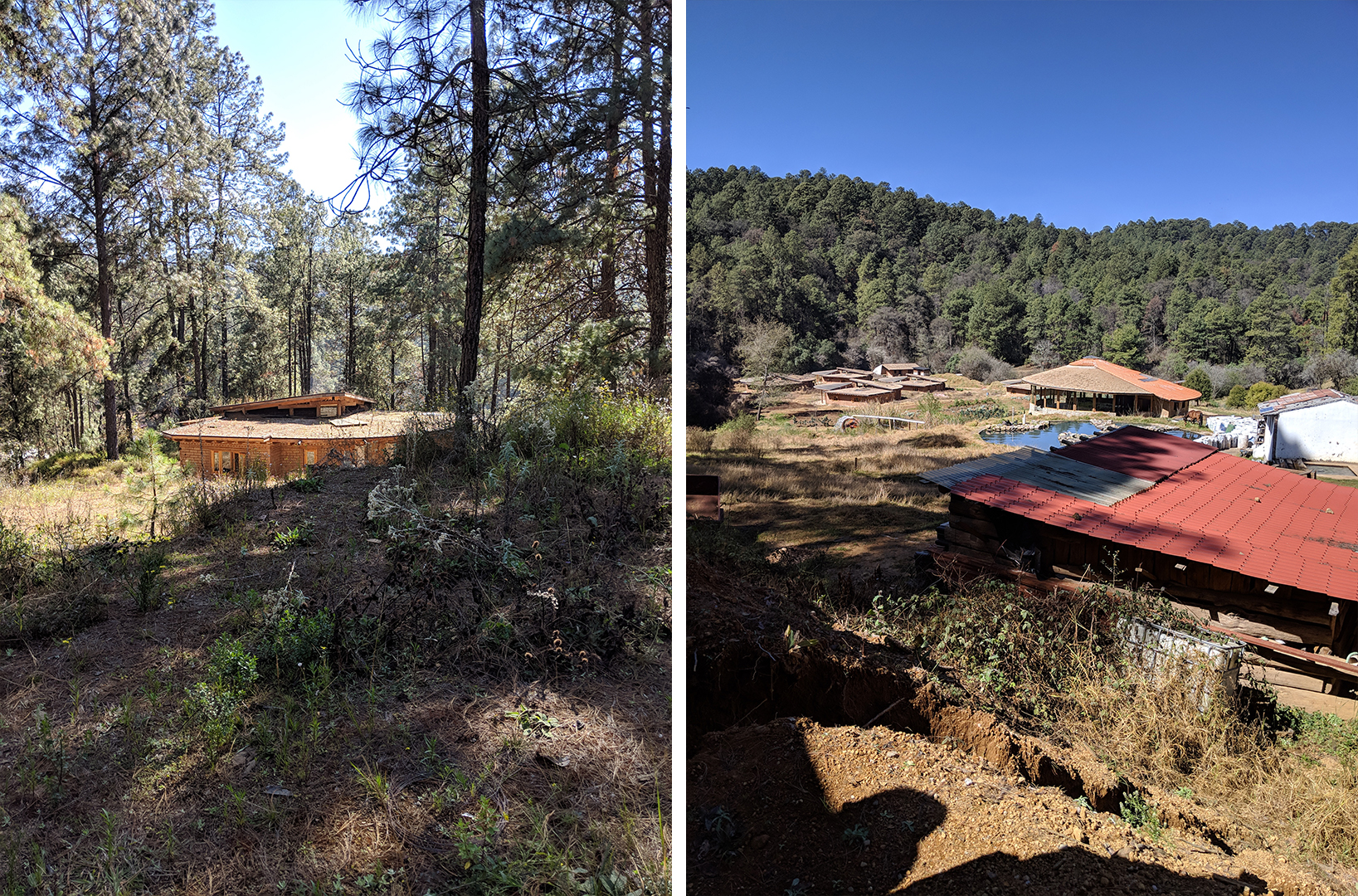
At El Borbollon we experimented with different types of soil and made formulas to create prototypes of earthen walls. We learned that there is no perfect recipe for this technique as it depends on the soil found on site. This is something remarkable about this material, since the raw material to make it is close to the construction site saving you a lot of money in materials and transportation.
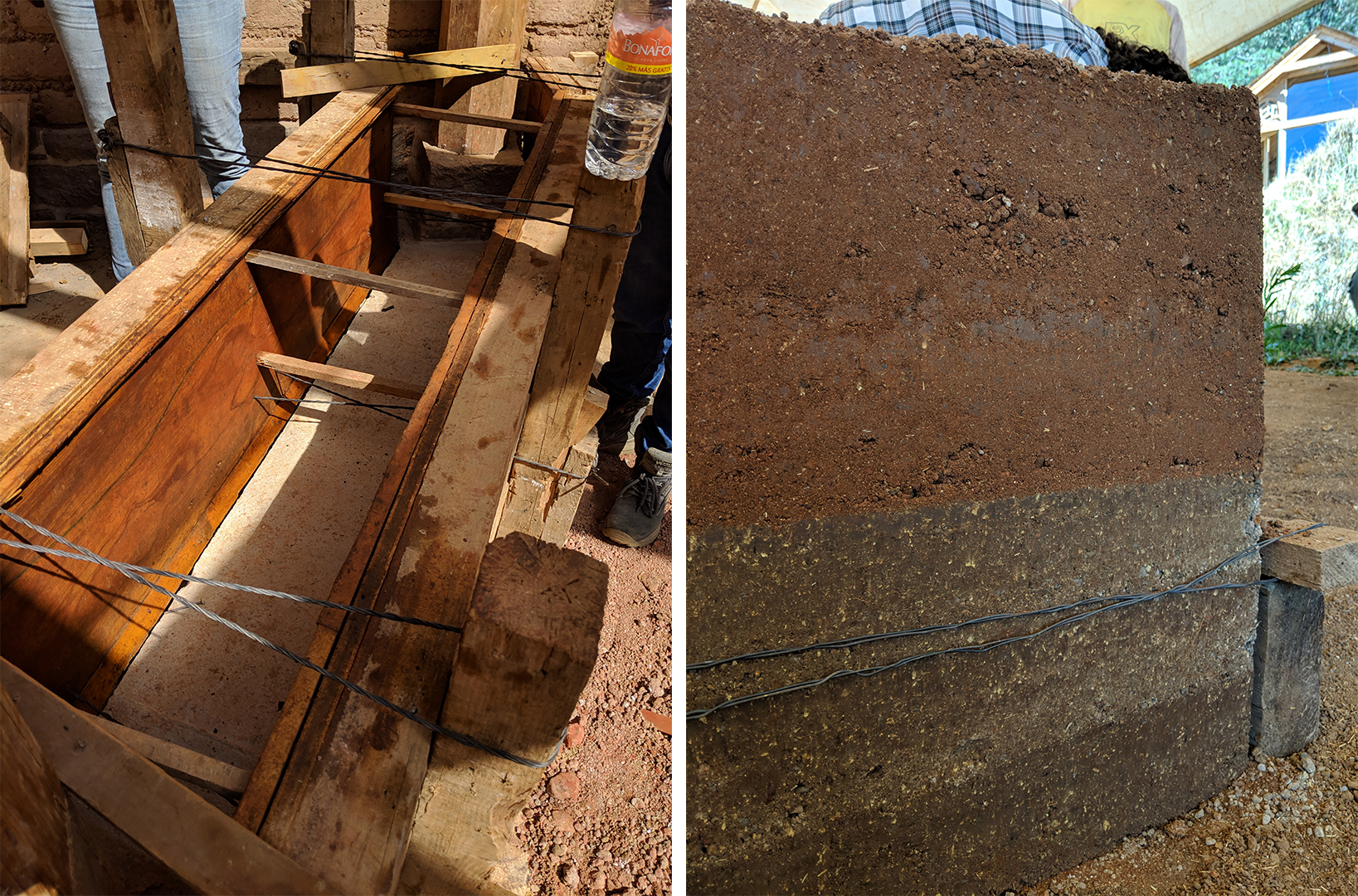
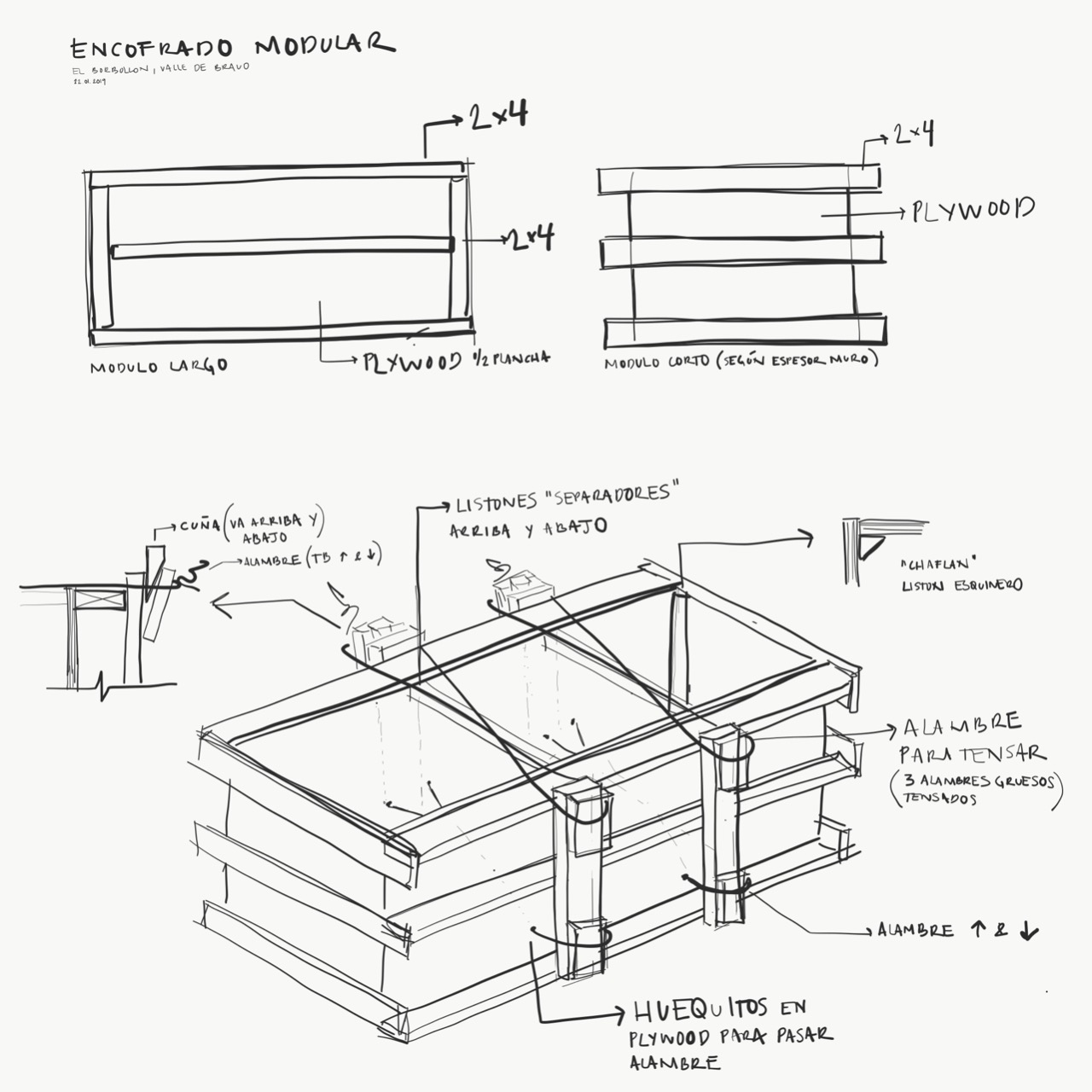
We learned how to make the formwork, mix the soil and tamp it like crazy. It is definitely hard work but doing it in a group makes it super bearable and when tamping, the compacted earth makes a special almost musical sound.
We toured projects made in wall and also in BTC (compacted earth blocks). We had the pleasure of being guided by Goal Filloy, He is the founder of Taller AF, super nice people, talented and generous with interesting information.
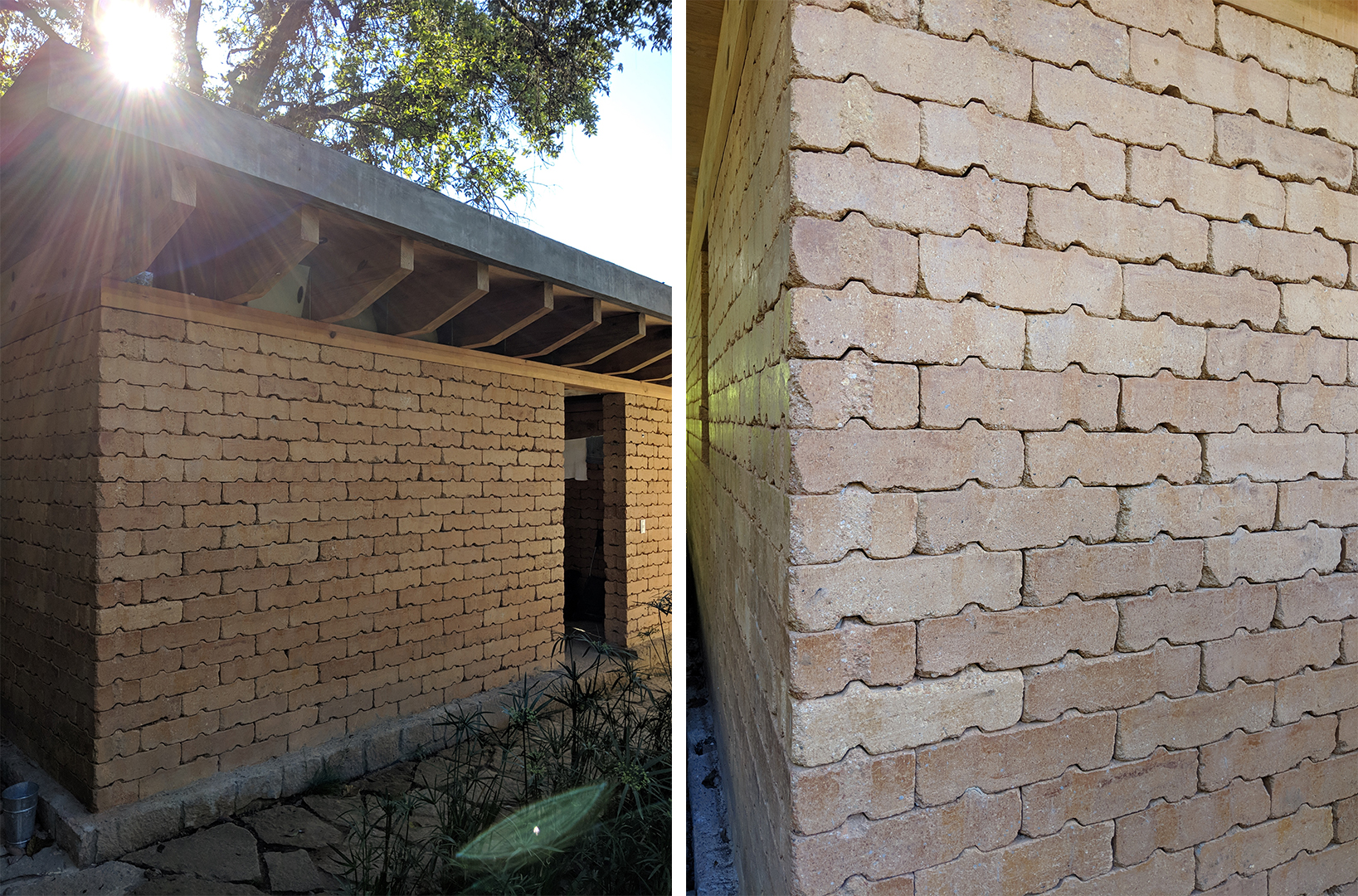
We visited Casa AC in Acatitlán, Valle de Bravo which had a small building with some BTC's with beautiful tongue and groove and also a guesthouse, a cube made of earthen wall.
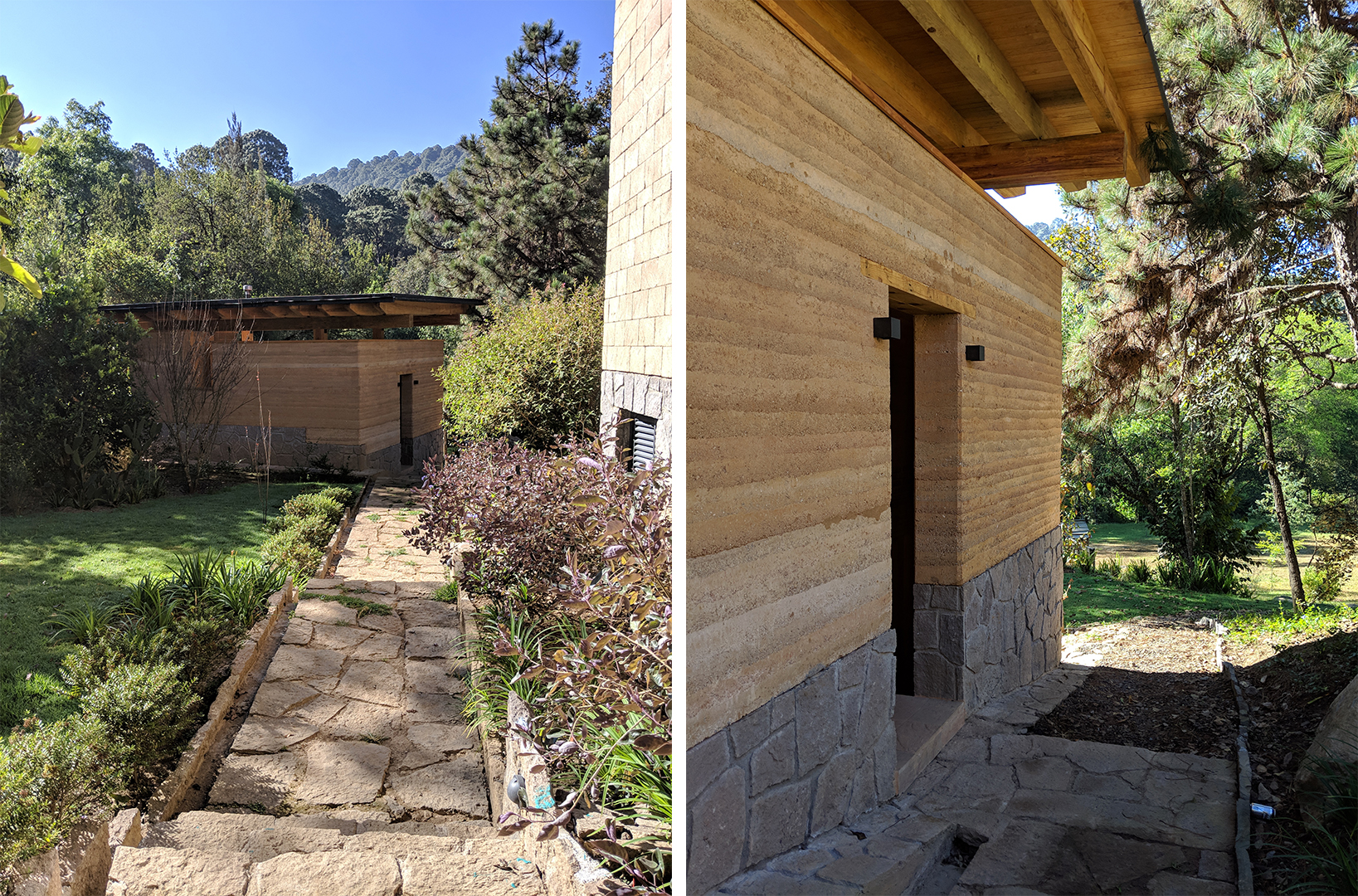
The wall in this cube house was made with layers of different tones which gives a spectacular effect. As the thickness of the wall is dictated by the height of the wall, the particularity of this house is to keep the height of the wall at 2.40mt (35cm thick), but in a two-story construction. So through the stone foundations and the openings in the terraces they were able to generate a cube of 6x6x6mt.
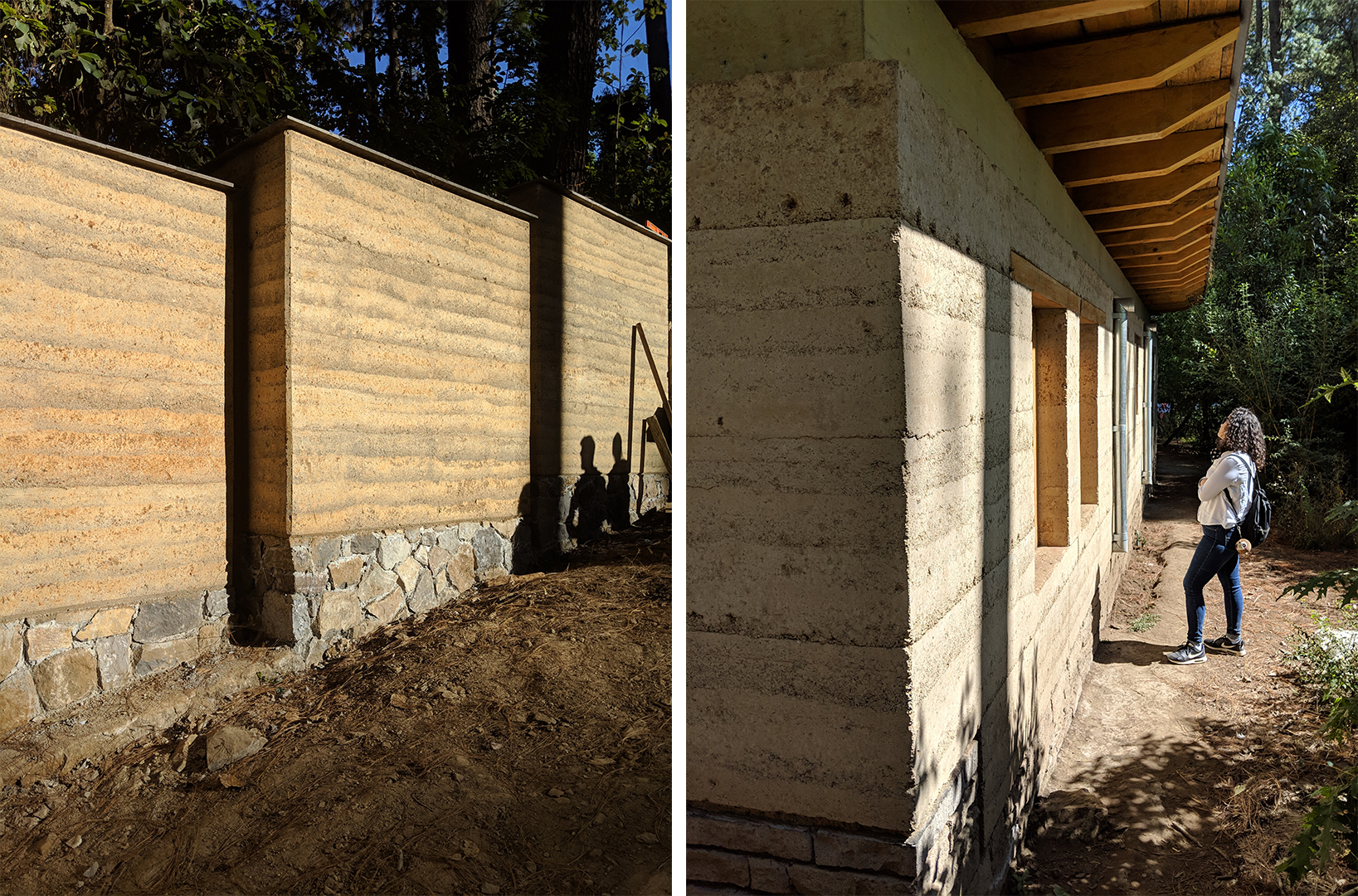
We then visited Reserva El Peñón, a residential development with regenerative concepts. Here we visited La Casa de Tierra, which was Taller AF's first project with a wall. A simple low budget house, but with a lot of design and style.

Reserva el Peñón was very interesting to learn about because it is a development of residential lots, but based on a detailed analysis of its natural surroundings. Its objective is to regenerate the ecosystem through a hydrological design that channels and captures rainwater, generating spaces for recreation, contemplation and leisure with biological and scenic value. An inspiration for what we want to do in the development of Torio Hills, so I came back home inspired to apply this type of methodologies in our Panamanian jungle.
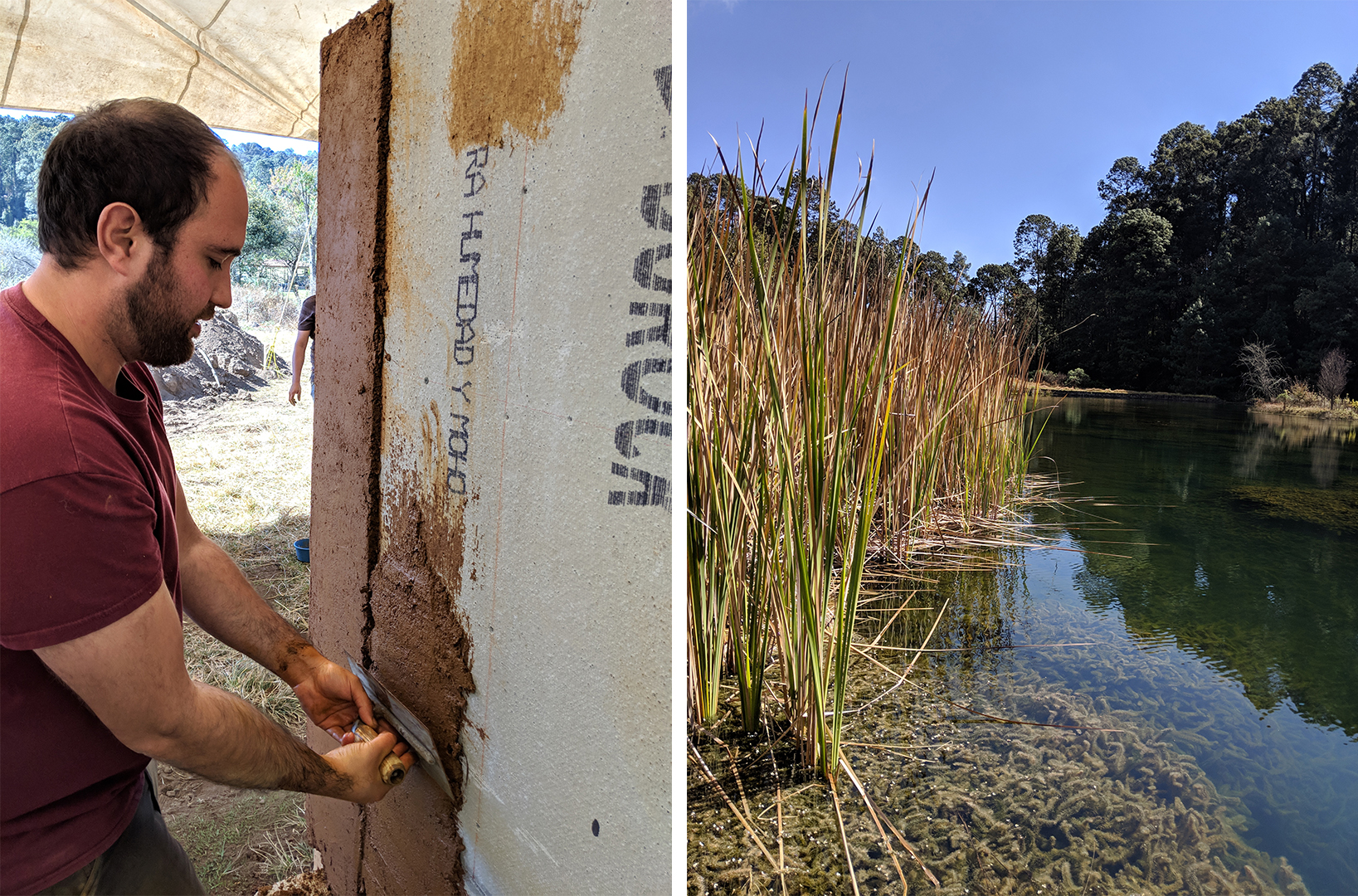
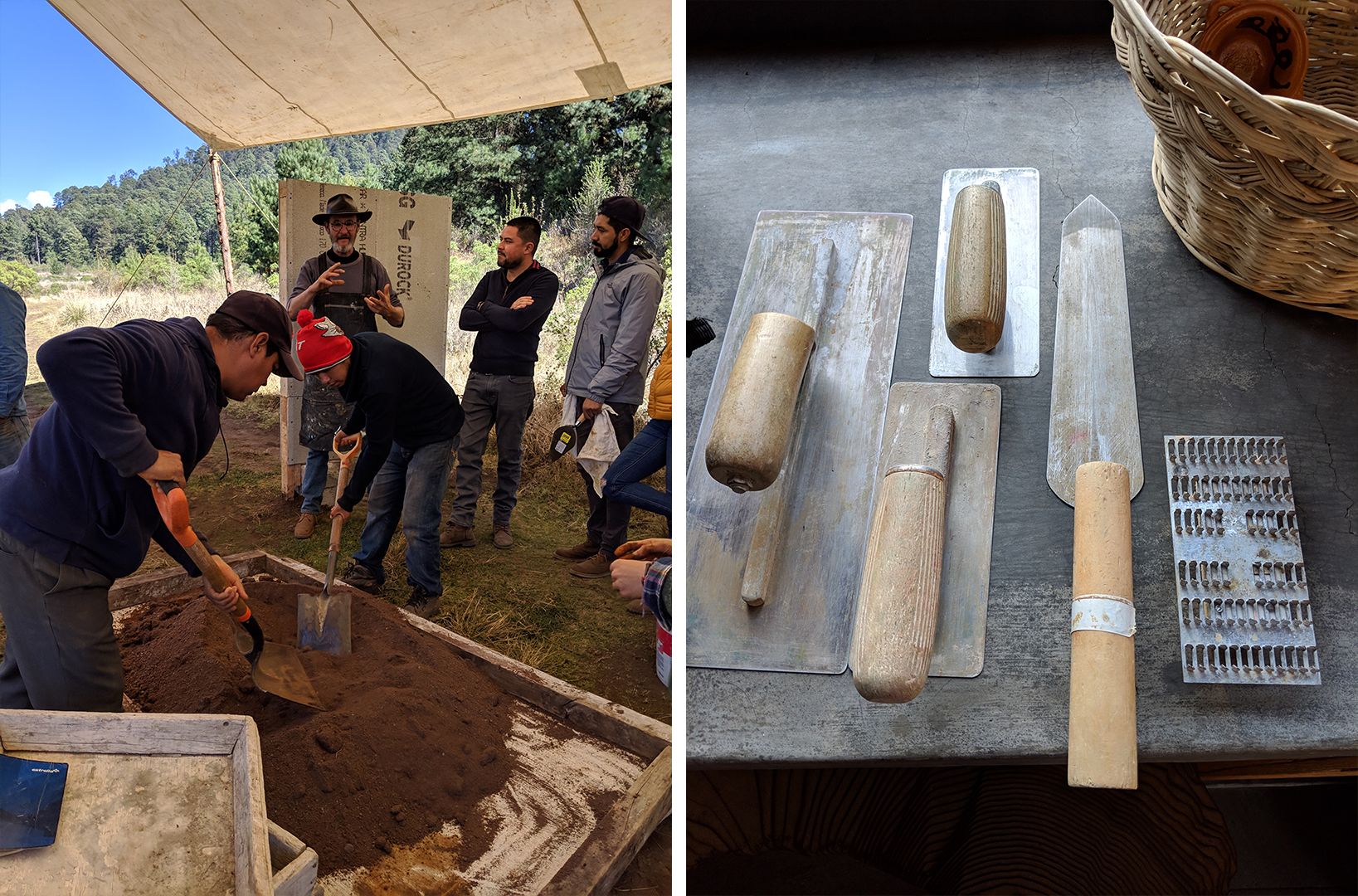
Besides touring this wonderful project, in this place we had our theoretical/practical workshop with the master Laurent Coquemont. This gentleman is an encyclopedia of information and an expert at all levels in the subject Earth. We learned techniques, materials, tools and much more. It was a few days full of information and hard work, but at the same time we realized that this is only a small introduction to these topics. There are very long workshops only focused on plastering. Now it's time to practice and if necessary, continue studying.
Most of the workshop participants were Mexicans, one American and two Panamanian colleagues. Alegre Saporta y Nando Sanchiz of Pentagrama. Our small Panamanian group came to the workshop thanks to Lina Samudio (who told me about the workshop, thank you very much!!!) and Andoni Iriberri, Panamanian civil engineer, resident in Taller AF and working for the Reserva El Peñón project, high level of people! Super grateful to have met them all and to have shared this experience.

Compacted earth walls is something that fascinates me. Its materiality, texture and warm colors; thermo acoustic properties and at the same time modern look because of its formwork. Since I moved to Torio, I wanted to experiment with this technique and this workshop definitely gave me a push in the right direction to feel more confident and try it out.
If you want to see more images of the workshop you can see in my highlights of Instagram is called Tapia Mexico and also see the hashtag #tallerdetierramexico