• HOME
  • PORTFOLIO
  • SERVICES
  • SHOP
    • CART
    • Terms and Conditions
  • BLOG
  • ABOUT

Rammed earth wall

November 5, 2025

Casa Nance – Rammed earth wall

Ever since I traveled to Mexico six years ago to participate in a workshop with the Mexican studio Taller AF, I had been dreaming about this construction system. I felt hopeful, and once back in Panama I began experimenting with what I had learned. But honestly, I wouldn’t have dared to offer it or attempt a wall without the arrival of my colleague Andoni Iriberri. Thank you for being and for being here.

These construction systems involve a lot of trial and error, so my recommendation is to always have an ally — a consultant or experienced professional — as it will save you significant time, effort, and materials.
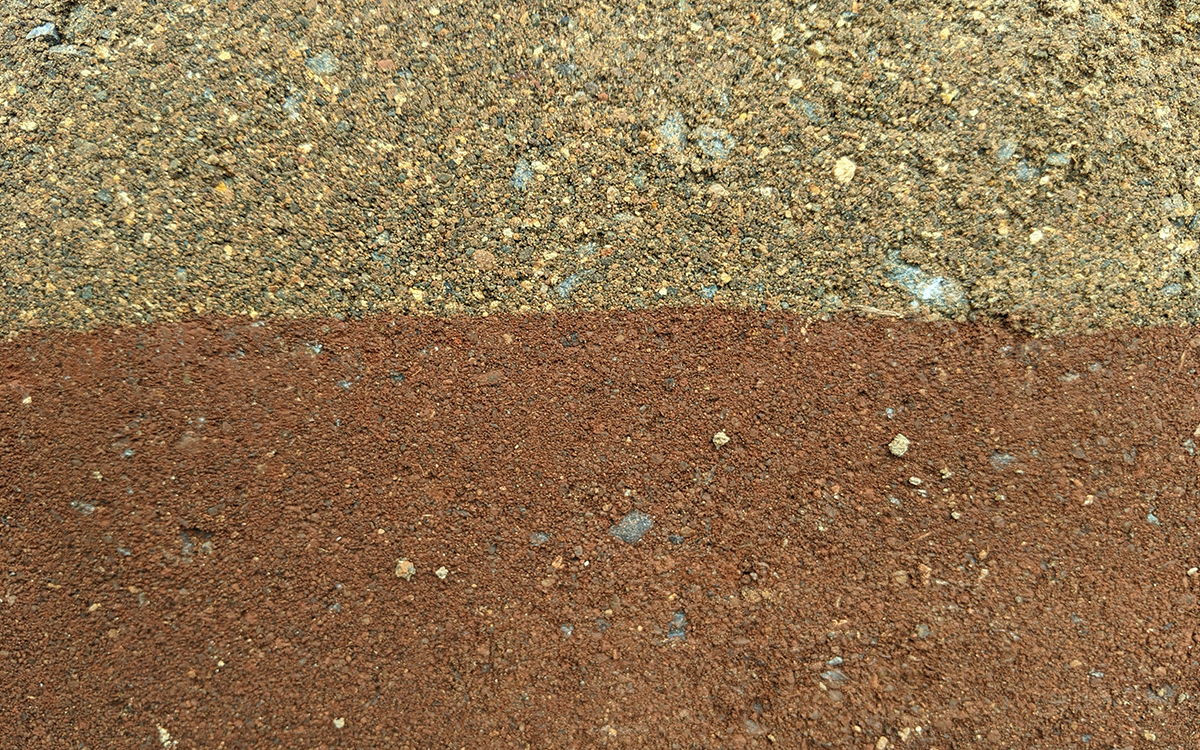
Casa Nance is my home, and it became the testing ground for this construction system. It was built in 2021. To begin sharing that project, I’d like to start with the rammed earth wall it features.

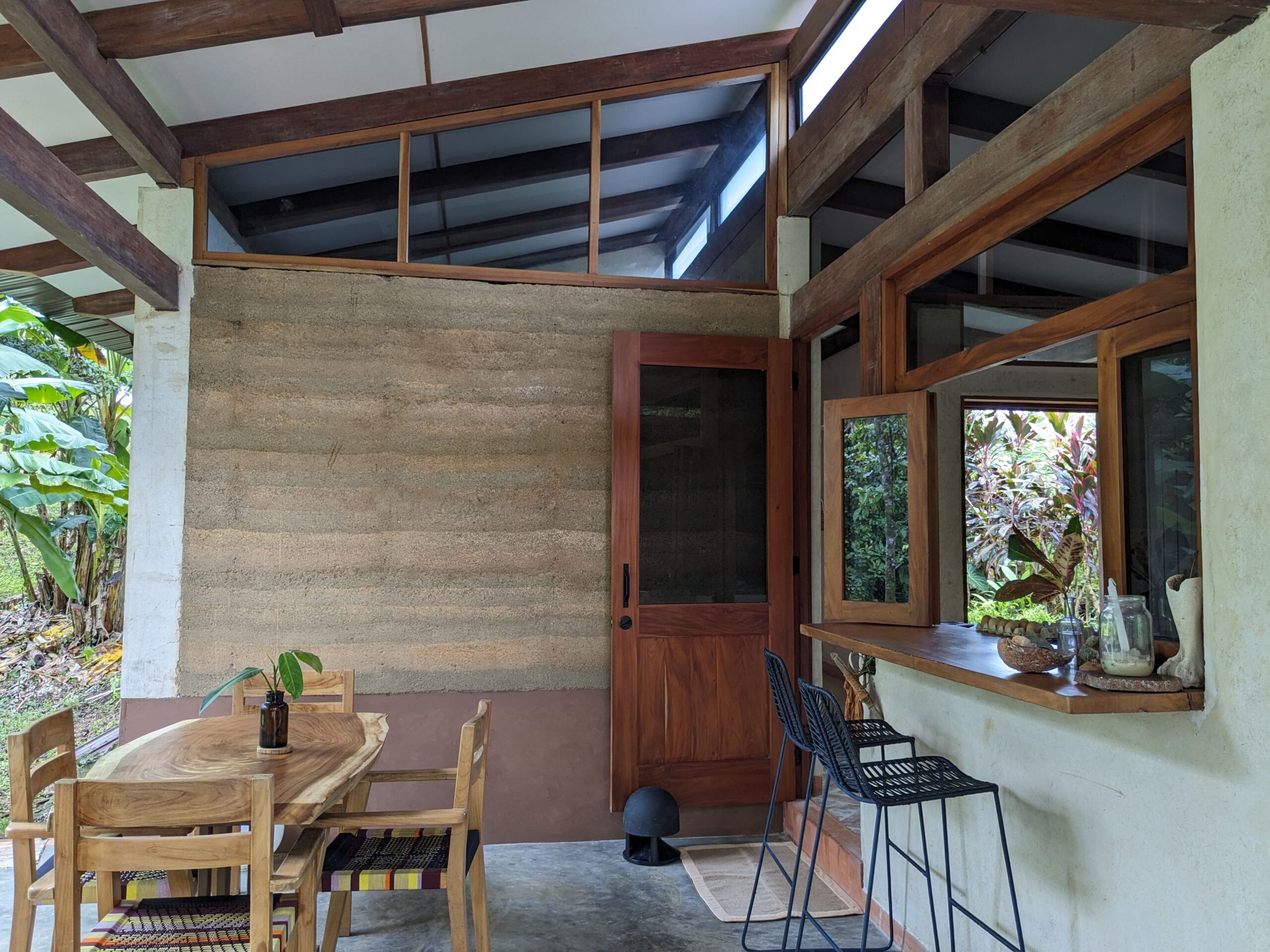
This wall is a decorative element that connects one of the bedrooms with the terrace/living area, allowing it to be appreciated in daily life. I’m not sure if it’s the first wall built with this construction system in Panama, but it might be — and I’m certain it won’t be the last.

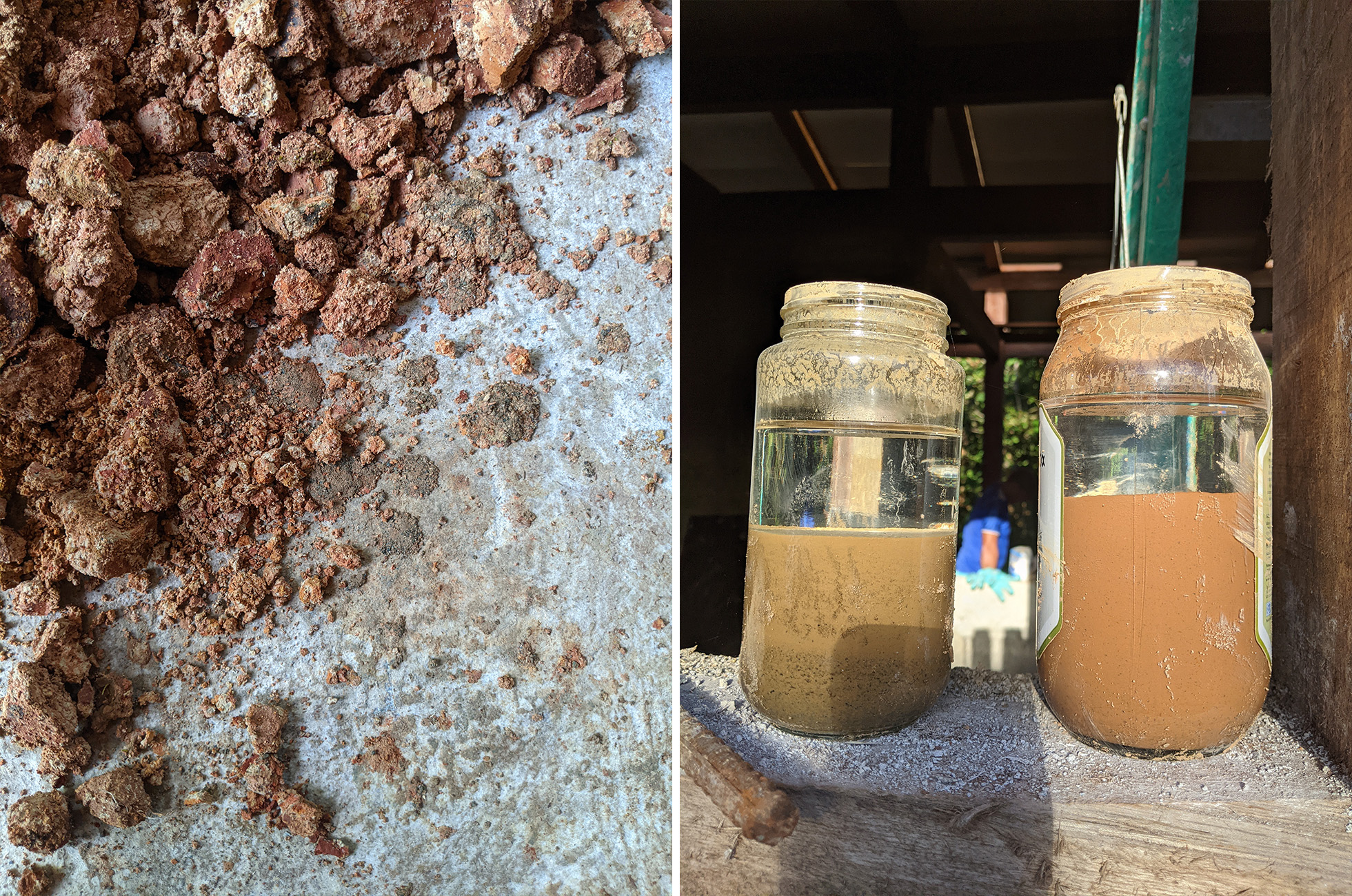
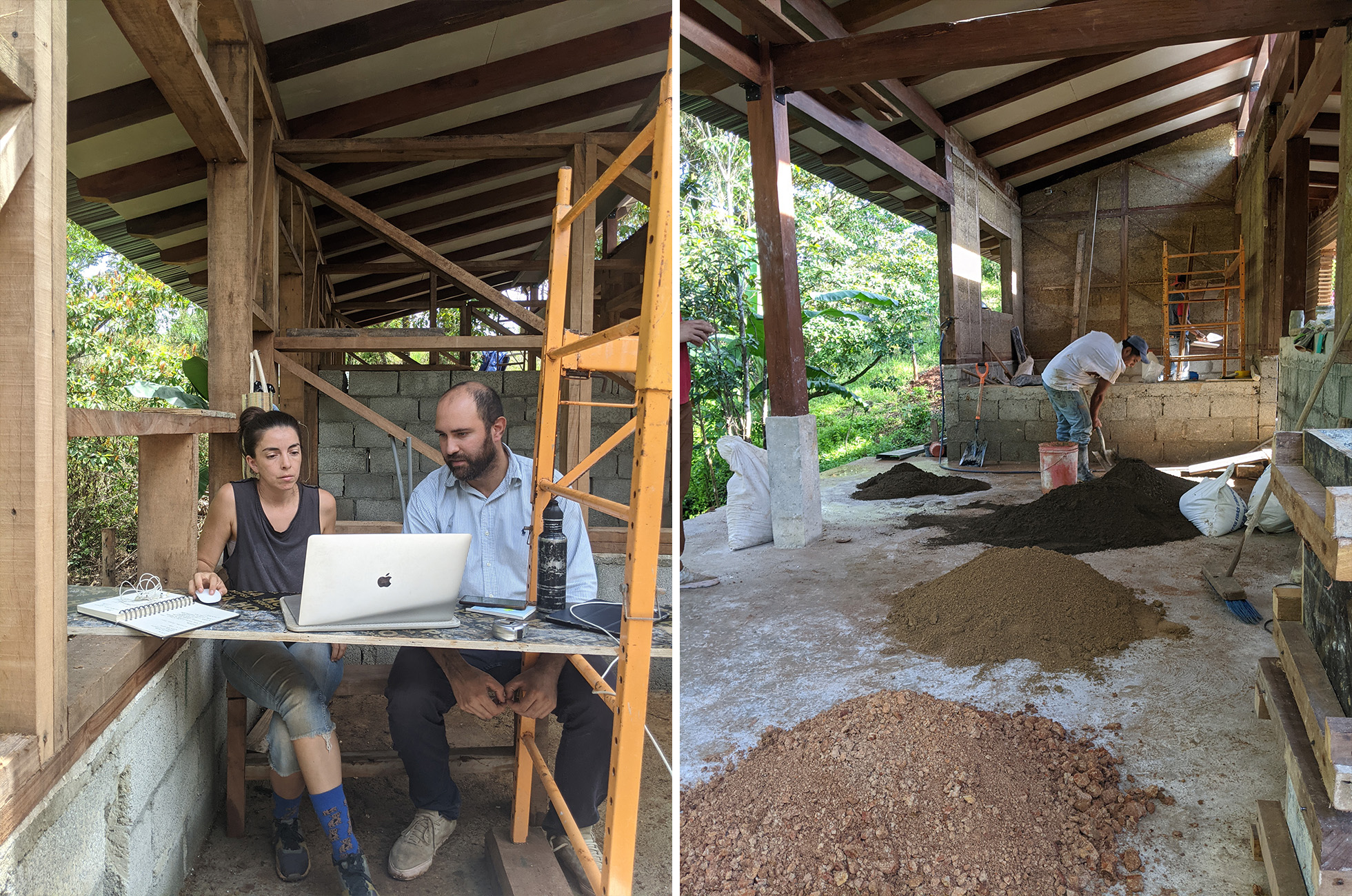
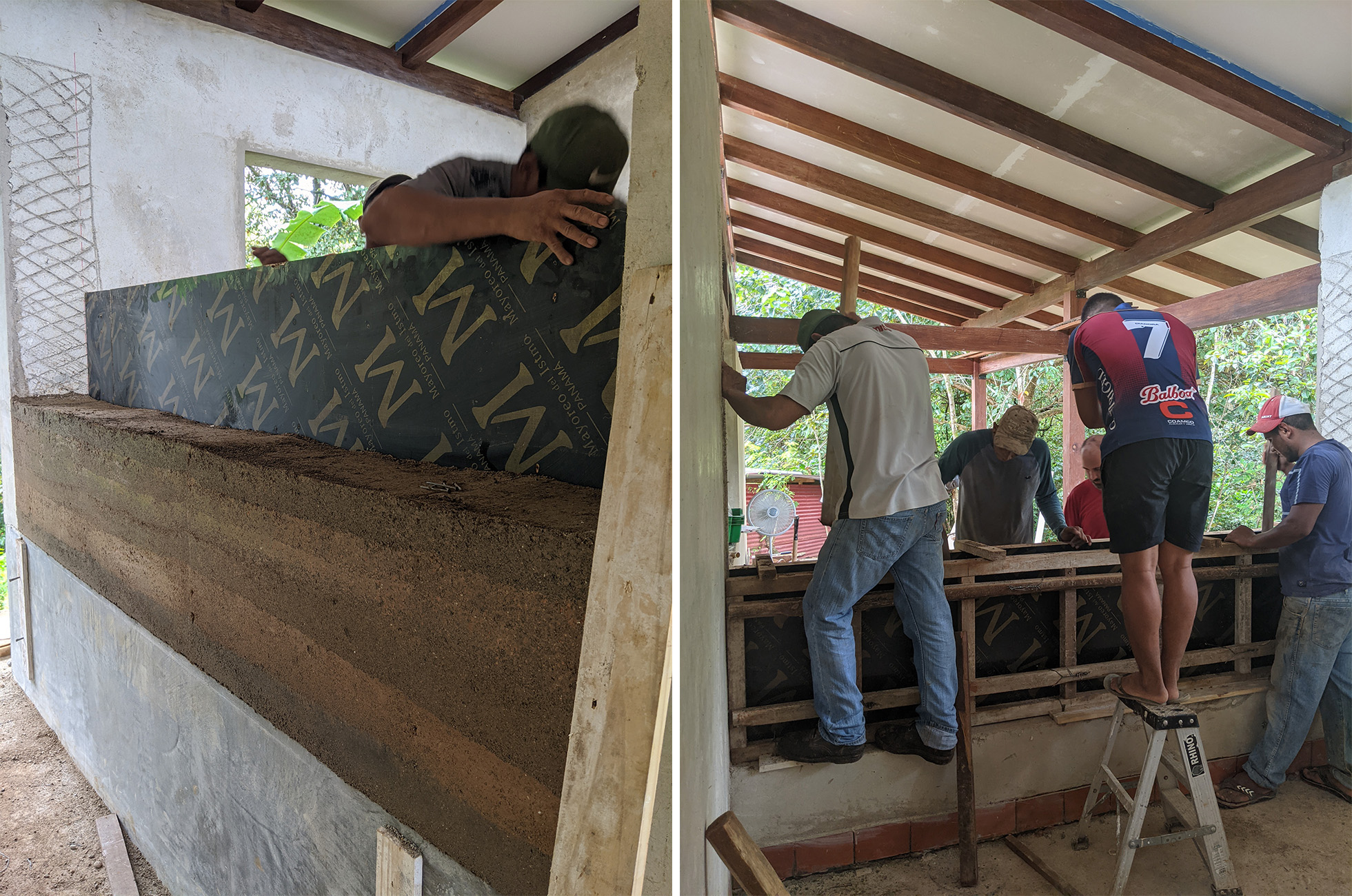
Since it was the first, the process was naturally slow. We conducted many tests with different material proportions and local clays. The formwork, assembly, and ramming process also became a learning curve for the local builders, who developed new skills throughout the construction.
Historic background

Rammed earth, also known as tapial, has been used in construction for thousands of years, with evidence dating back to the Neolithic period. Widely used — particularly in China — this technique was applied in both ancient monuments and vernacular architecture, including sections of the Great Wall.

Although interest in rammed earth declined during the 20th century, it has seen renewed attention in recent years, especially for its sustainability compared to more modern construction methods. Rammed earth structures use locally sourced materials, resulting in low embodied carbon and minimal construction waste.

Plataforma arquitectura – Lilly Cao
How its made

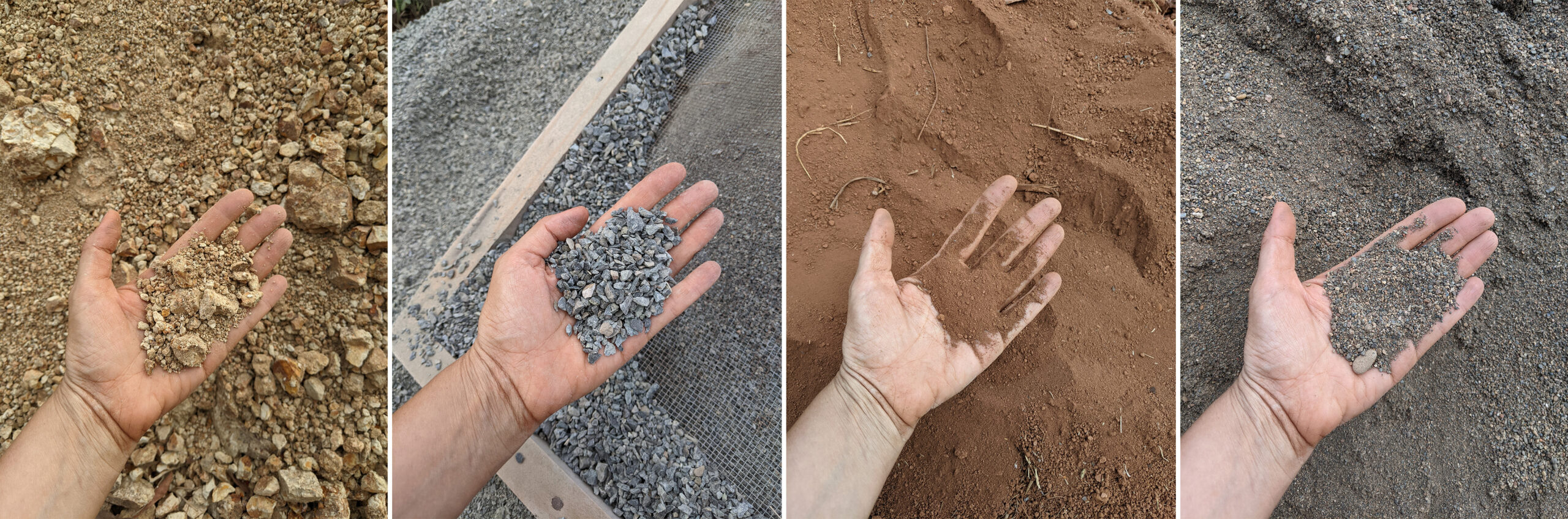
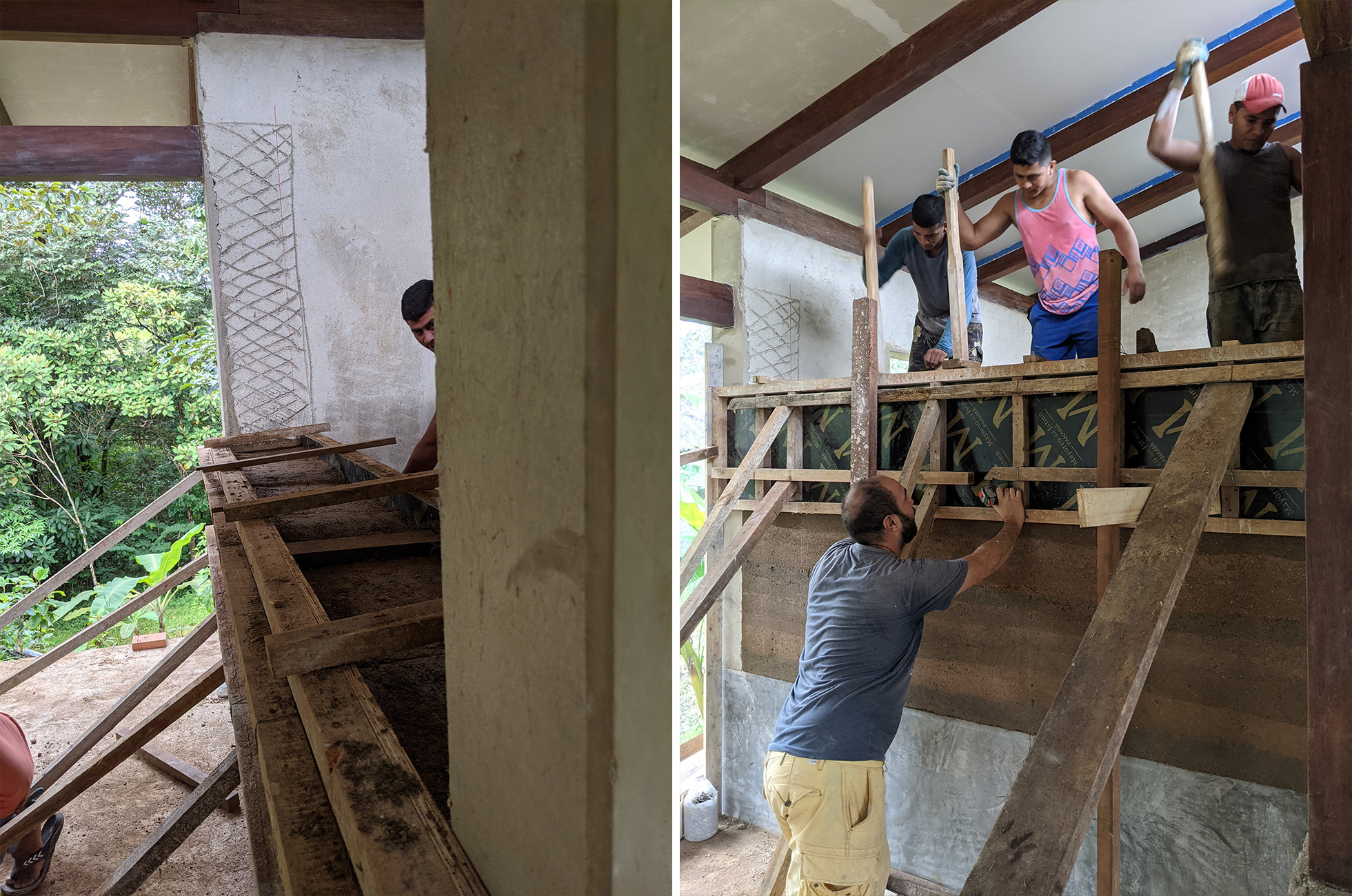
A rammed earth wall is built using formwork made of two well-braced parallel panels, which are raised progressively as the material is compacted. The mix typically consists of sand, gravel, clay, and a stabilizer — in our case, we used small amounts of lime and cement in a very low percentage.

The mixture includes a small amount of water to moisten it, but it remains relatively “dry.” After placing the mix to a certain height, it is compacted using wooden tampers (a pneumatic tamper can also be used), reducing the material to about 50% of its original height.

This process is then repeated layer by layer until reaching the desired wall height, reusing and lifting the formwork as construction progresses.
Benefits of rammed earth

Some of the benefits of this construction system include its appearance. The visible layers of earth create a beautiful natural texture, and different colored clays can be used — even shaped — to achieve a unique look.

The materials for this type of wall can usually be sourced locally (although testing is always necessary). If the structure is ever demolished, the earth from the wall can be reused, making it a highly sustainable option.

Rammed earth also offers high structural capacity, durability, and good resistance to humidity — though not to direct rain. These walls must be protected under roofs and generous overhangs to ensure long-term performance.
It excites me to encourage these practices among local Panamanian builders, helping local architecture move toward more sustainable approaches while creating new trades that foster creativity and innovation.

Using renewable materials sourced locally opens the door to bioconstruction for everyone, creating a beautiful virtuous cycle — encouraging the planting of timber species and bamboo, protecting natural resources, sharing knowledge, and ultimately living in homes that are cooler, more beautiful, and healthier.

We will continue experimenting here and sharing knowledge, in search of continuous improvement — guided by intentions that move away from purely economic goals and toward a more collaborative, regenerative, and holistic approach.
Share

Facebook Google+ Twitter Pinterest Email

Artificial Wetland for Wastewater Treatment

March 31, 2022

This text is to share my new experience with the artificial wetland I have at home, used as a secondary treatment system for blackwater and greywater. We implemented it in December 2021.

Commonly, in rural areas like the one where I live, a septic tank is used followed by a soak pit. This is a tank where solids are separated, and then the water travels to an underground space filled with stones where the liquid waste drains into the subsurface. Although this is permitted by regulations, it is not the most sanitary solution, because these wastes — such as micropollutants — can still filter into groundwater.

I believe each of us has the responsibility to be as careful as possible with our waste. It starts with recycling, reusing, making compost, etc. But it doesn’t end there. Part of my purpose at this stage is to be active in these topics and to inspire anyone who reads this — and anyone planning to build a house — to not hesitate to incorporate these systems.

An Artificial Wetland

“Eco-technological and biological, designed to imitate the processes of natural wetland ecosystems, they stand out as a potential alternative or as a supplementary system for wastewater treatment.”
United Nations Human Settlements Programme (UN-HABITAT), 2008

It is a shallow pool, filled with substrate and planted with aquatic vegetation resistant to water saturation. Wastewater enters the pool and flows through the substrate and the roots of the plants, and is discharged at the outlet into an inspection chamber, where you can also regulate the water depth inside the wetland.

The water that exits at the end of the wetland can be reused for irrigation in the garden, which is great because in Panama there are four months each year without rain. During that time, being able to water your plants without using potable water — which we need to take care of — is ideal. Soon we will be installing a rainwater harvesting system, which is also something I recommend, and something I wish I had done from the beginning in my house, but that’s how we learn. The positive side is that you can always modify and add it later.

My system

The system we have consists of a biodigester (similar to a septic tank but with additional ecological factors) as primary treatment, and then the water flows into our artificial wetland.

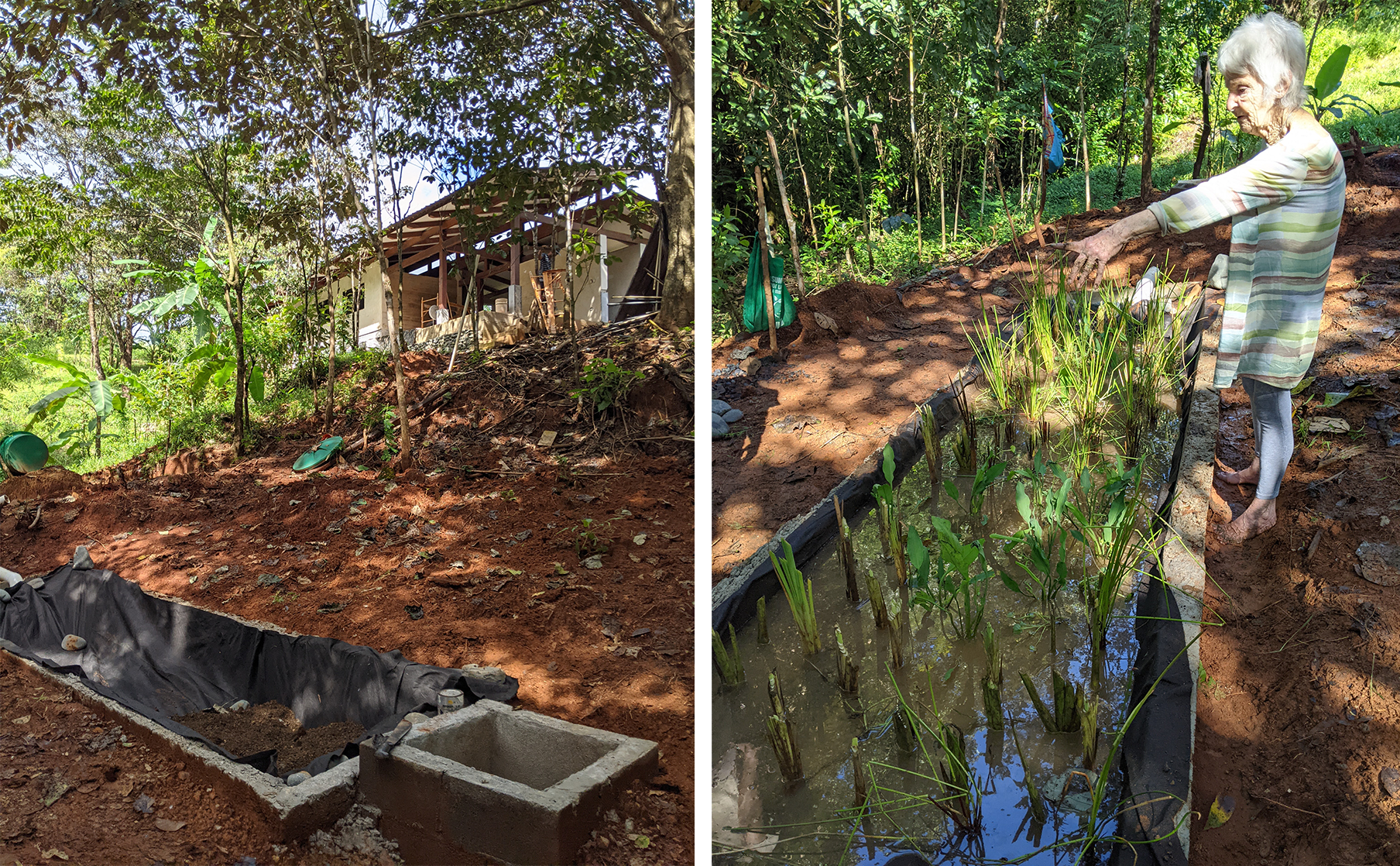
Our wetland is a rectangular-shaped pool with a relatively shallow depth. The dimensions and system were designed by engineer Andoni Iriberri from Aparato A. This is necessary to determine the size of wetland you need and how many plants should be planted for proper functioning.

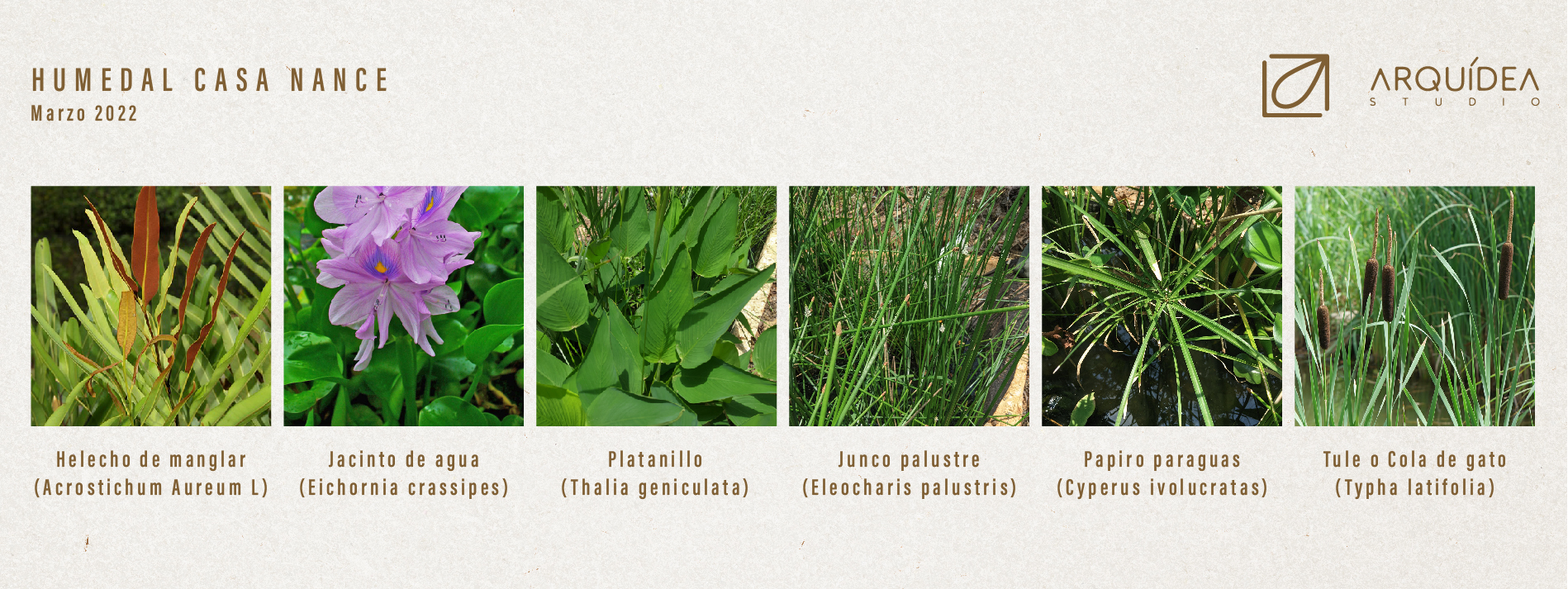
The pool has a layer of gravel at the bottom, then a geotextile covering the base, and is filled with a substrate made of natural compost mixed with coarse and fine sand. We planted aquatic vegetation found in natural wetlands in the area.

From the beginning to today — the stabilization process

Once the pool was built, with its layers in place and the substrate added, aquatic plants were collected from natural wetlands in the area. They need to be plants with strong roots and/or rhizomes, since the roots are what work to clean the water. We then planted them with the help of Jenny and Bruce, neighbors with enormous hearts who wanted to help. Something very valuable about the place where I live is how much the community helps one another, especially when it’s time to get hands in the soil. After planting, we opened the water and let it fill to the desired level.

When the wetland started, it became populated with mosquito larvae — thousands of them — and many tadpoles, which later grew into frogs, and we had a festival every night with the little frogs (Túngaras). The mosquitoes apparently never grew to adulthood and were all eaten, because they never bothered us in the house. We also introduced some small fish that my neighbor Ray gave me, and to this day they have their little family at the cleanest end of the wetland. They are tiny, in different colors, and very beautiful.

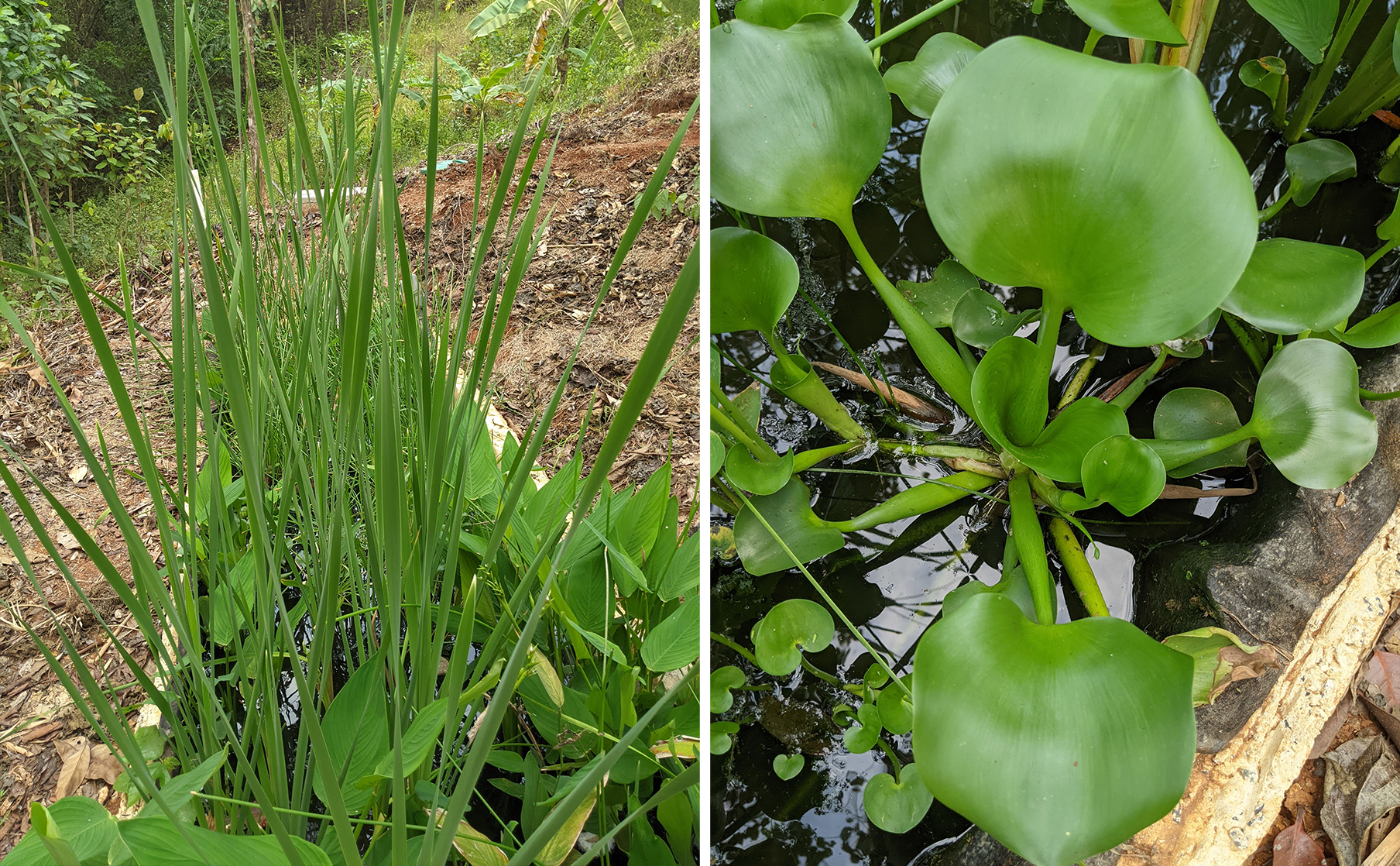
Three months have passed. The wetland is full of life, the plants are thriving and reproducing, and there is still more progress ahead. Every day I see new species of insects and a great deal of diversity. I have been introducing more plants where some didn’t take, and also cleaning dry leaves that have fallen. I’ve been told it takes about four months to stabilize, and I hope that’s the case, because at night, when the air cools down, sometimes there is an aroma of wastewater.

I think the main issue with this wetland — and perhaps a “con” we can observe — is the number of little frogs singing at night. It’s beautiful to listen to them, but living with them every day can be a bit difficult, especially when it’s time to go to sleep. They keep the party going until around midnight. We’ll give it some time for everything to stabilize, for the rainy months to arrive, and then evaluate the next steps. One possible solution would be to raise the water level so the substrate and the water are at the same height. Right now there are about two inches of standing water.

I shared a reel on my Instagram where you can see the wetland in video.

I hope you enjoyed this, and let me know if this is something you’d consider doing in your own homes. In a few months I’ll share a follow-up post.

Update — 2026

A few years later, I wanted to share an update on how the wetland is performing today.

The singing frogs are no longer an issue. A couple of years ago, following a recommendation from the district health inspector who visited, we topped off the wetland with an additional layer of sand. This helped reduce the open water surface and improved the overall balance of the system.

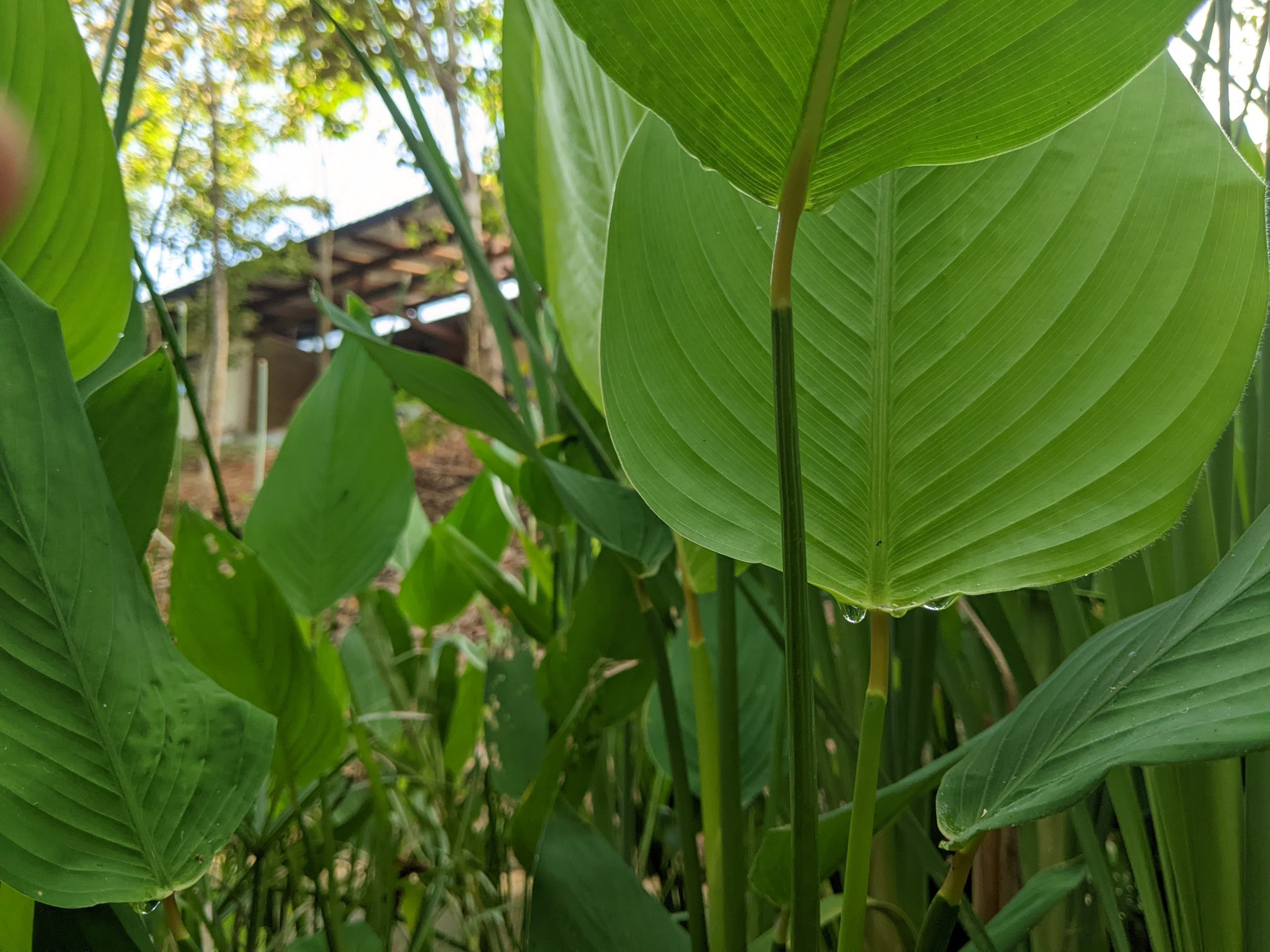
We also adjusted the planting strategy. Today, the wetland includes local Dieffenbachia that naturally grow in nearby creeks, along with papyrus. Both have deep root systems and are doing very well. The plants are thriving, and the wetland feels more stable and integrated into the landscape.

Over time, the system has matured, requiring very little maintenance while continuing to function as intended. It has become a quiet, living part of the garden — still full of life, but much more balanced than in the early months.

Share

Facebook Google+ Twitter Pinterest Email

Bamboo Culture Torio

February 28, 2020

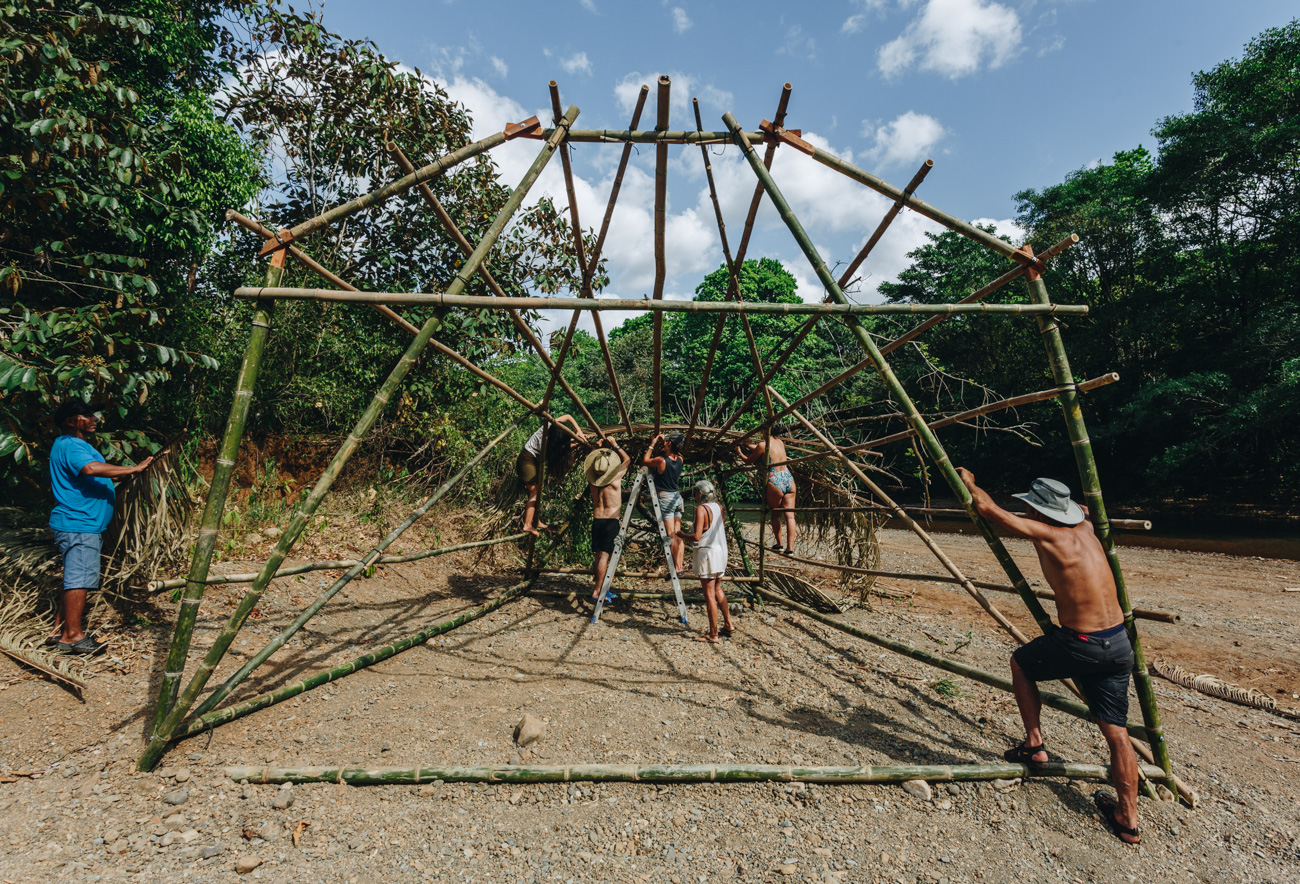
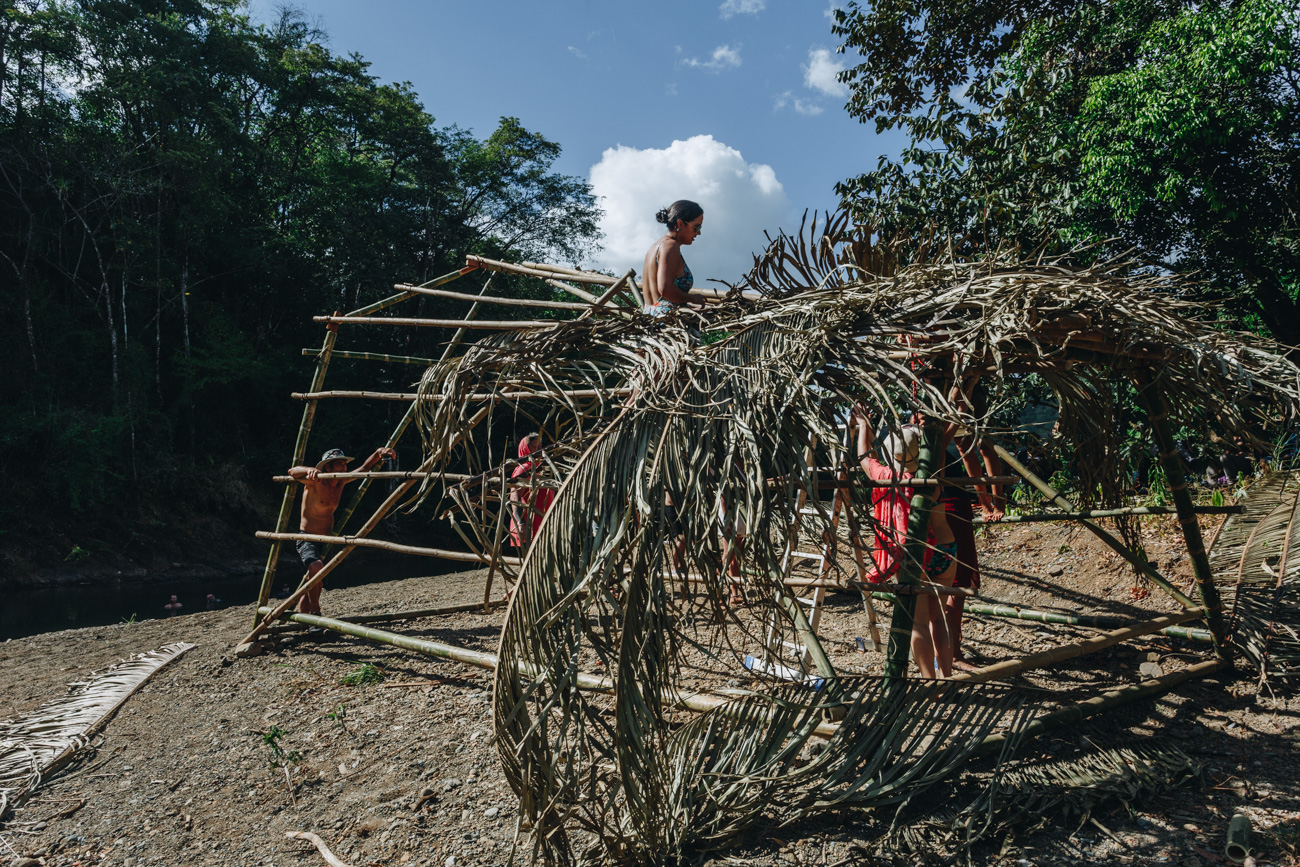
En enero 2020, tuvimos el agrado de apoyar en un taller practico de bambú en Torio, Panamá.


La idea inicio cuándo conocimos Henry Glenn en Punta Mona, Costa Rica. Sentarse a hablar con el sobre bambú fue fascinante y coincidió que el Torio tenemos mucha curiosidad y ganas de usar este material y que el tenia ganas de venir a conocer Panam. Entre conversa y conversa, decidimos seria excelente idea hacer el taller. Vino a visitarnos en Octubre del 2019 para tratar algunos de los bambús que teníamos en Torio. Al venir, se dio cuenta de que muy poco bambú teníamos y me dijo muy confundido, por qué quieres hacer un taller donde no hay bambú?

No me mal entiendan, en nuestra region hay bastante bambú, solo que no es la clase del bambú con que se construye. Aprendimos que hay cientos de especies de bambú y que cada uno tiene sus usos específicos. Nuestra region se caracteriza por tener mucha Bambusa Vulgaris, o Hawaian Golden. Es un bambú muy grande, amarillo con una franjita verde, que se usa más que nada para estructuras temporales, hacer muebles y artesanía.

Por un momento nos sentimos desanimados, pero luego decidimos hacer el taller de todos modos. Henry tiene en Costa Rica muchos años de experiencia compartiendo conocimiento, y promoviendo la cultura del bambú. El bambú es super versátil. Desde hacer té, y usar como utensilios, hasta construir toda tu casa. Así que expandir el conocimiento en una area donde poco se usa o sabe del material, era muy buena idea. De esta forma, cuando iniciemos a propagar y sembrar de esta maravilla, lo haremos de buena manera. Tomando en cuenta lo aprendido en el taller.

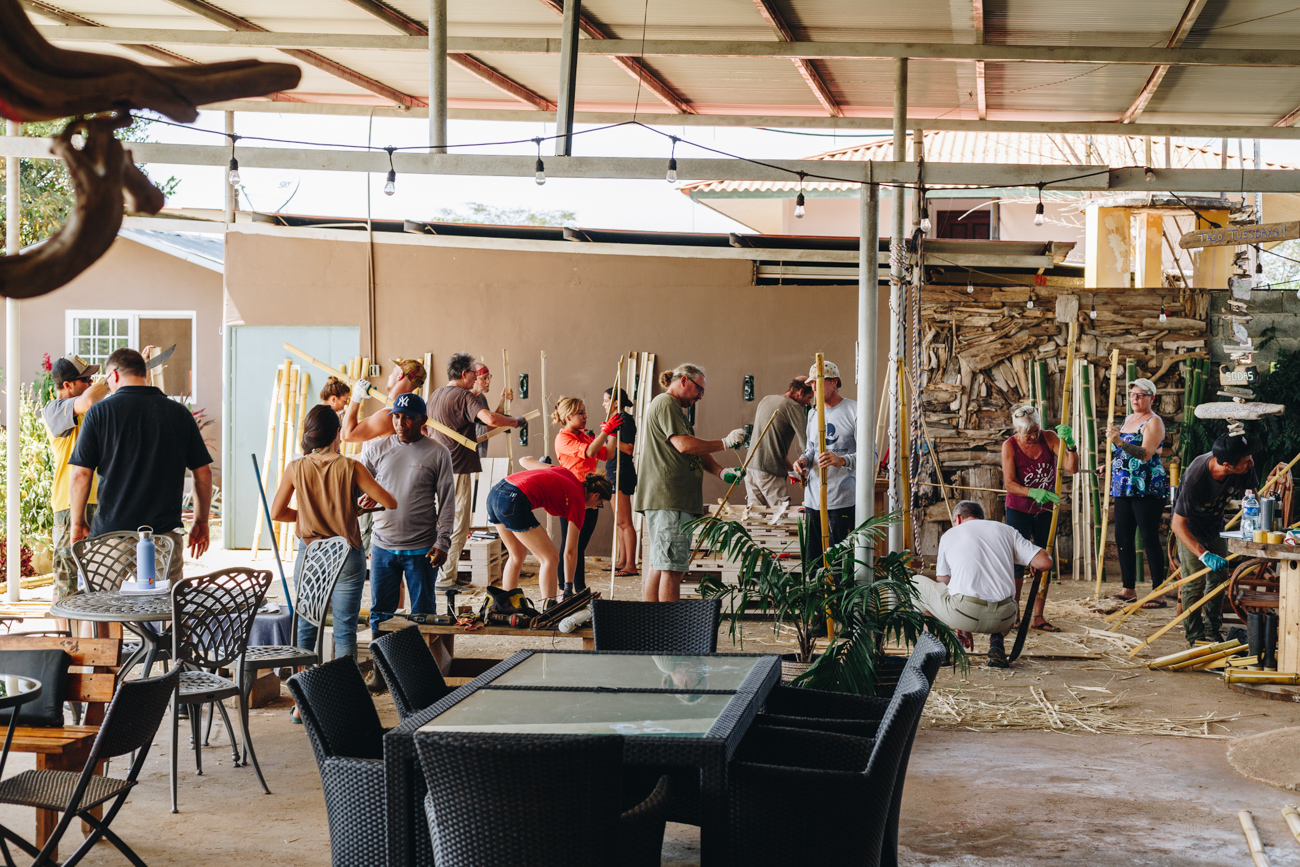
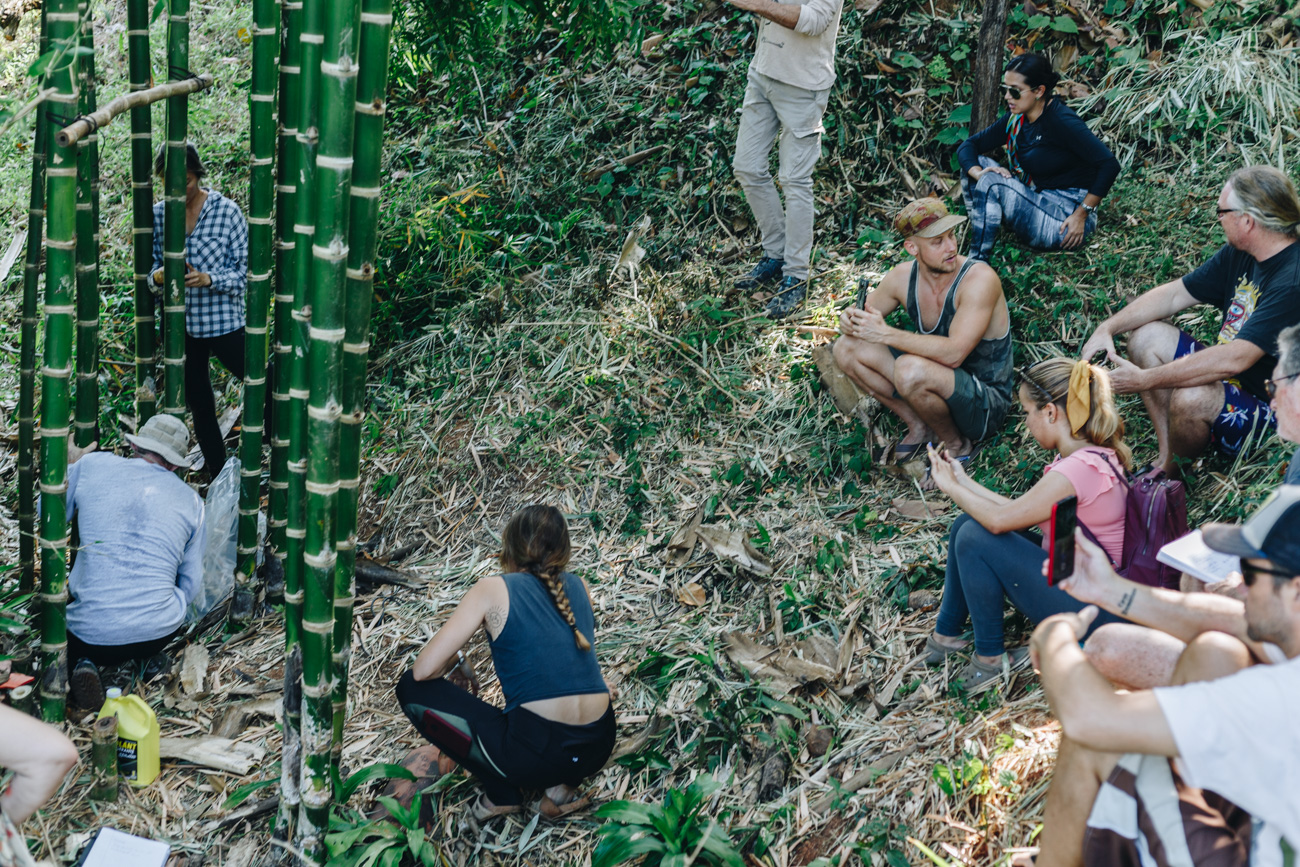
El taller tenia la intención de ser más practico que teórico. Que todos tuviesen la oportunidad de tocar y manipular el material de diferentes formas. En general fue excelente. Henry vino acompañado con sus dos socios de Finca Bamboo y fueron una super ayuda. Por nuestro lado, fue mucha corredera y logística pero la experiencia fue excelente.

Este sera el primero de muchos talleres por venir sobre bioconstrucción. En Arquídea estamos siempre pensando en maneras de hacer la transición de materiales convencionales a materiales vernaculares, así que atentos a más talleres por venir.

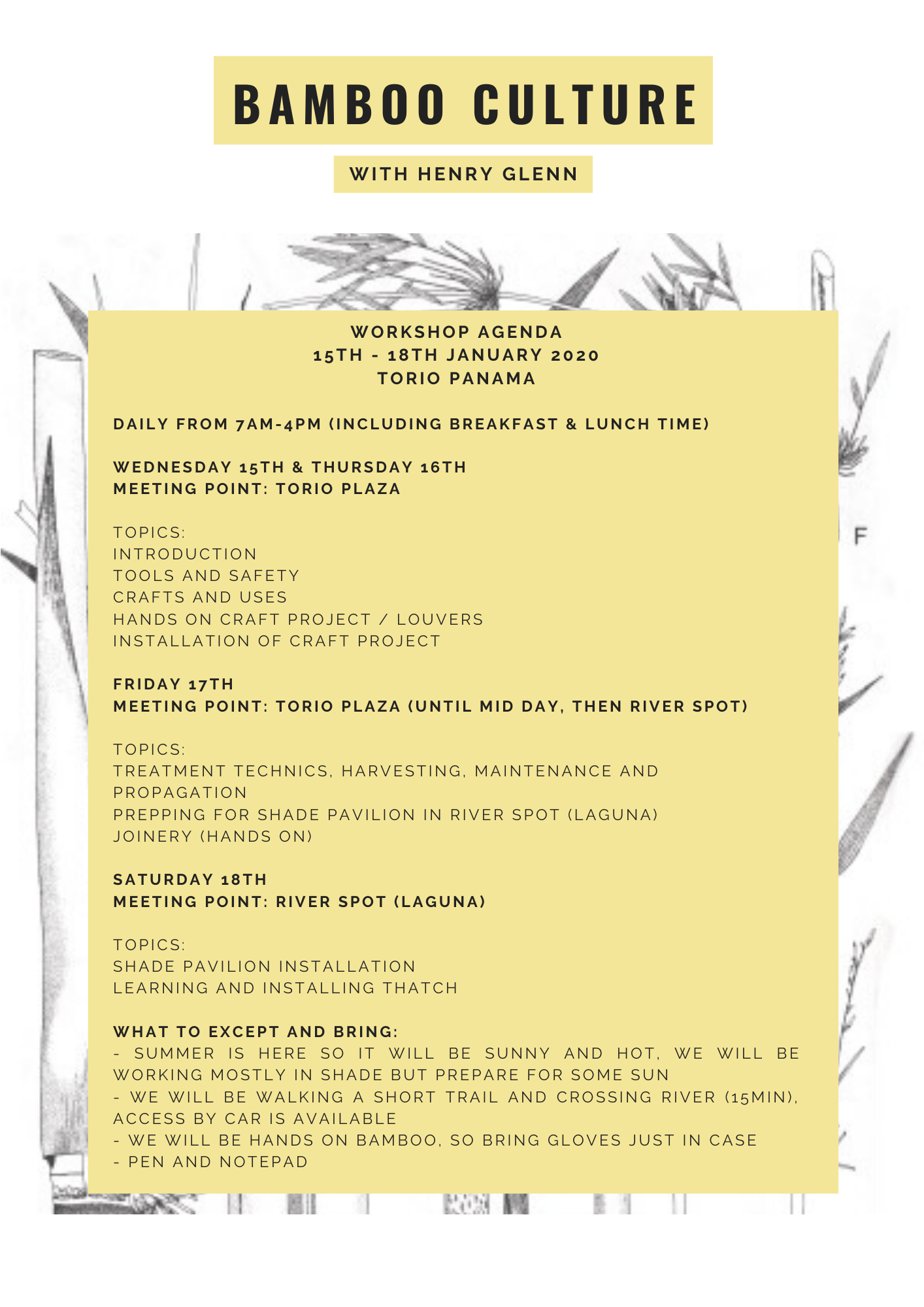
Temas cubiertos en el taller:

– Introducción a las especies y usos

– Mantenimiento y propagación del bambú

– Conservación del bambú

– Artesanías de bambú: persianas, tejido y tallado

– Carpintería

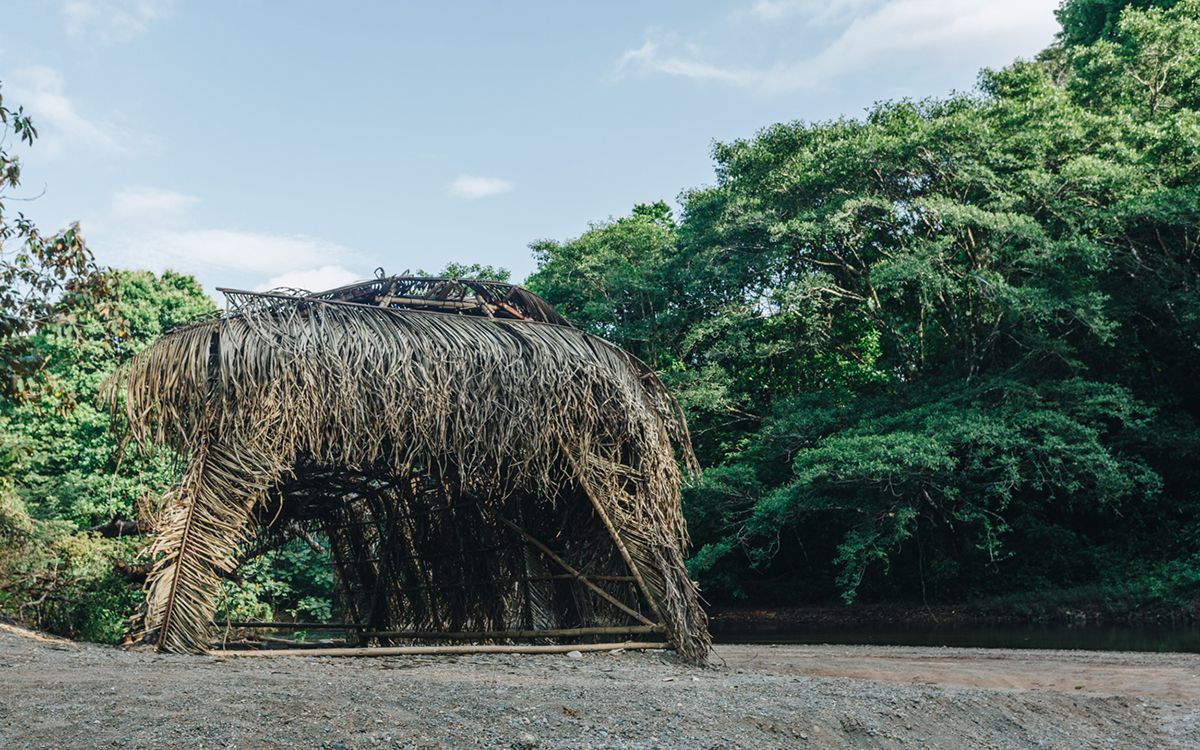
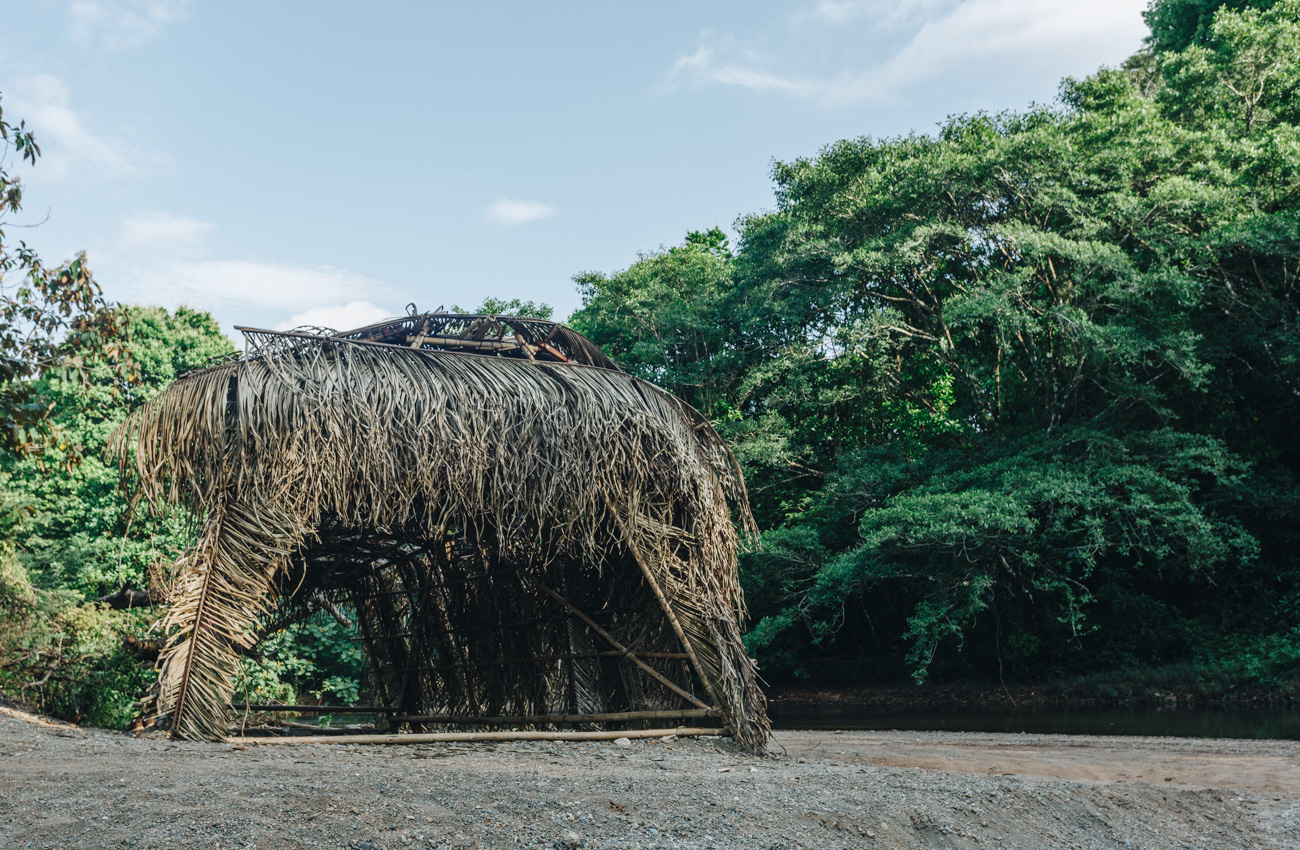
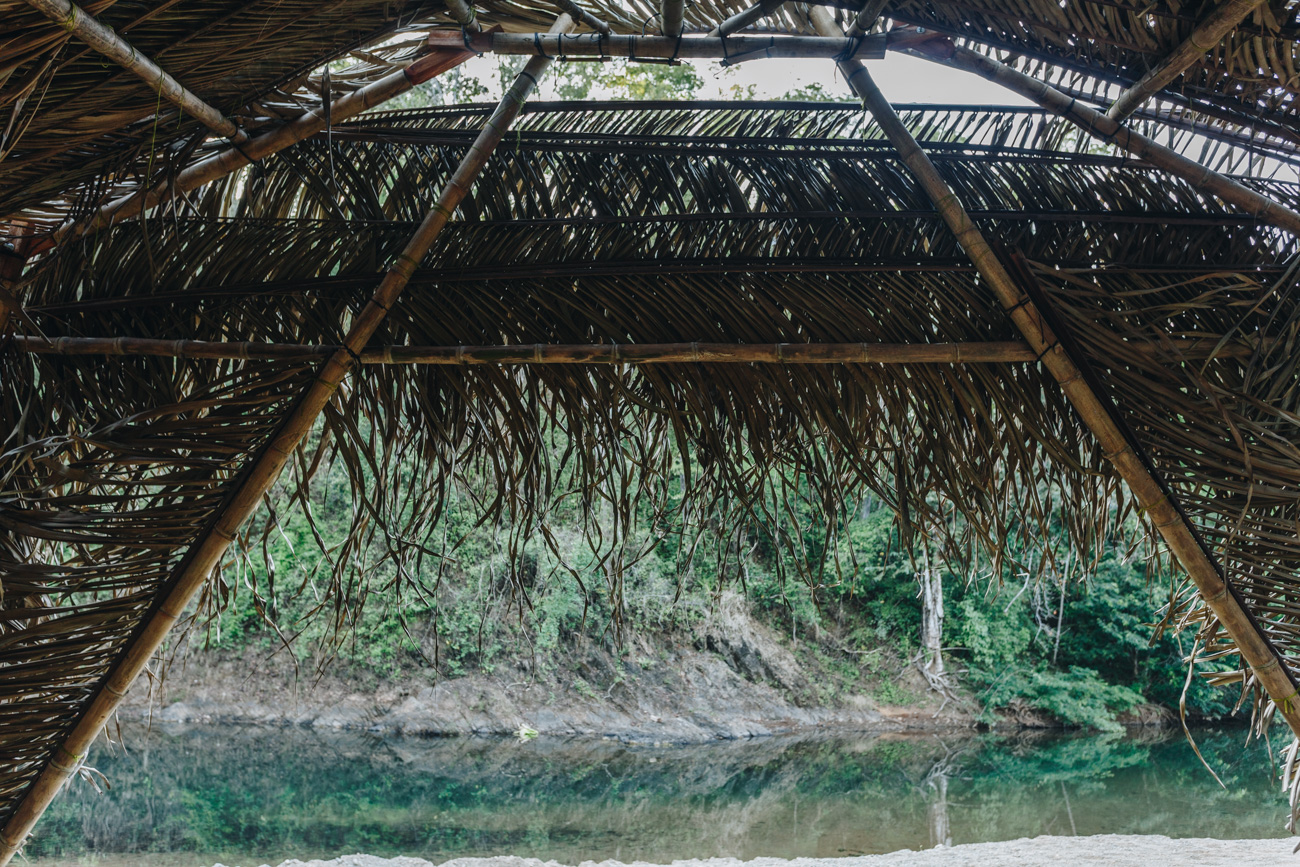
– Construcción de un pabellón de sombra de bambú

Una reseña del profesor::

Henry Glenn

Cofundador de la “Finca Bamboo” ubicada en el Cuervito de Pavones en la región suroeste del Pacífico de Costa Rica, Henry Glenn es un Educador de Bambú, Innovador, y promotor de la marca “Cultura del Bambú de Costa Rica”.

La cultura del bambú en Costa Rica reconoce y honra la versatilidad, las fortalezas innatas y las cualidades de uno de los recursos regenerativos más hermosos del mundo. Se compromete a apoyar la integridad de nuestro medio ambiente natural (o nativo) mediante el uso del bambú en todas sus formas creativas y sostenibles.

Durante más de 20 años, Henry ha estudiado y cultivado más de 100 especies de bambú y tiene experiencia trabajando con este material elegante, resistente y adaptable para crear todo tipo de estructuras prácticas, herramientas y accesorios para la vida diaria, e incluso para la alimentación.

En los últimos 5 años, Henry y el equipo de “Finca Bamboo” han refinado varios sistemas de soluciones de tratamiento que permiten tratar el bambú según la ubicación y las aplicaciones. El sistema de tratamiento “Finca Bamboo” es económico y respetuoso con el medio ambiente. Fue diseñado para minimizar los residuos de la solución de tratamiento en un esfuerzo continuo de preservación de la Tierra.

Las obras más emocionantes de Henry hasta la fecha son sus plataformas de bambú vivientes. Cada plataforma se crea a partir de un grupo de bambú vivo. Esta creación se convierte en una pieza única de arte ambiental y un espacio utilizable que te acerca cada vez más a la naturaleza.

Henry Glenn es un apasionado en compartir su conocimiento y experiencia de todas las cosas del bambú para ayudar a crear una huella más pequeña y saludable en nuestro planeta. 

Si quieren conocer mas sobre como fue este taller y ver fotos, pueden ver el tag #bambooculturetorio

Share

Facebook Google+ Twitter Pinterest Email
  • Newer
  • 1
  • 2
  • 3
  • 4
  • Older

Let's connect

  • Email
  • Instagram
  • Substack
  • Telegram

Copyright 2026

EnglishEnglish
SpanishSpanish