Residential Architecture | Torio, Veraguas, Panama | 2021
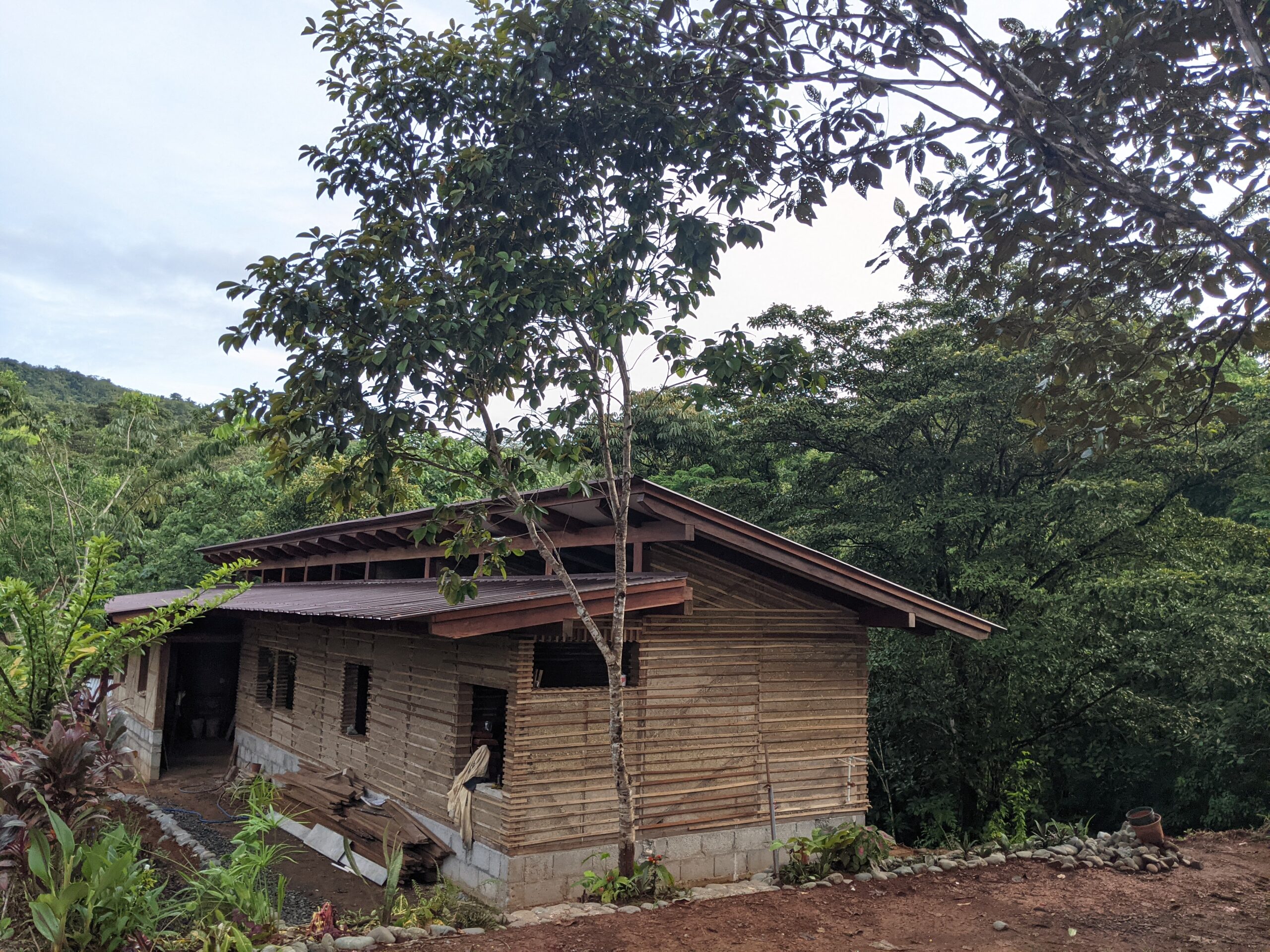
Casa Nance was designed and built as a home deeply connected to its tropical surroundings and the way we wanted to live.
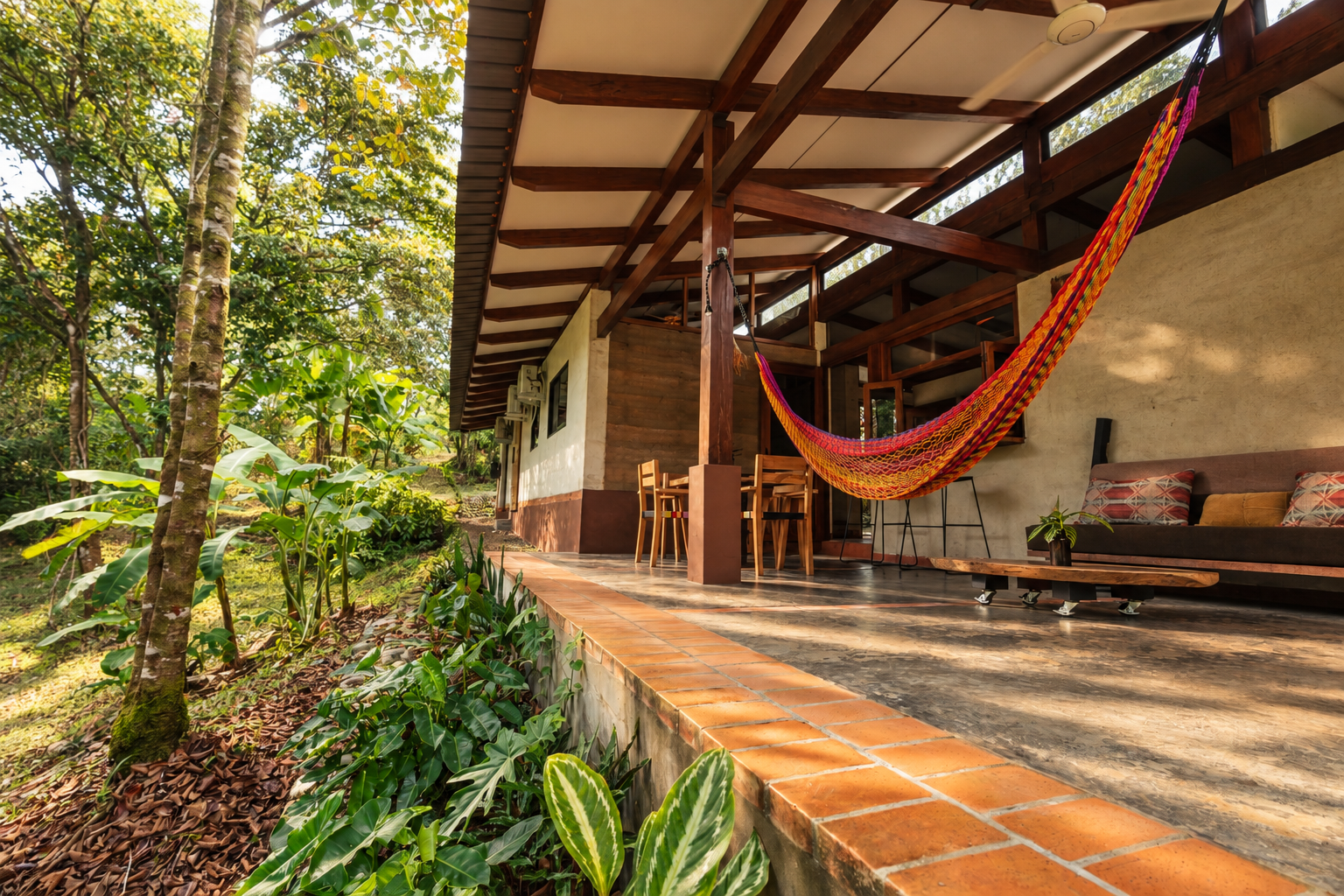
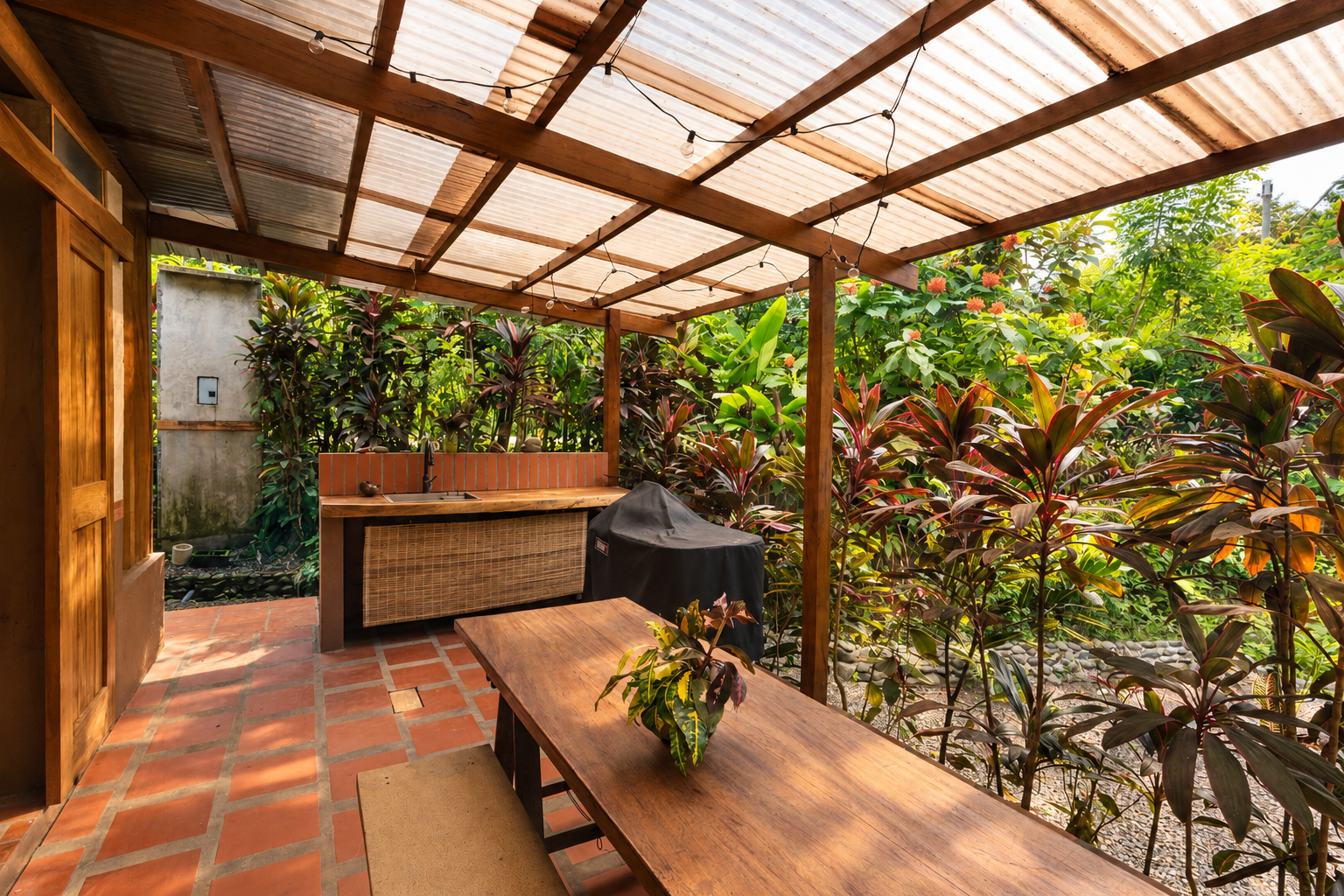
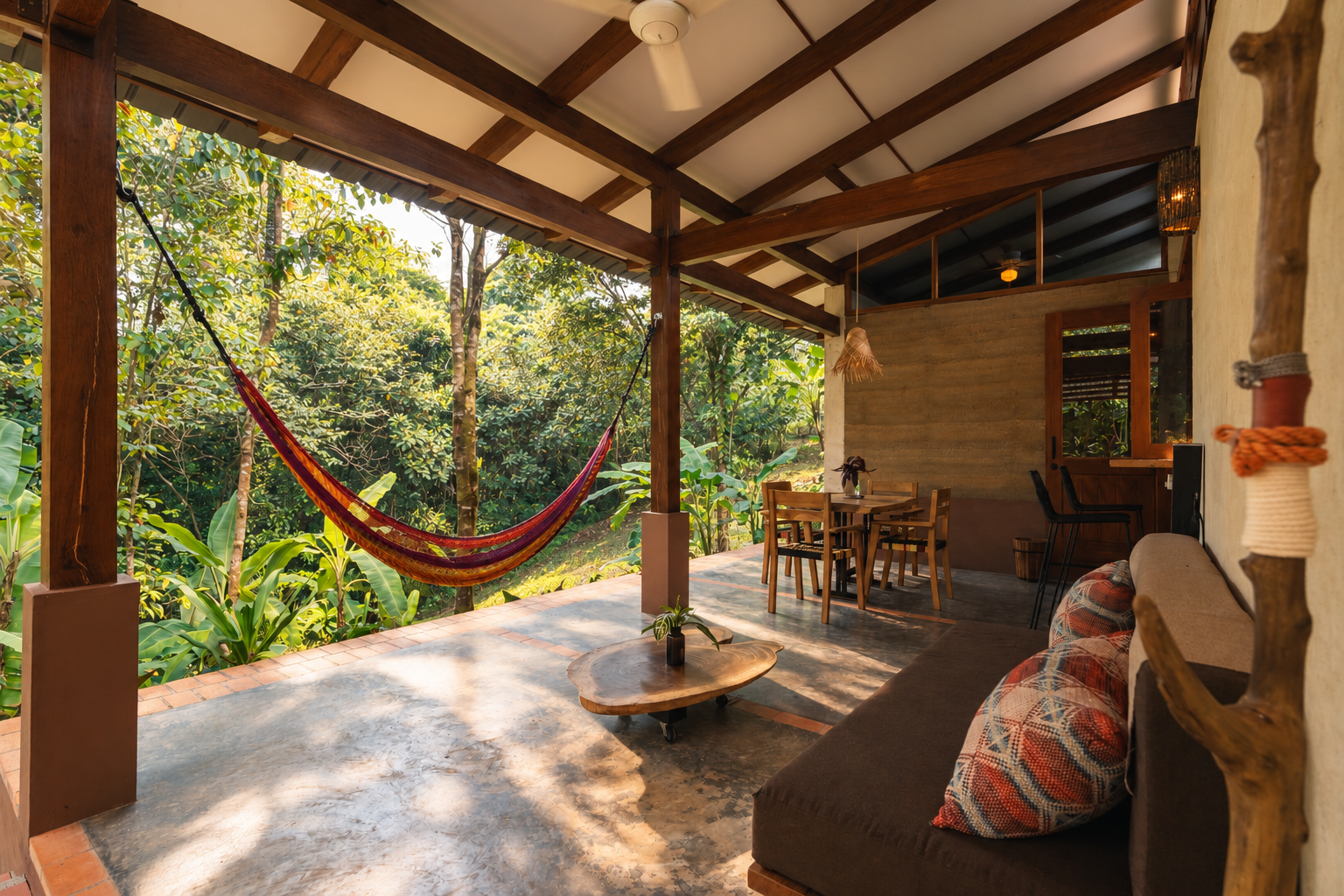
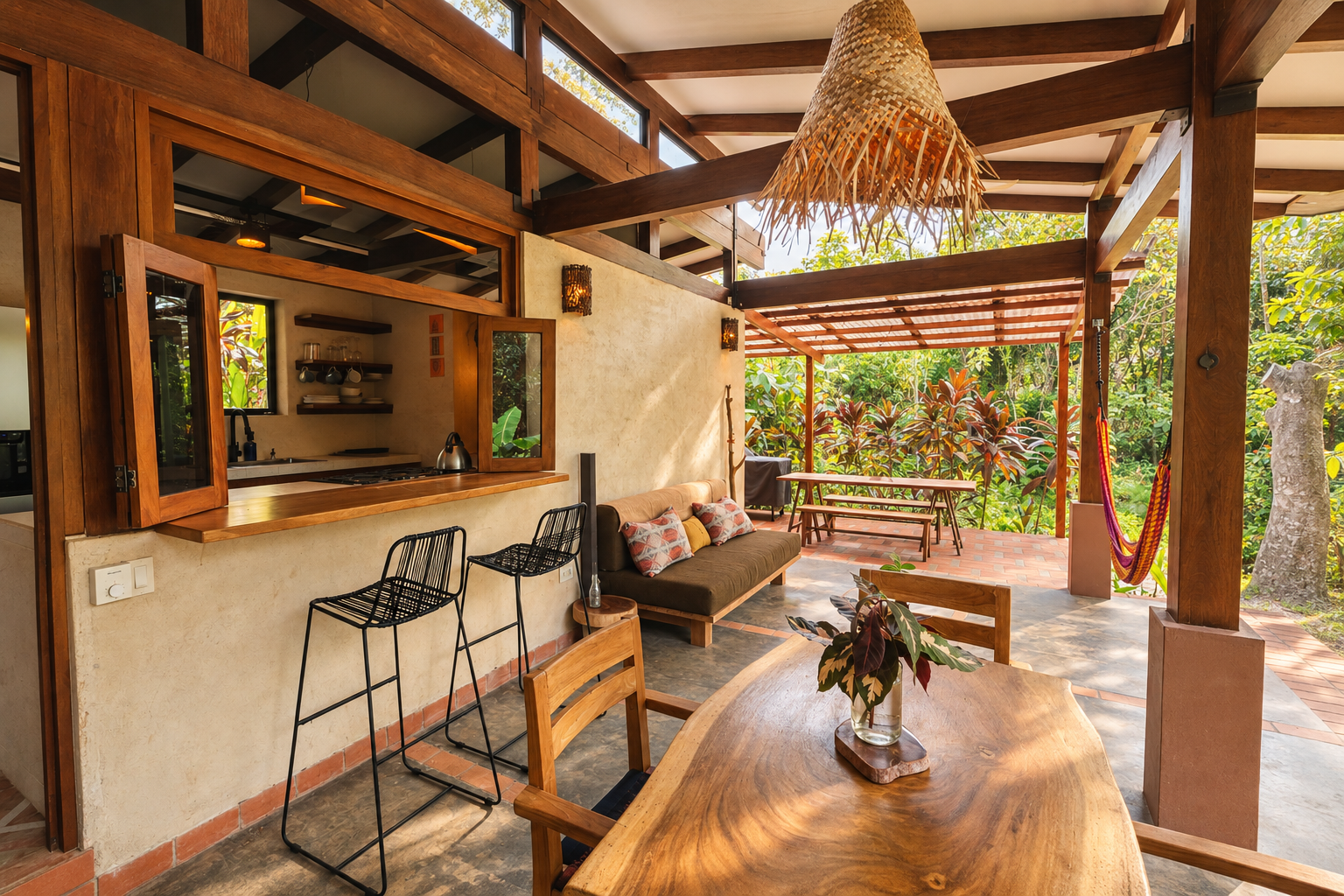
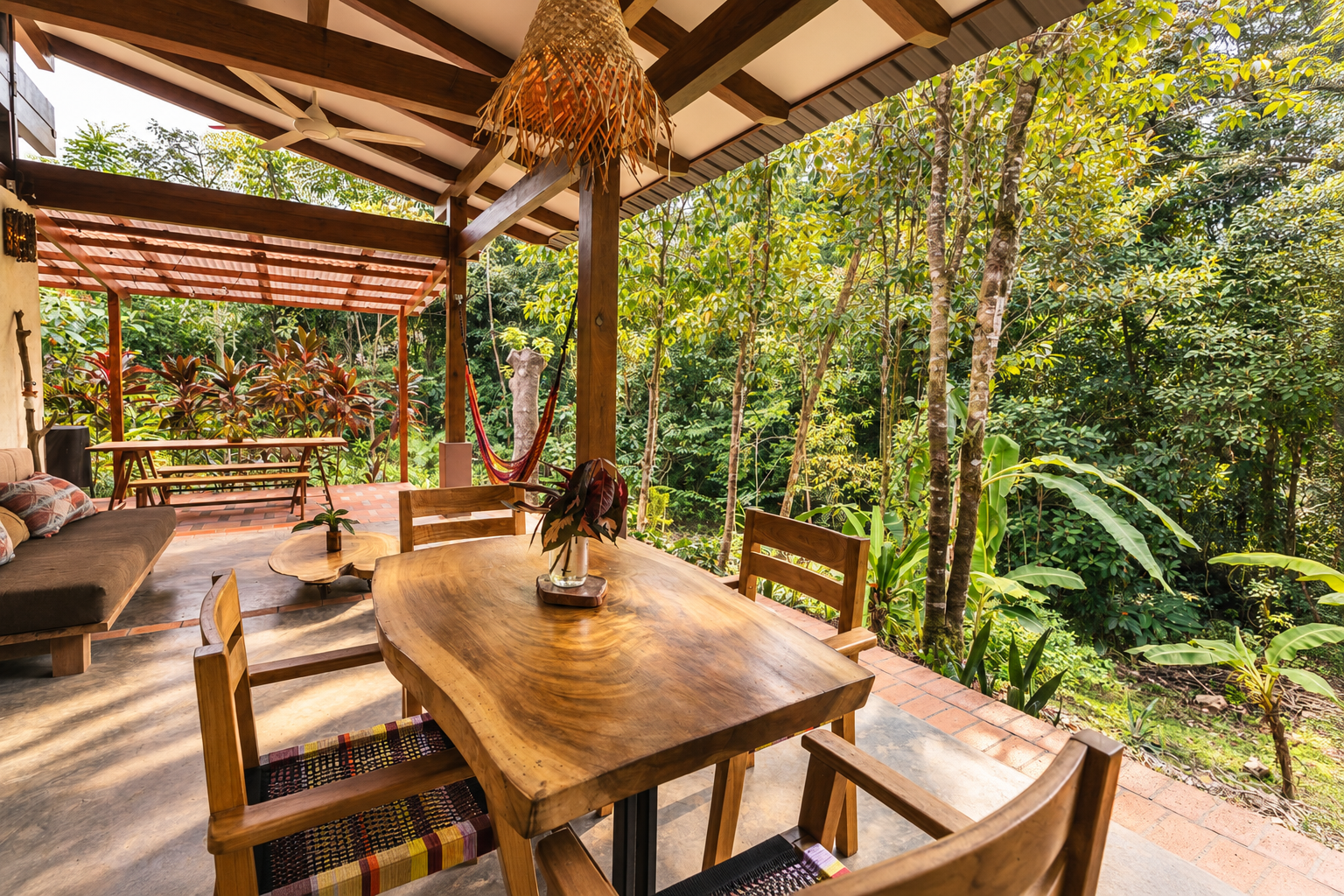
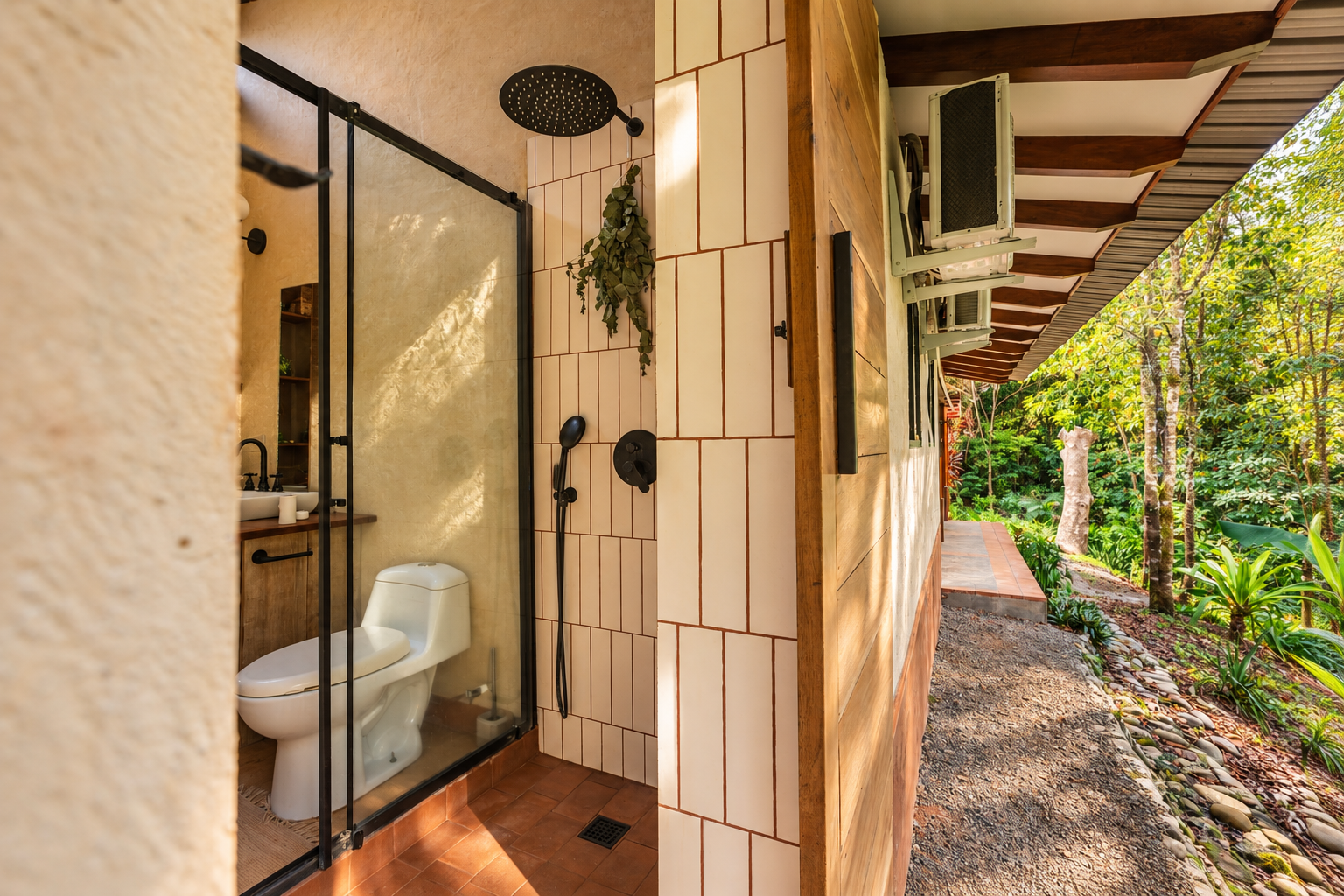
The idea was to create simple, open spaces that breathe naturally, with generous connections between indoors and outdoors, and materials that feel at home in this landscape.
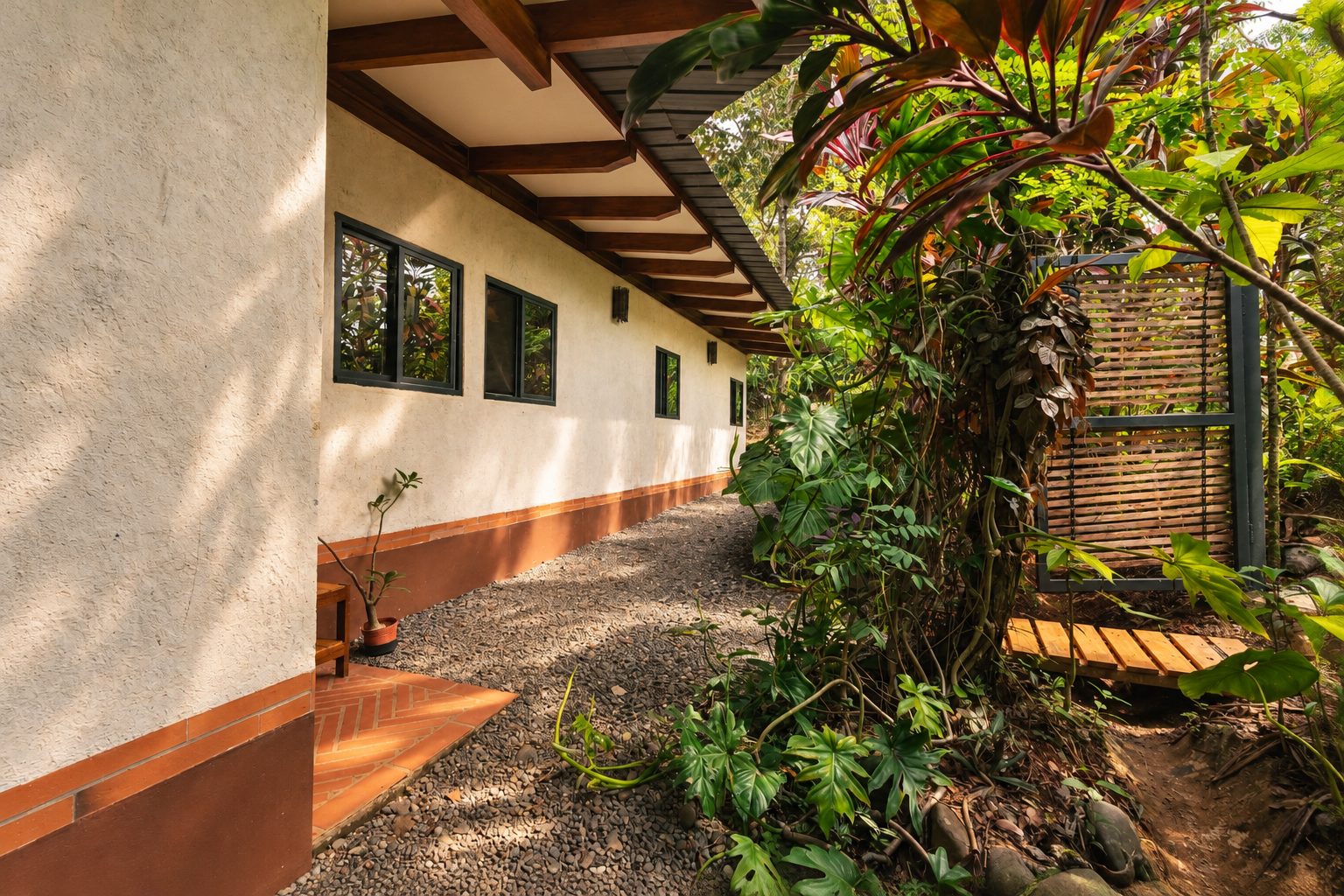
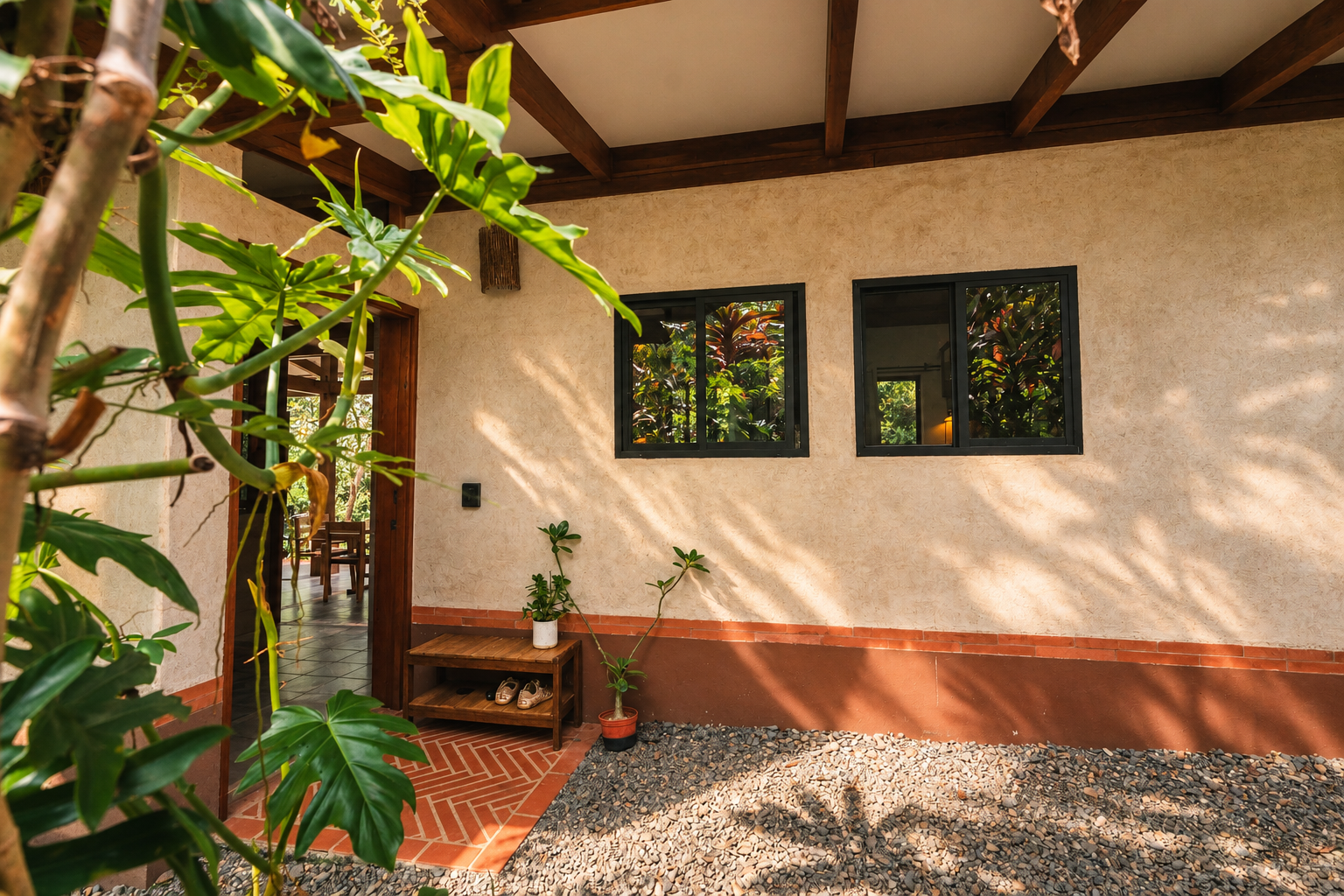
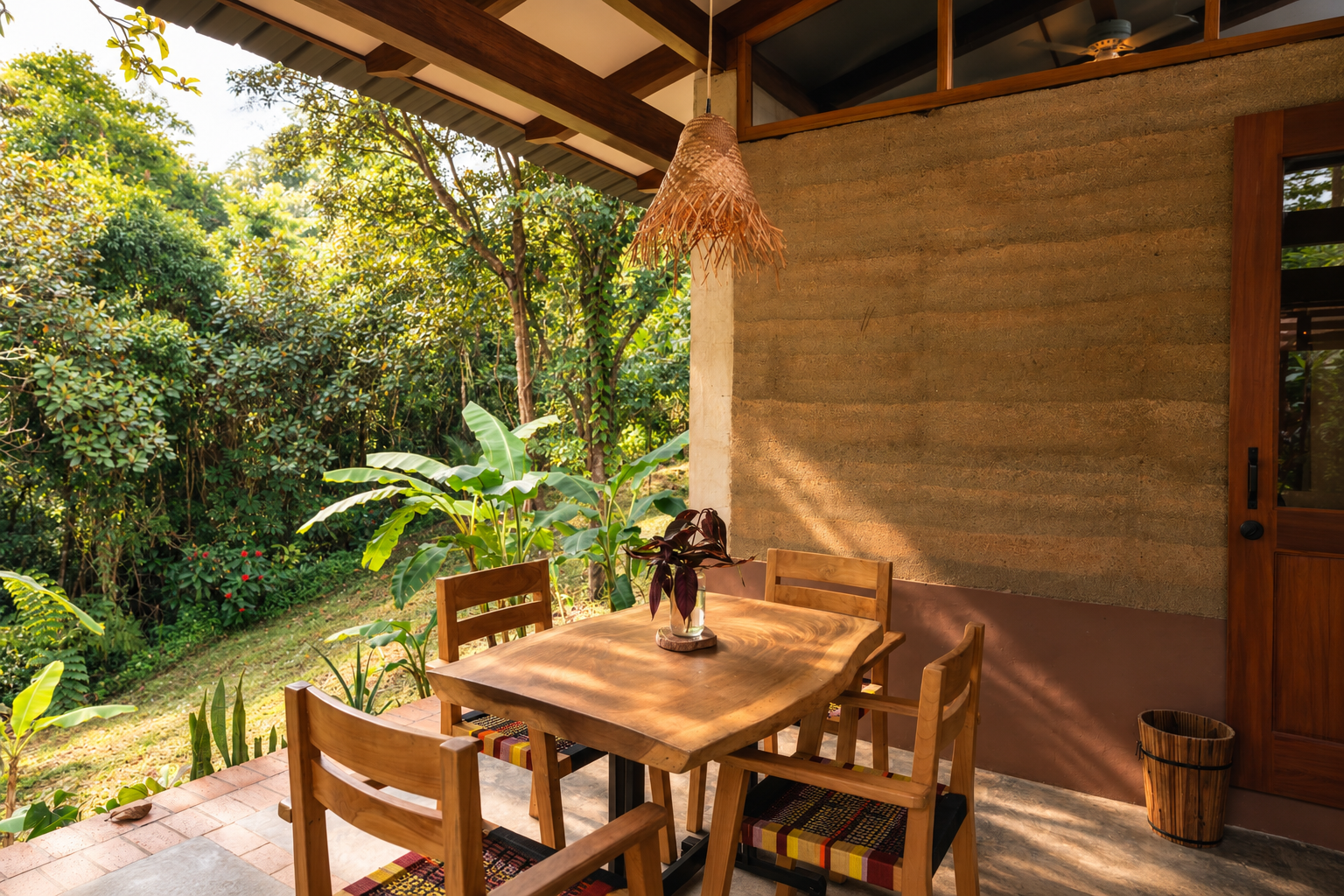
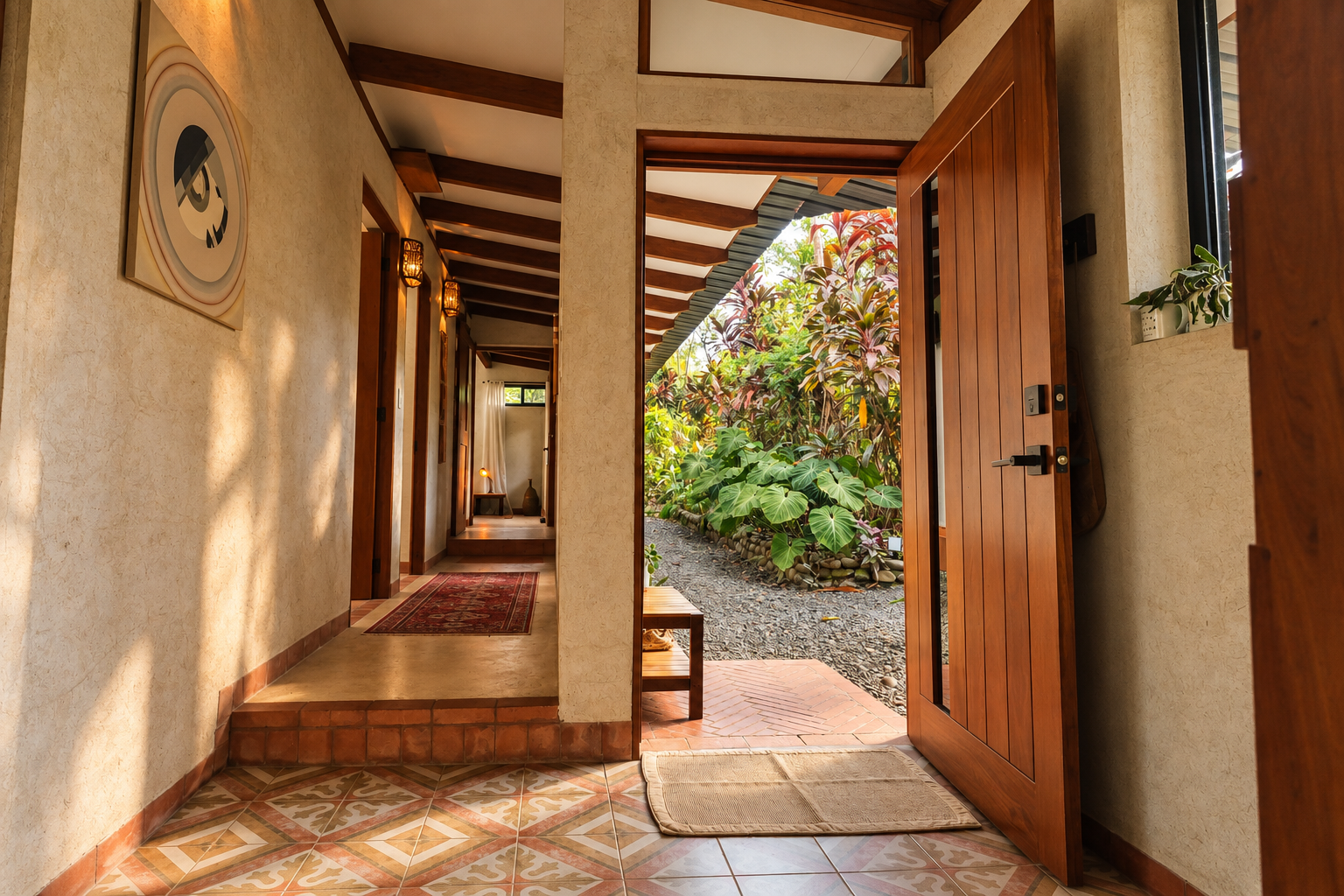
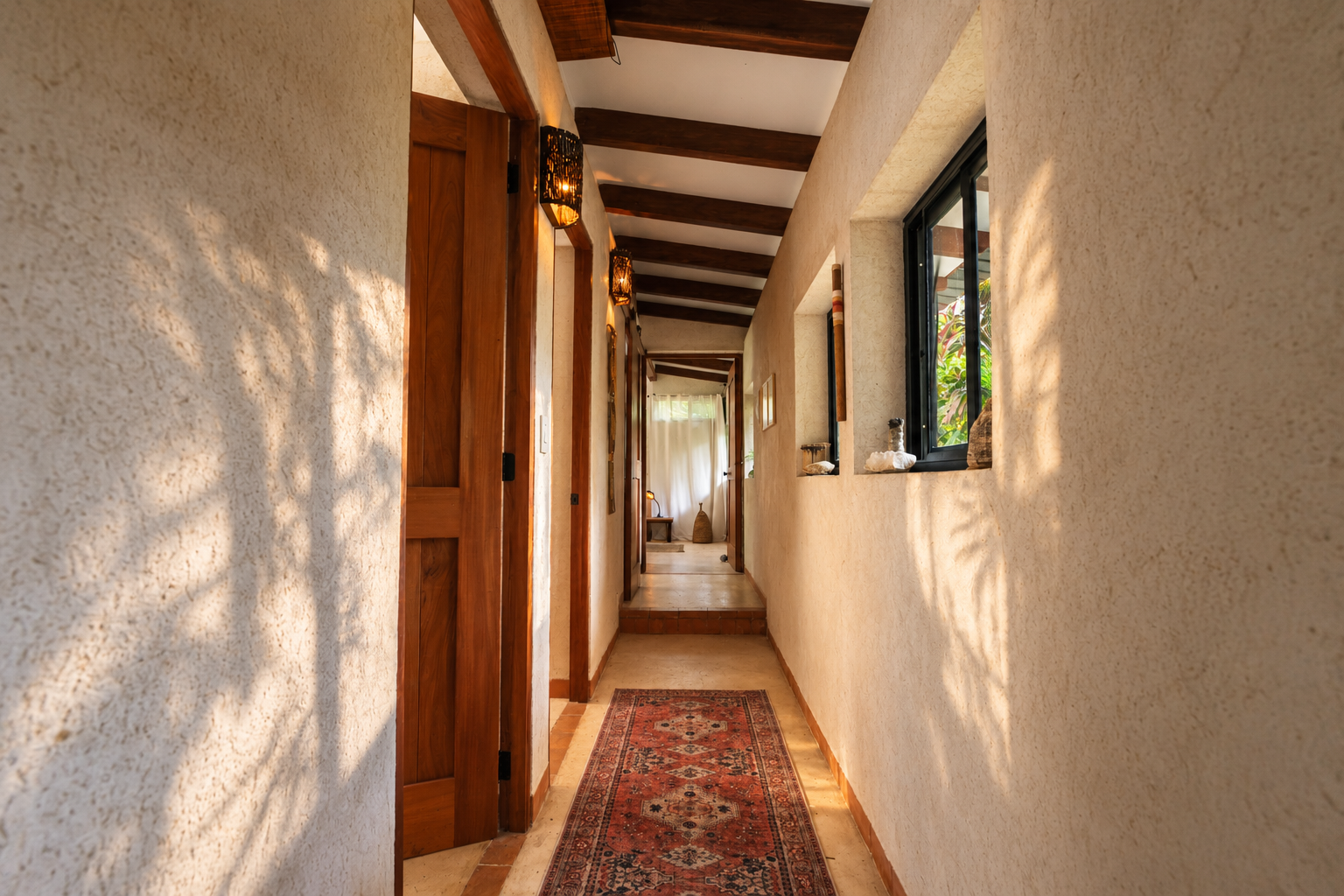
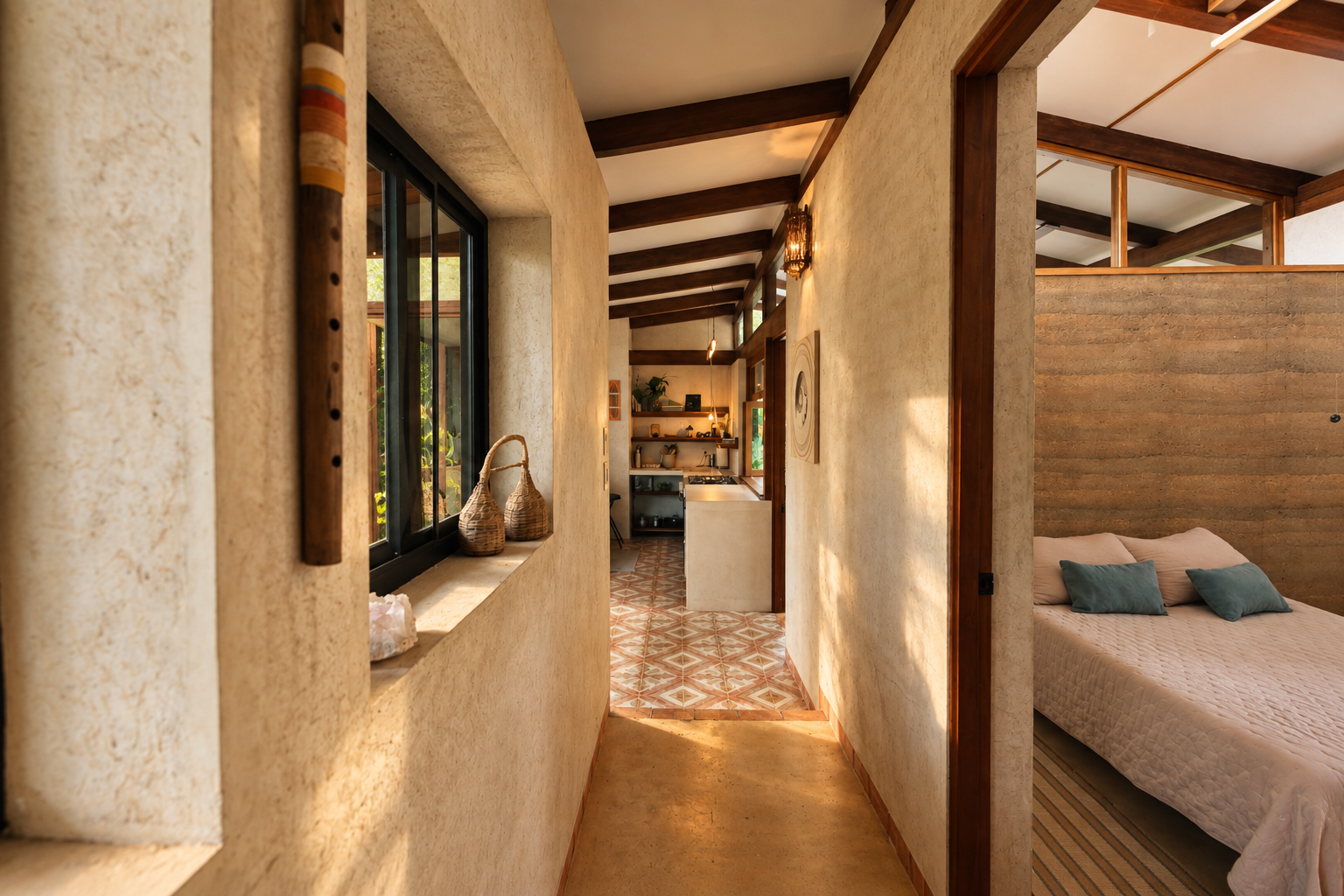
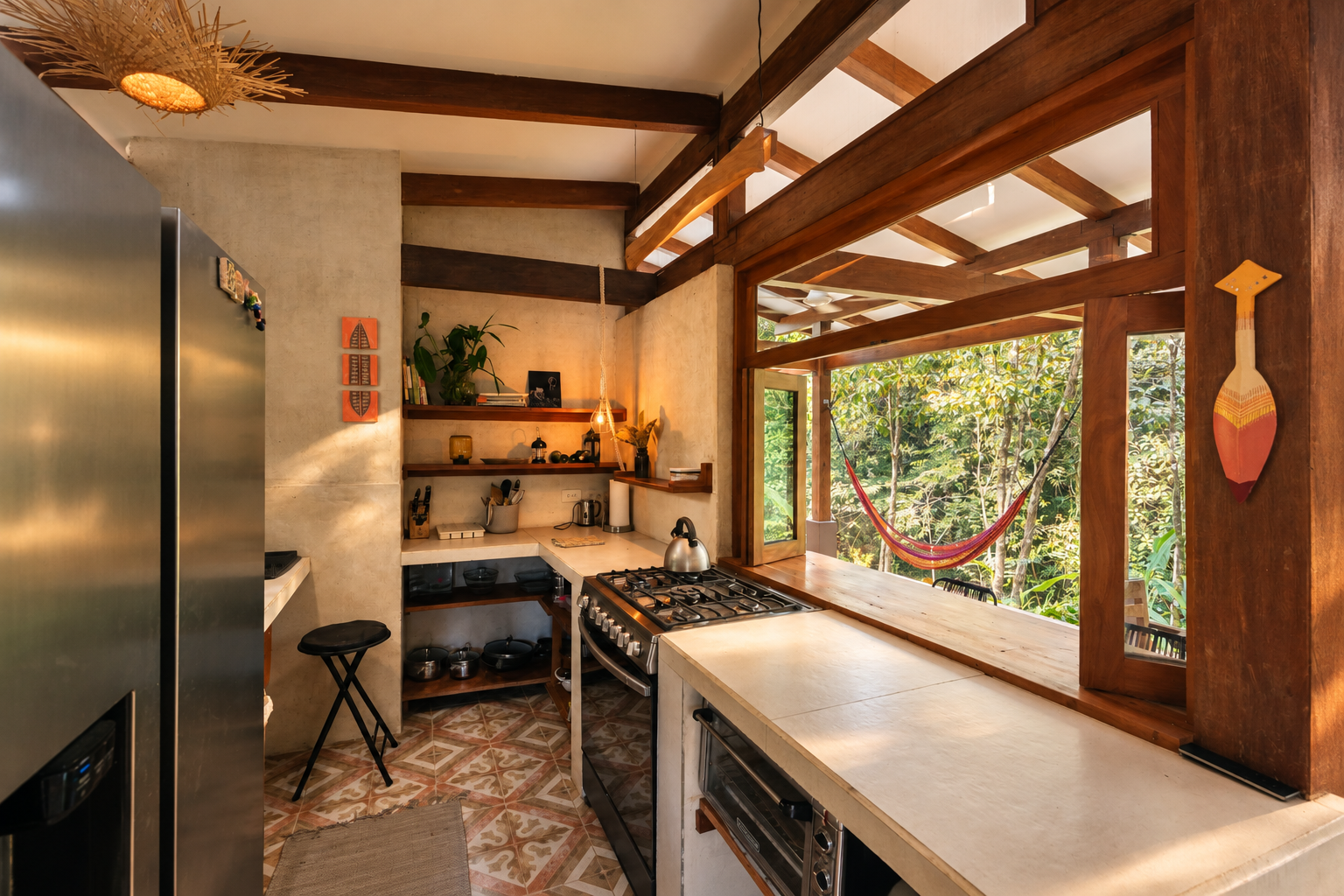
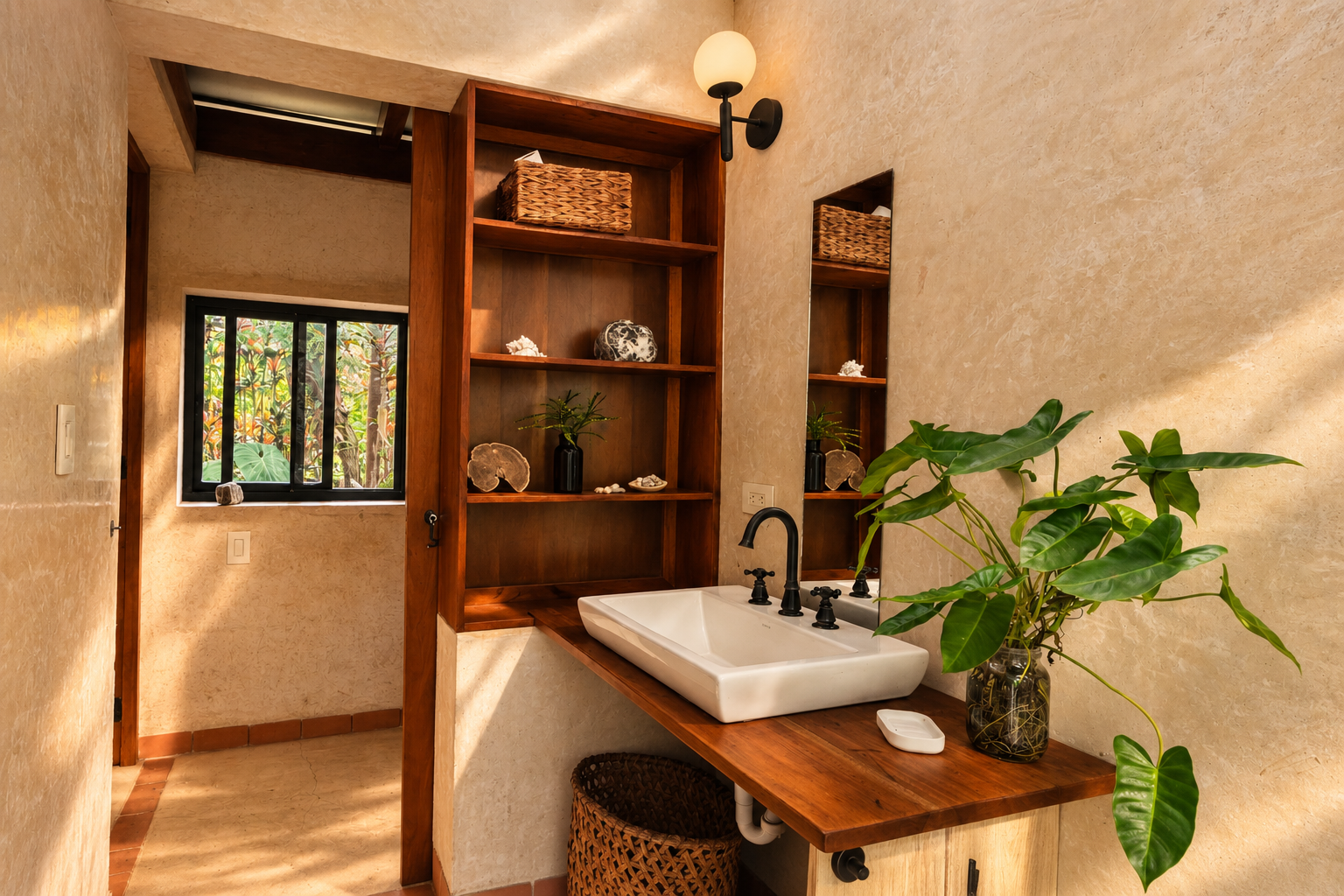
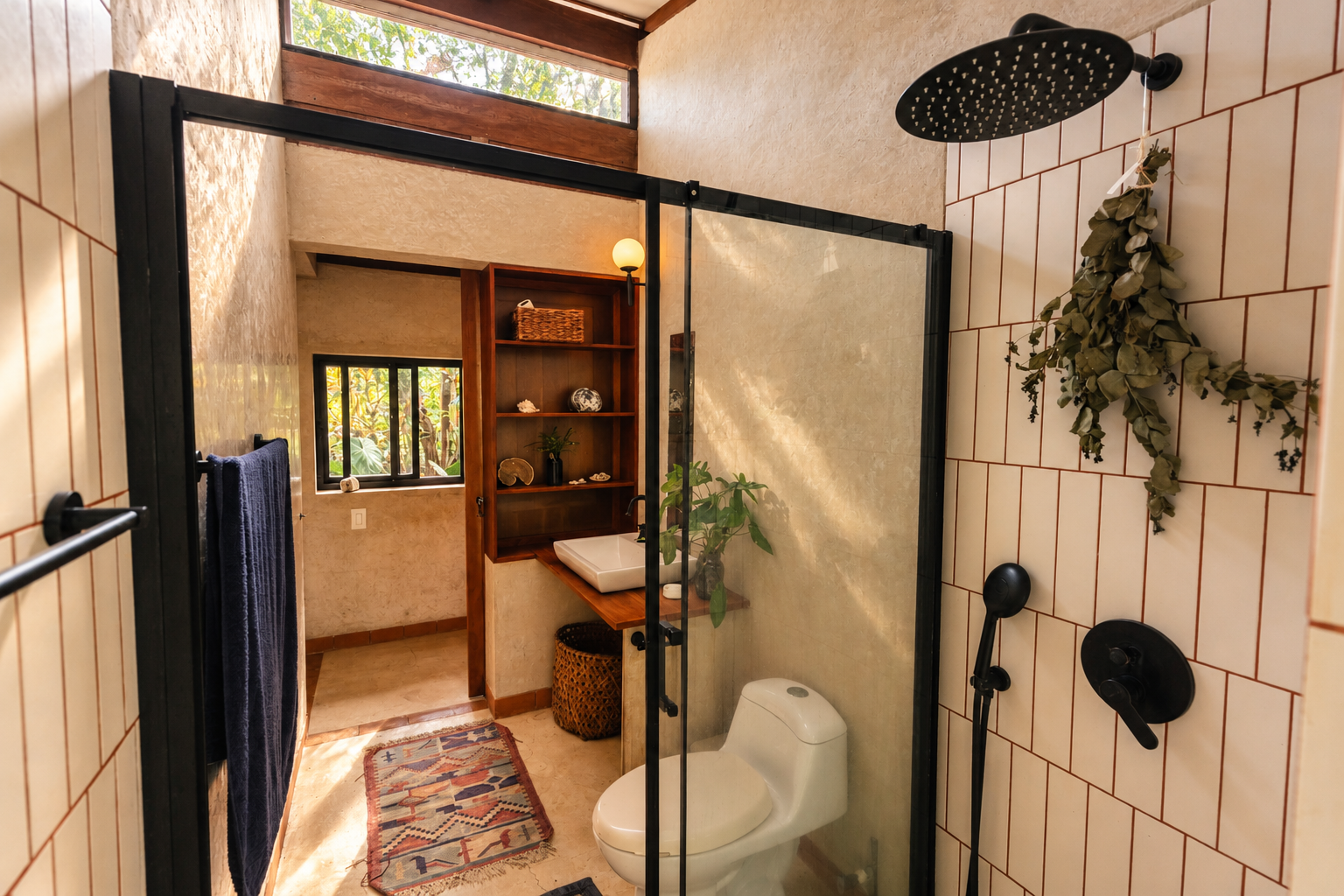
Built with the help of local craftsmen, the house combines tropical hardwoods, limestone, earth and natural finishes. Each material was chosen for its character, availability and the way it ages over time.
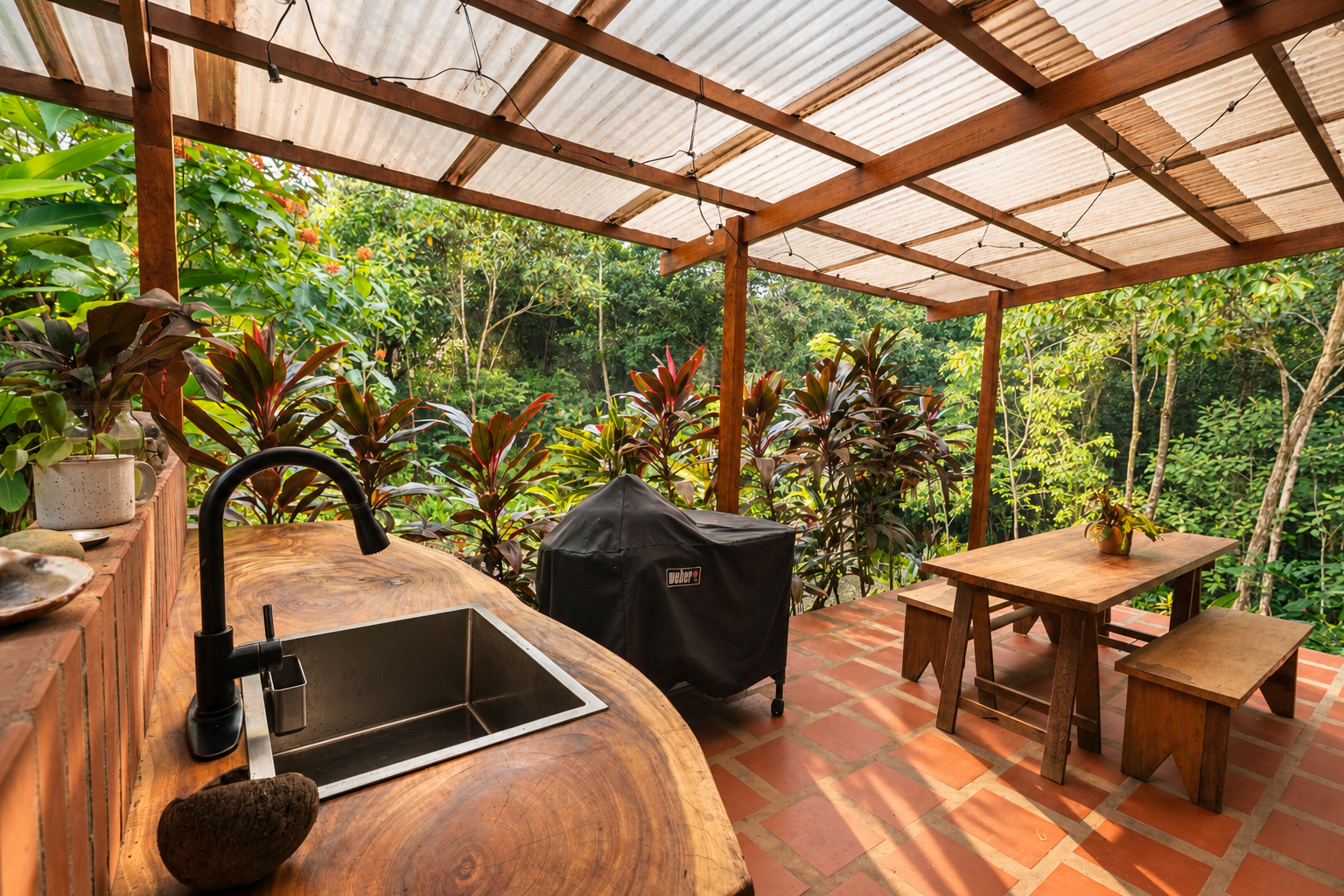
High ceilings, natural ventilation and shaded outdoor spaces respond to the tropical climate, while the interiors embrace simplicity, texture and the warmth of handmade details.
Casa Nance is a personal exploration of what it means to build and live in the tropics — working with the climate, the land and the materials around us, rather than against them.
Interiors & Furniture
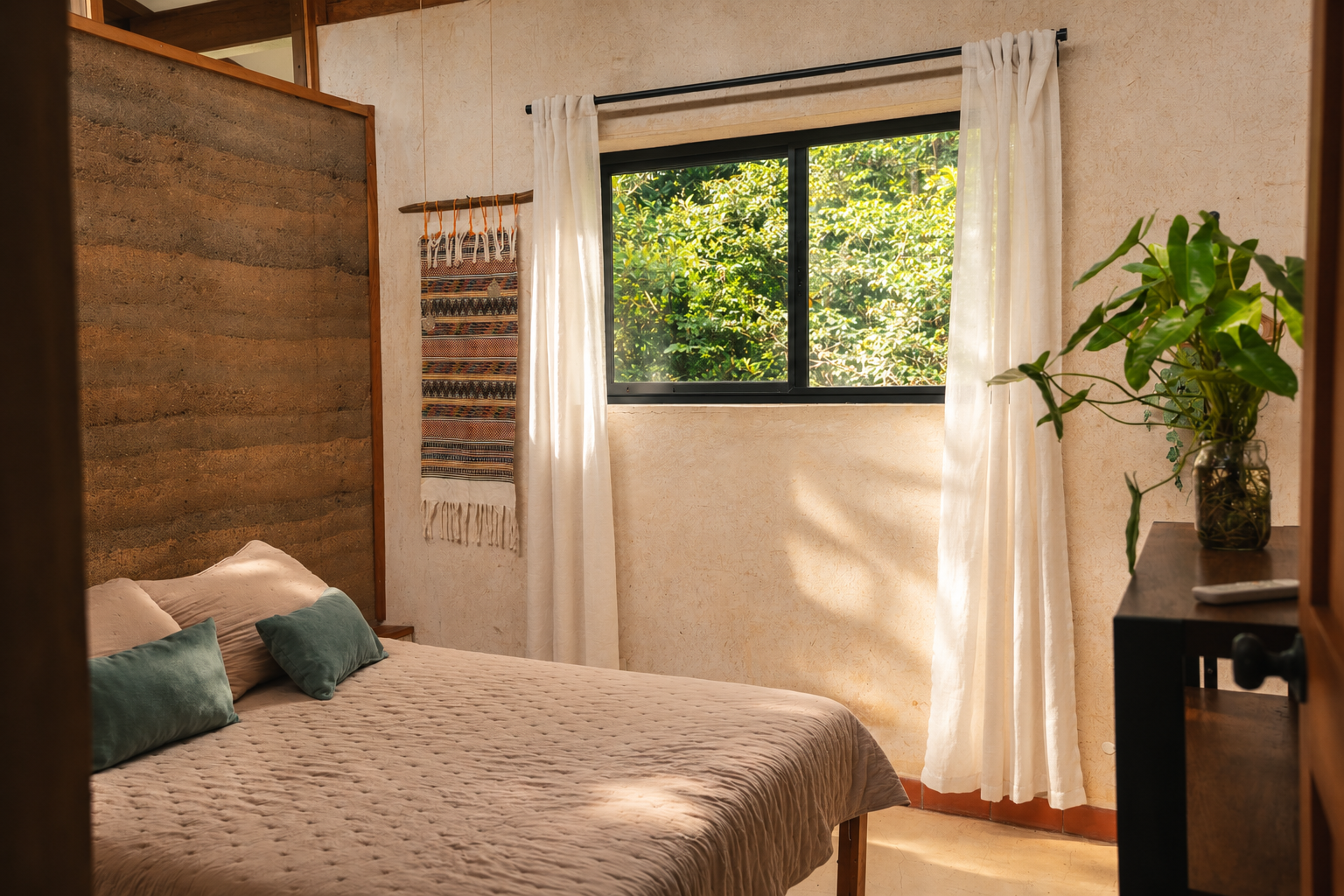
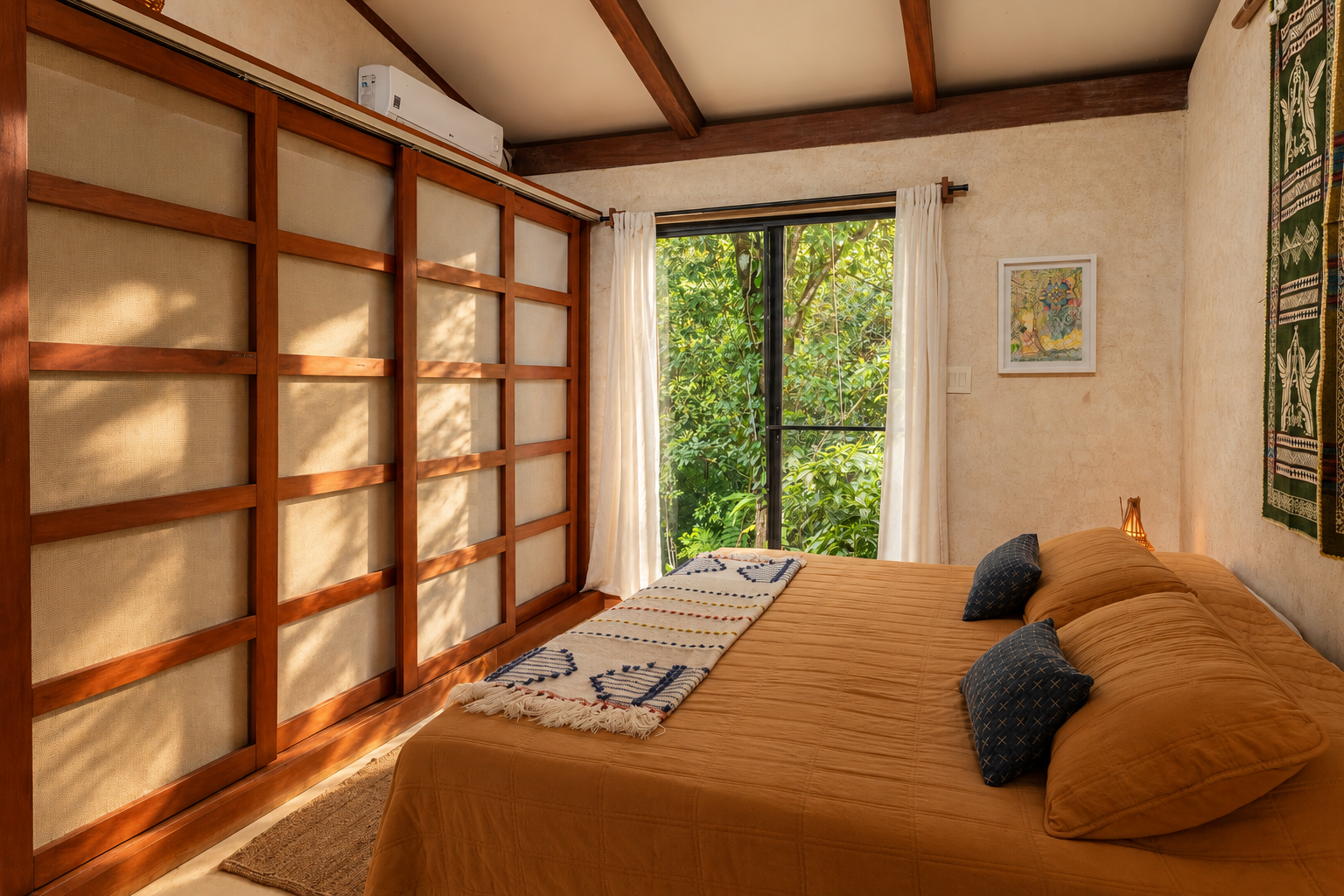
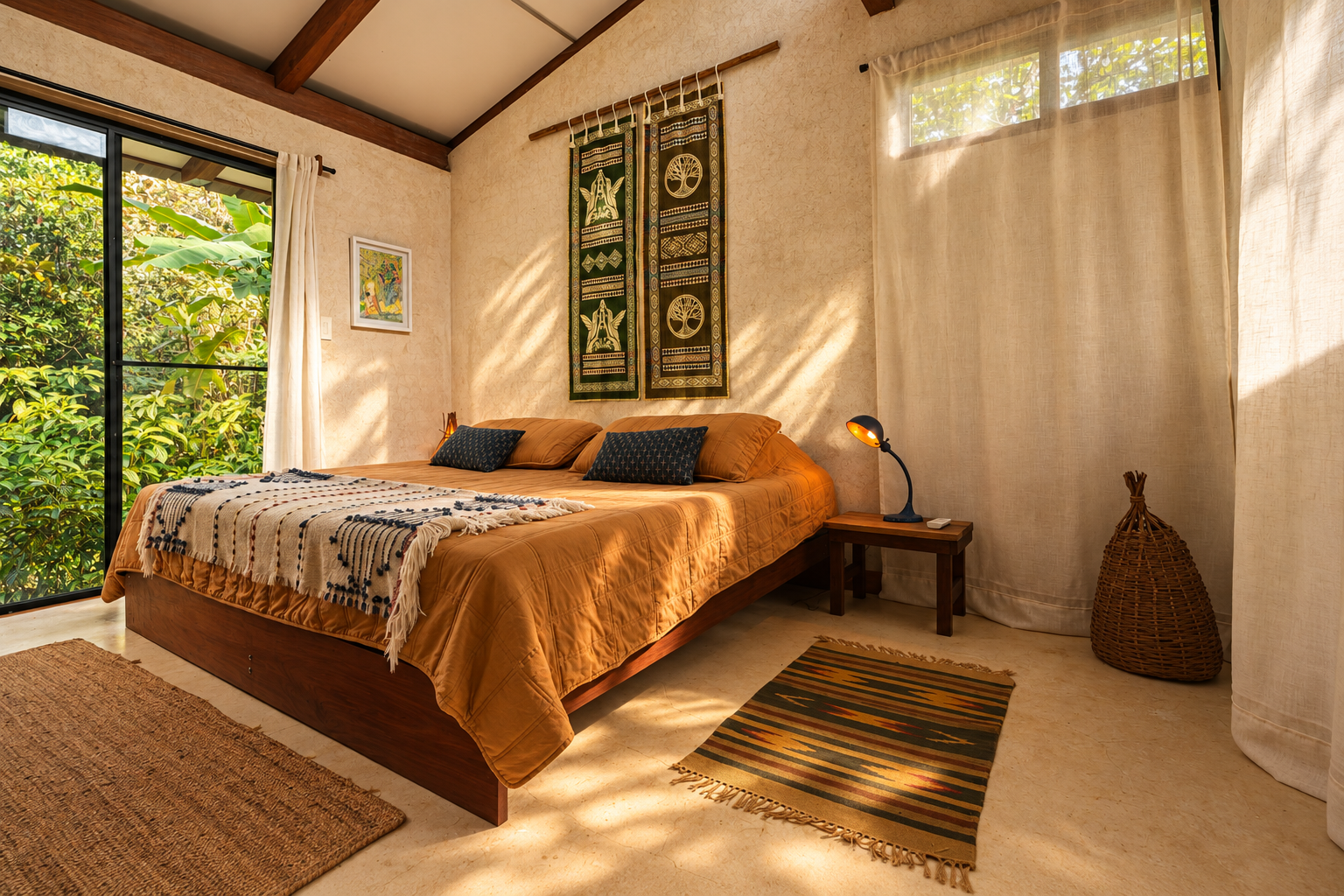
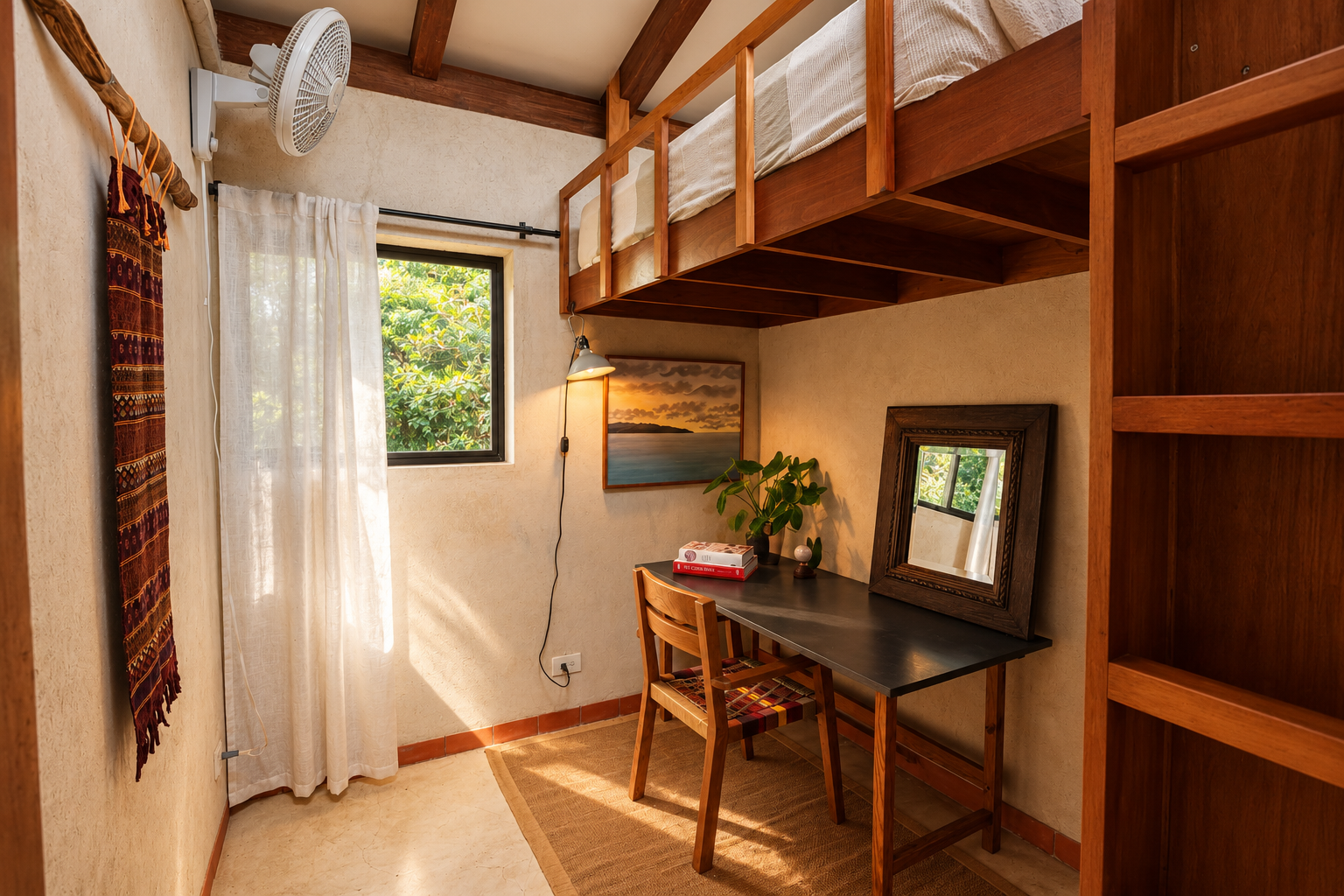
The interiors of Casa Nance came together gradually, with a mix of handmade furniture, natural materials and personal touches.
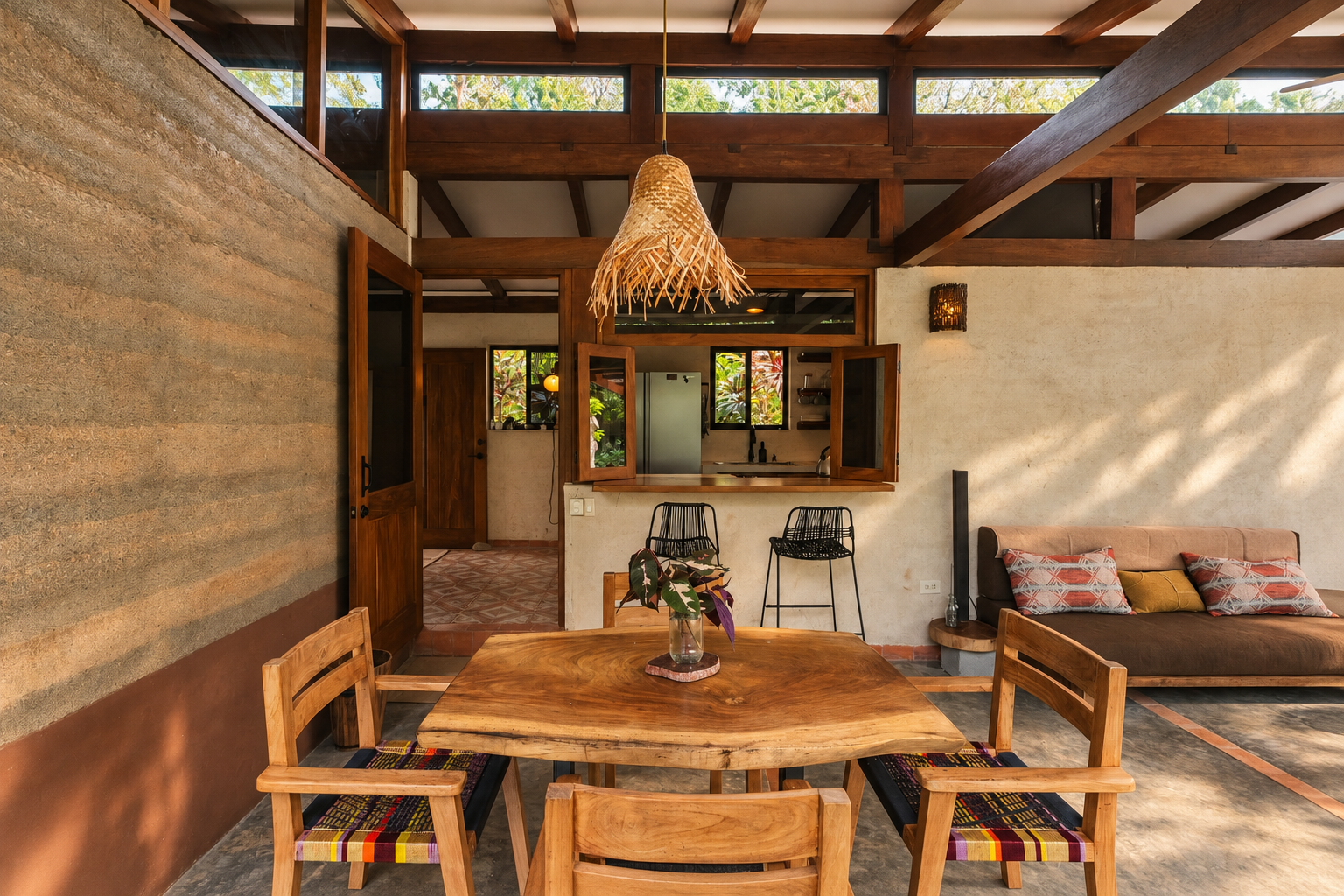
Working with a local woodworker, we created furniture for the house, including woven chairs for the living room that I took part in making myself. Artwork on the walls, fabrics and handmade sofa cushions brought color, texture and personality into the spaces.
The idea was never to have a perfectly decorated house, but a home that felt natural, comfortable and connected to the way we live.
Building the house
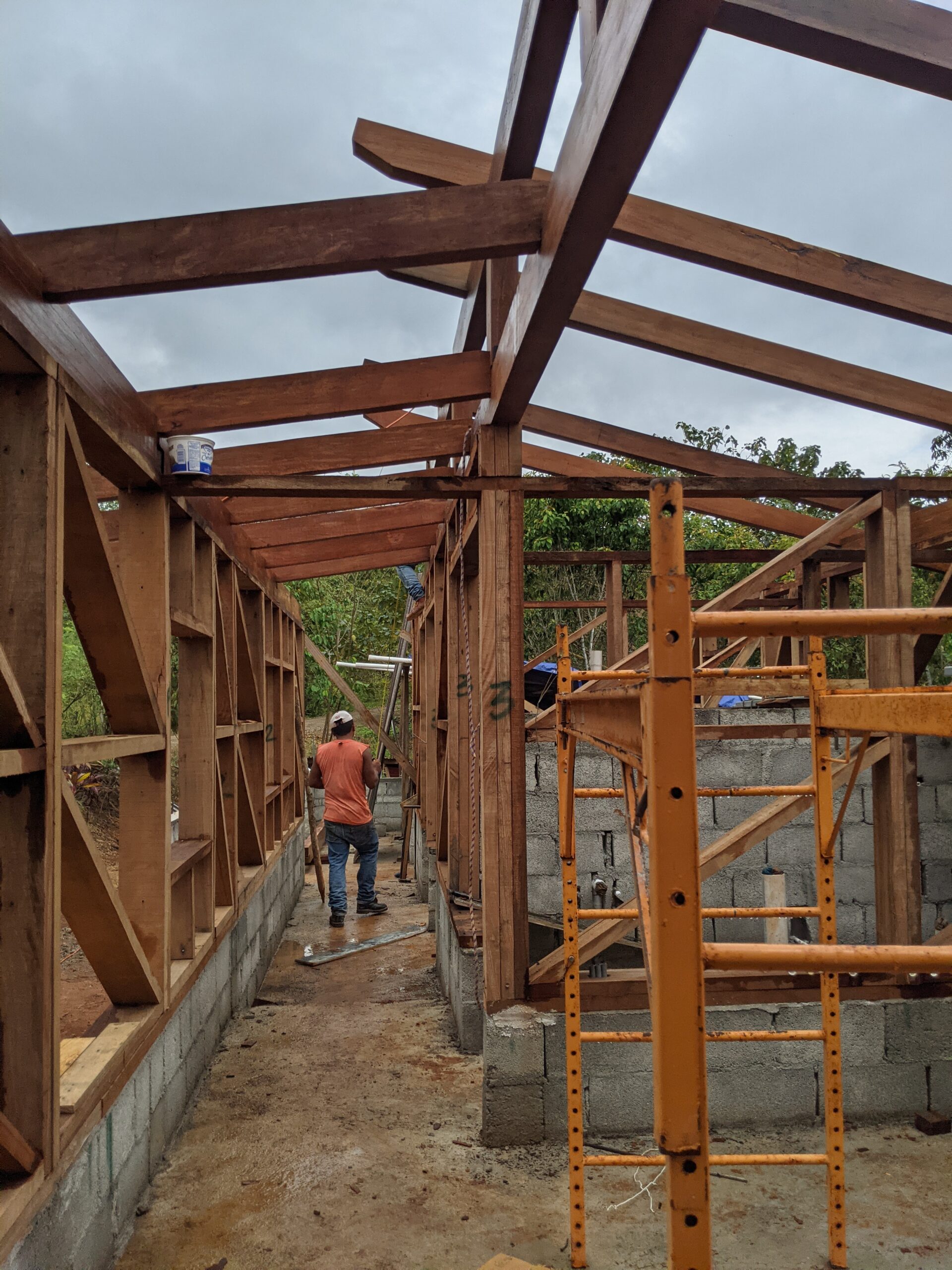
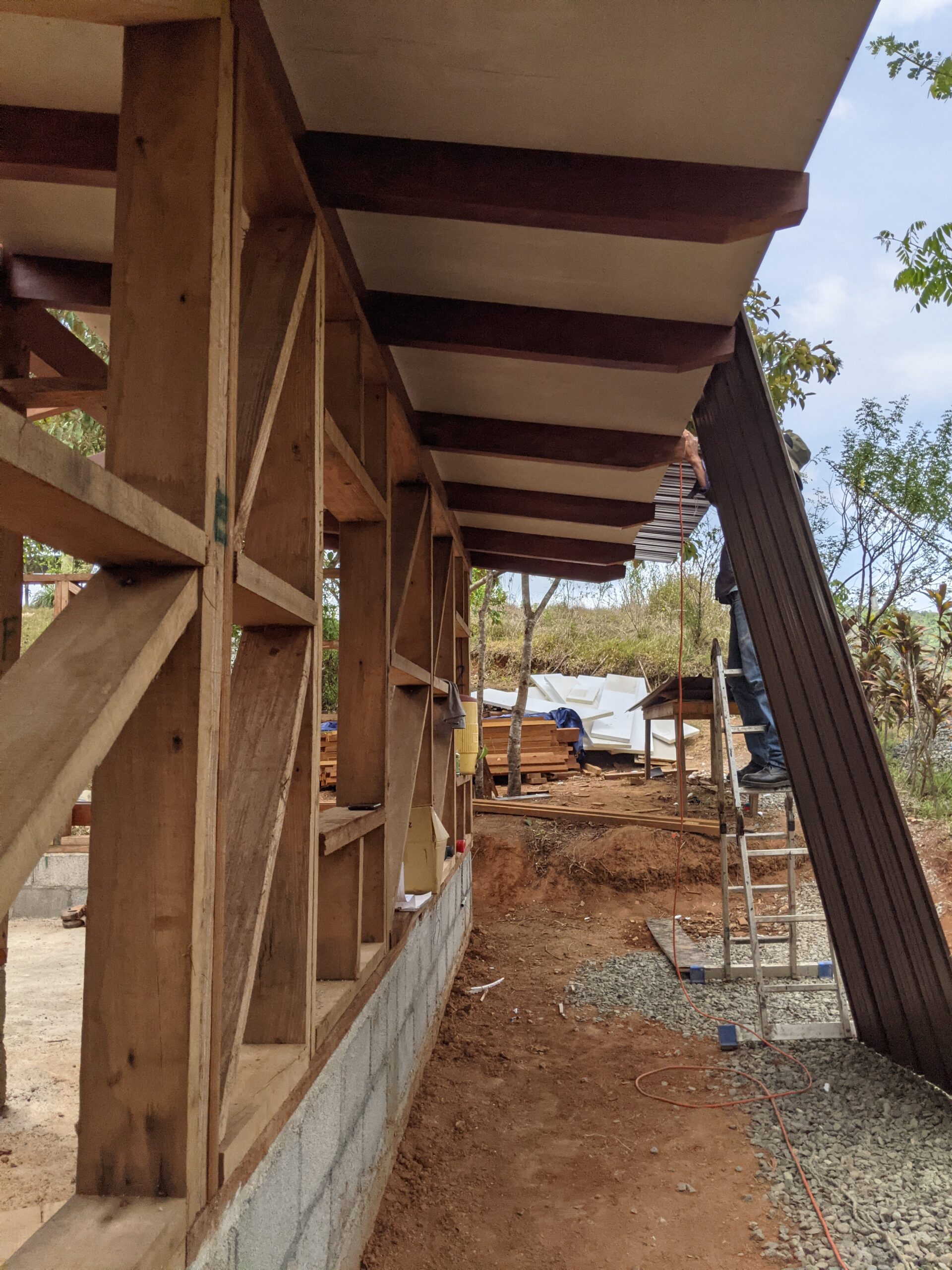
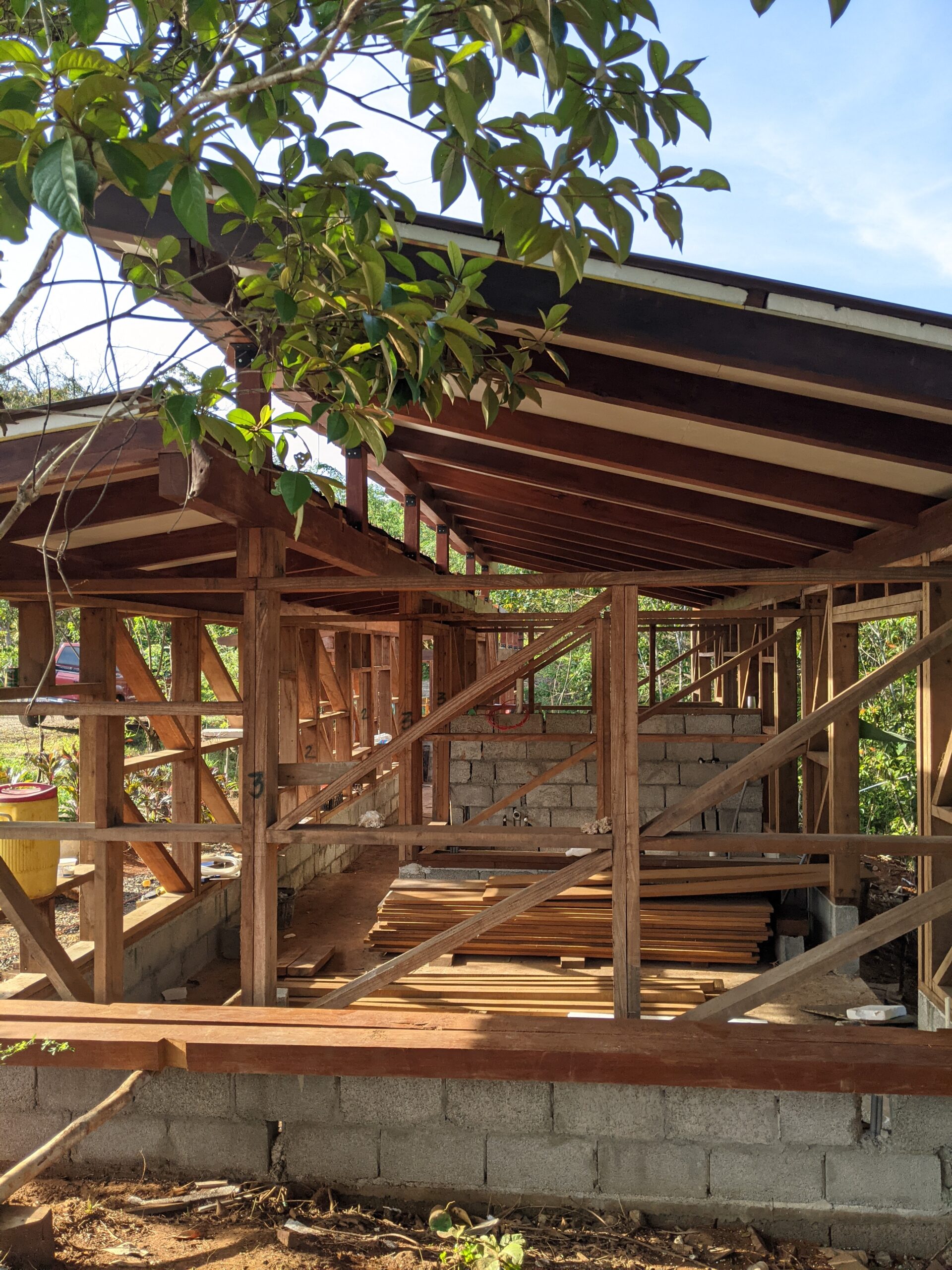
Building Casa Nance was a hands-on process of exploring natural materials, traditional techniques and what was available locally.
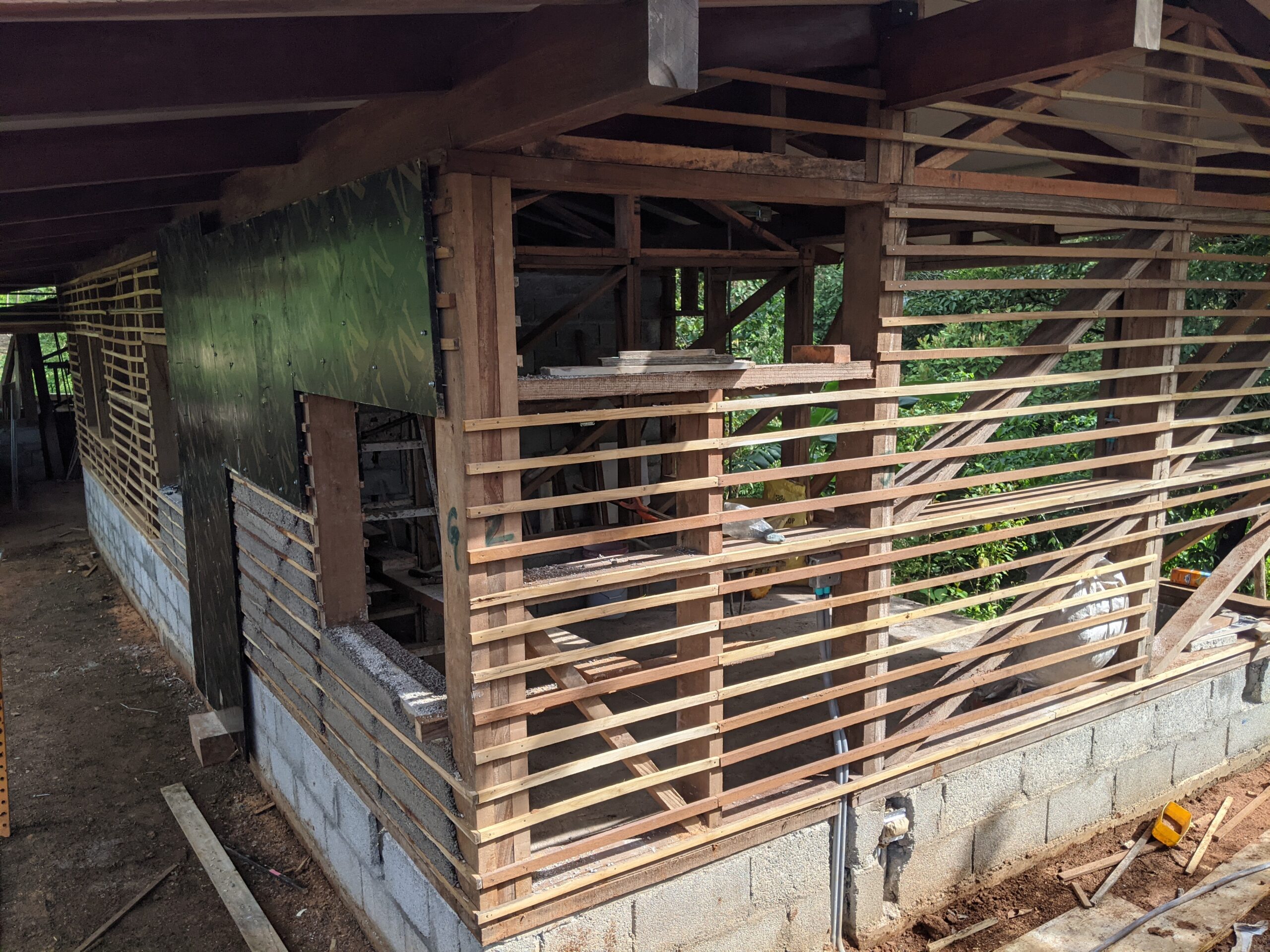
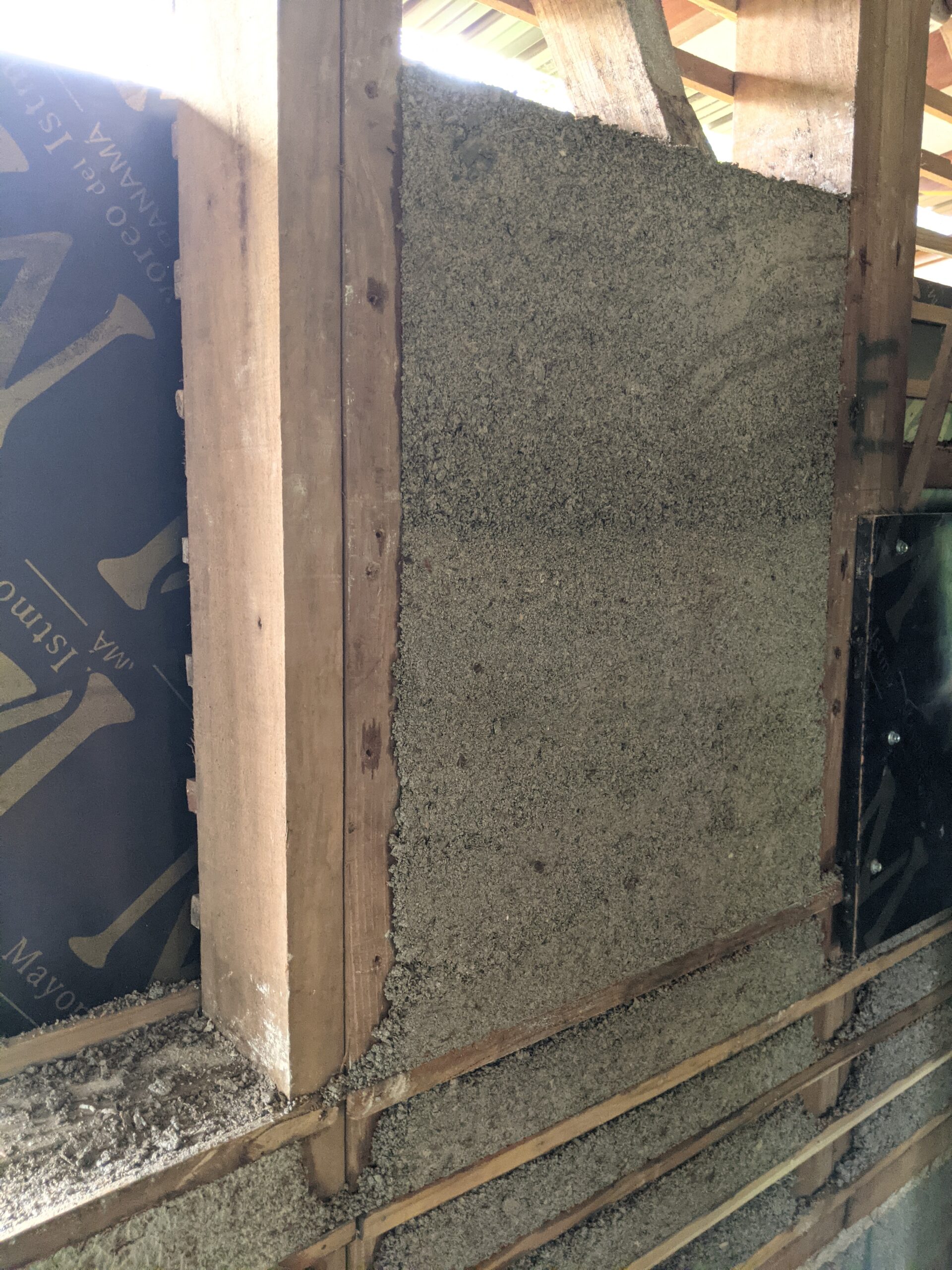
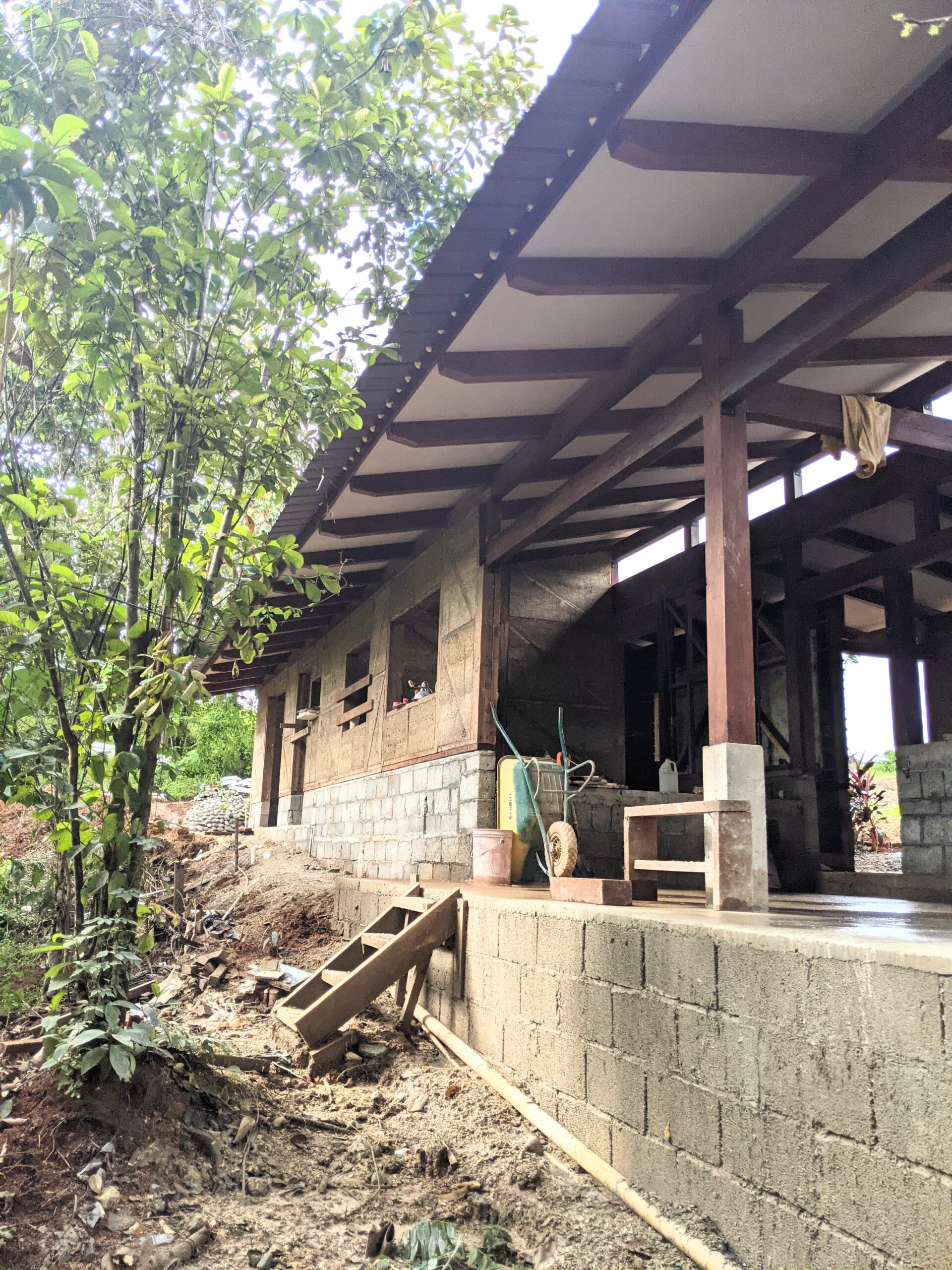
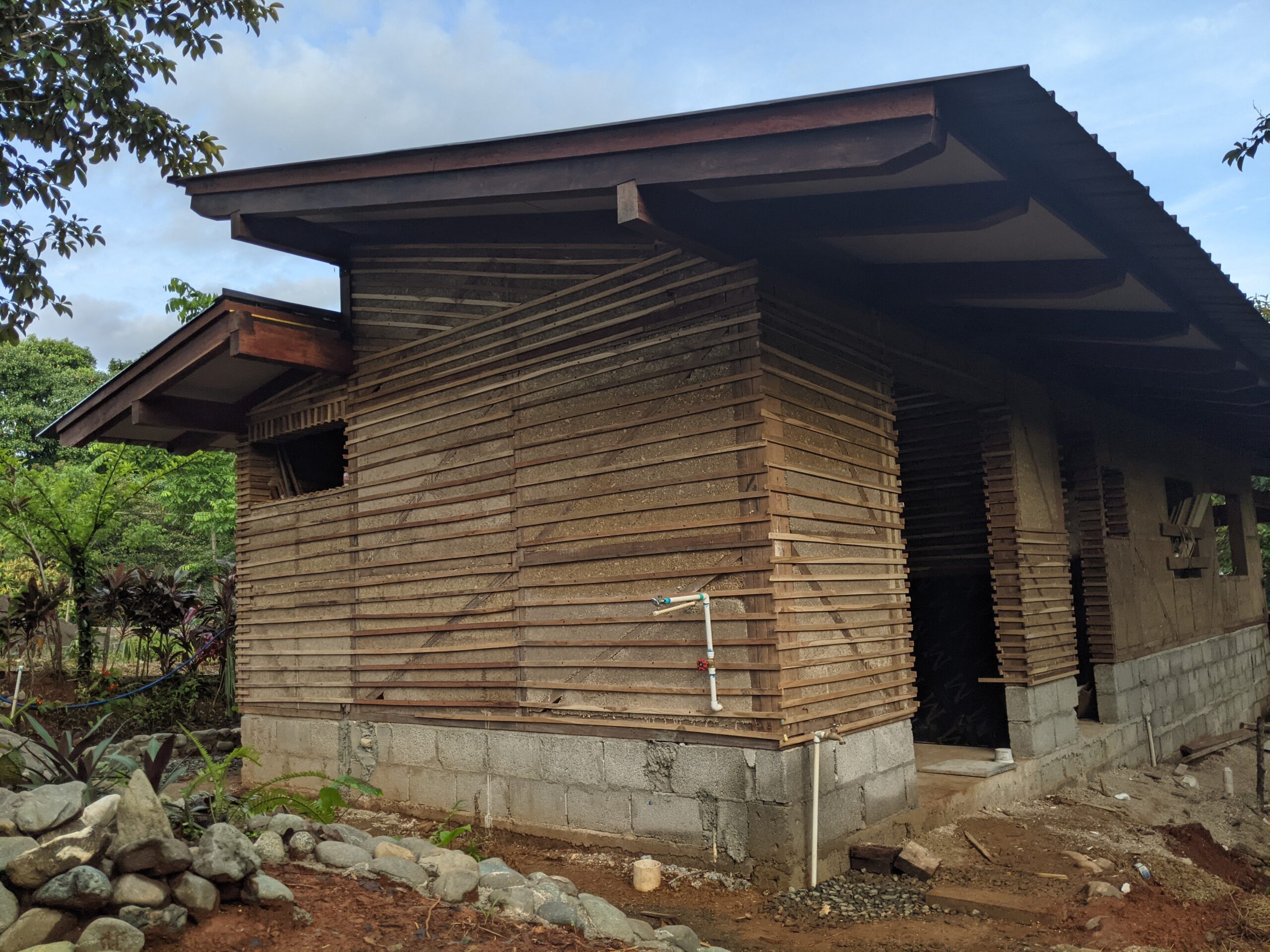
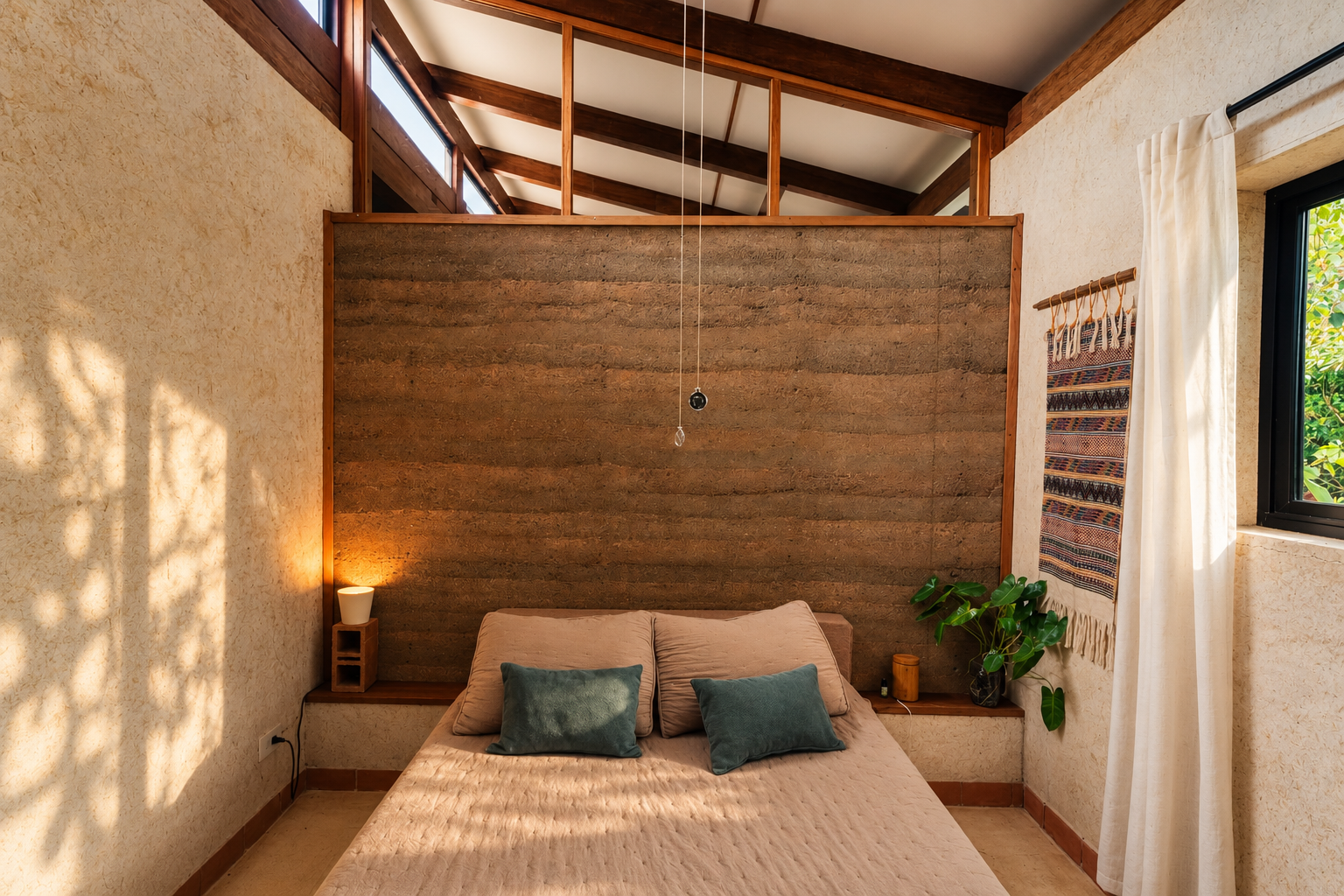
Working alongside local builders and craftsmen, we combined concrete foundations with a timber structure, using tropical hardwoods for the main beams and roof. The walls were built with a timber framework and filled with a mixture of limestone, sand, wood chips and natural fibers — our own interpretation of a traditional quincha system.
We also experimented with rammed earth, bringing different techniques together within the same house.
Much of the process involved learning by doing, adapting details along the way and finding simple solutions that made sense for our climate, resources and way of building.
More than following a conventional construction system, Casa Nance became an opportunity to explore how natural materials and local knowledge can come together to create a home.